In a strategic push to fortify food security and stimulate economic recovery in the nation’s most vulnerable regions, the Peruvian Ministry of Agrarian Development and Irrigation (MIDAGRI) has reached a significant milestone. Through the "Sierra Azul" program, the government has successfully executed 19 water infrastructure projects, providing a vital lifeline to high-altitude rural communities. This initiative, which focuses on the construction of dams and qochas (traditional infiltration reservoirs), has generated over 8,500 temporary jobs, injecting over S/ 3.8 million directly into the pockets of families in Puno, Cusco, Ayacucho, Moquegua, and Junín.
As the country faces the compounding challenges of climate change and economic volatility, these projects represent a dual victory: the creation of essential hydraulic infrastructure to combat droughts and the implementation of a social welfare mechanism that empowers local communities through gainful employment.
Main Facts: A Dual-Purpose Hydraulic Strategy
The core objective of the Sierra Azul program is to improve the management of water resources in the Andean highlands. By building small-scale, high-impact infrastructure, the program ensures that water remains available during the dry season, providing a safety net for local agriculture and livestock.
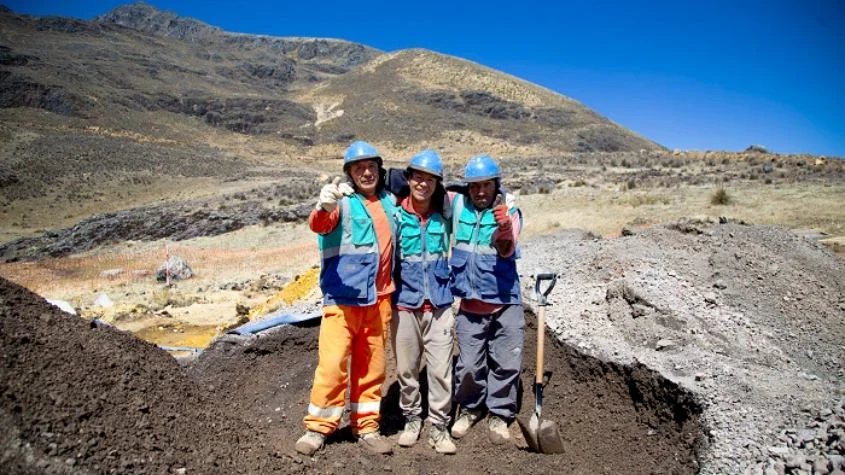
The scope of the current investment is significant. With an initial disbursement of S/ 3.84 million dedicated solely to labor costs, the program is not merely building structures—it is building the resilience of rural households. Each worker involved in these projects receives an average salary of S/ 1,500, a figure that, while modest, serves as a transformative financial injection in communities where formal employment opportunities are historically scarce.
These interventions are spread across 33 districts, strategically selected for their high vulnerability to climate-induced water scarcity. By integrating traditional Andean wisdom—such as the construction of qochas—with modern engineering, the government aims to restore the natural hydrological cycle of the mountains, ensuring that rainwater is captured and allowed to infiltrate the soil to recharge local aquifers.

Chronology of Progress: From Planning to Execution
The success of the 2026 campaign is the result of months of meticulous planning and inter-institutional coordination between MIDAGRI, regional governments, and local water management boards.
- Q1 2026: Needs Assessment and Site Selection. Technical teams from the Sierra Azul fund conducted site visits across the southern and central Andes. Criteria for selection included soil porosity, community vulnerability, and the potential for long-term agricultural impact.
- Q2 2026: Procurement and Mobilization. Contracts for the 19 projects were finalized, and local community leaders were engaged to ensure transparency in the recruitment process.
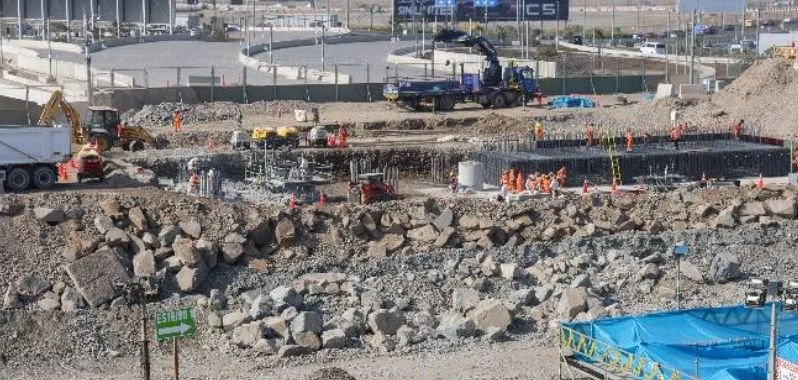
- Q3 2026: Implementation Phase. Construction began in earnest. The focus shifted from site preparation to the physical labor of building dams and reservoir networks. During this period, the program achieved its milestone of 8,500 temporary jobs, with a balanced focus on community involvement.
- August 2026: Milestone Review. Government officials confirmed that the investment of S/ 3.84 million in labor had been effectively distributed, setting the stage for the second half of the year.
- Target Q4 2026: Scaling Up. The government has announced an ambitious roadmap to increase total investment to S/ 6.8 million, with a goal of reaching 15,000 total jornales (days of work) by year-end.
Supporting Data: Economic and Social Impact
The economic impact of these projects is best understood through the lens of income distribution. By utilizing a rotational hiring system, the program ensures that benefits are not concentrated in the hands of a few, but are spread across the wider community.
Distribution by Region
While the program covers multiple districts, the intensity of labor demand remains highest in the following regions:
- Puno: Serving as a critical hub for livestock protection.
- Cusco: Focusing on high-altitude irrigation for potato and grain crops.
- Ayacucho: Addressing irrigation shortages in semi-arid zones.
- Moquegua and Junín: Targeting regional resilience against shifting rainfall patterns.
- Ancash: Integrating mountain watershed management.
The gender-inclusive policy is a cornerstone of this initiative. Authorities emphasize that the selection process is designed to ensure that both men and women have equitable access to these employment opportunities, fostering a more inclusive labor environment in regions where traditional gender roles have often sidelined women from public infrastructure projects.
Official Responses and Strategic Vision
Government officials from the Ministry of Agrarian Development and Irrigation have highlighted the program as a testament to the "pro-growth, pro-farmer" policy agenda.

"We are not just moving earth; we are securing the future of our rural families," stated a spokesperson for the Sierra Azul fund. "The infrastructure we are building today will ensure that, five or ten years from now, these farmers will have the water security necessary to sustain their crops, regardless of how severe the droughts may become."
The strategy is built on the premise that infrastructure investment is the most effective way to address rural poverty. By providing temporary income during construction and permanent water access upon completion, the government aims to reduce the economic necessity for migration toward urban centers. This, in turn, preserves the cultural and social fabric of the Andean communities.
Implications: Building Resilience for the Future
The implications of the Sierra Azul program extend far beyond the immediate construction sites. As Peru continues to grapple with the unpredictable nature of climate change, the ability to store water at high altitudes becomes a matter of national security.
Environmental Sustainability
The qochas and dams are designed to be "green" infrastructure. By slowing down the flow of water and encouraging natural infiltration, these projects mitigate soil erosion and improve the health of downstream pastures. This holistic approach to watershed management is increasingly recognized as a best practice in global climate adaptation.
Economic Multiplier Effect
The S/ 1,500 salary per worker does not simply vanish; it is spent in local markets, stimulating demand for goods and services in the provinces. This creates a secondary ripple effect that supports local shopkeepers, transporters, and suppliers, effectively keeping the economic cycle within the region.

The Path to 2027 and Beyond
Looking forward, the government is already evaluating the feasibility of expanding the program to include more sophisticated irrigation technologies, such as drip irrigation, that can be connected to the newly built reservoirs. The commitment to invest an additional S/ 3 million by the end of 2026 is a strong signal that the current administration views the Sierra Azul model as a cornerstone of its rural development policy.
Conclusion
The 19 projects under the Sierra Azul program serve as a beacon of progress in the Peruvian highlands. By transforming the landscape through sustainable engineering and investing in the most valuable asset of the region—its people—the Ministry of Agrarian Development and Irrigation is fostering a more robust, resilient, and equitable agricultural future. As the project enters its final phase for the year, the focus remains clear: to ensure that the water of today becomes the prosperity of tomorrow for every Andean family.
The success of these initiatives demonstrates that with the right combination of traditional knowledge, modern technical expertise, and community-centered policy, even the most isolated regions of the country can be integrated into the national economy in a way that respects both the environment and the dignity of the local workforce.