In the modern industrial landscape, the heartbeat of production—whether deep within an Andean copper mine or inside a high-density data center in Lima—is powered by an invisible, yet unforgiving force: electricity. As Peru accelerates its digital transformation and expands its industrial output, the traditional concept of "having power" is being replaced by a more sophisticated mandate: "ensuring power intelligence."
Experts at Schneider Electric, a global leader in energy management, are sounding the alarm: the difference between market leadership and operational failure no longer lies in the modernity of machinery, but in the visibility of the electrical infrastructure that sustains it.
The New Paradigm: Beyond Simple Connectivity
"Today, operational continuity does not depend solely on having electricity, but on knowing how that energy is arriving, how loads are behaving, and what signals the infrastructure is emitting before a potential failure occurs," explains Víctor Paredes, Director of Power Systems for the Southern Andean Cluster at Schneider Electric.
Paredes emphasizes that even the most cutting-edge equipment is rendered useless if the underlying electrical ecosystem is not continuously monitored and maintained. In an environment where the margin for error is shrinking, the risk of an unmonitored system is not just a technical oversight—it is a business liability.
Chronology of an Industrial Transformation
The necessity for robust electrical infrastructure in Peru has evolved through three distinct phases over the last decade:
- 2019: The Pre-Digital Baseline: Peru’s data consumption was measured at an average of 5.67 GB per mobile user. Infrastructure was largely analog, with reactive maintenance being the industry standard.
- 2024–2025: The Acceleration Phase: The post-pandemic surge in digital connectivity saw data consumption skyrocket to 23.51 GB. Simultaneously, mining exports hit historic highs, reaching $55.447 billion by November 2025—a 23.4% increase over the previous year.
- 2026: The Era of Intelligent Resilience: The current landscape requires a transition from reactive repairs to predictive digital monitoring. With 66% of the Peruvian economy now anchored by sectors like manufacturing, construction, and digital services, the cost of downtime has reached an all-time high.
Supporting Data: The Economic Weight of Continuity
The urgency of this shift is backed by rigorous economic data. According to the National Institute of Statistics and Informatics (INEI), as of April 2026, the combined impact of Commerce, Construction, and Manufacturing represents two-thirds of Peru’s economic output. Manufacturing alone has seen a steady growth of 2.17%.

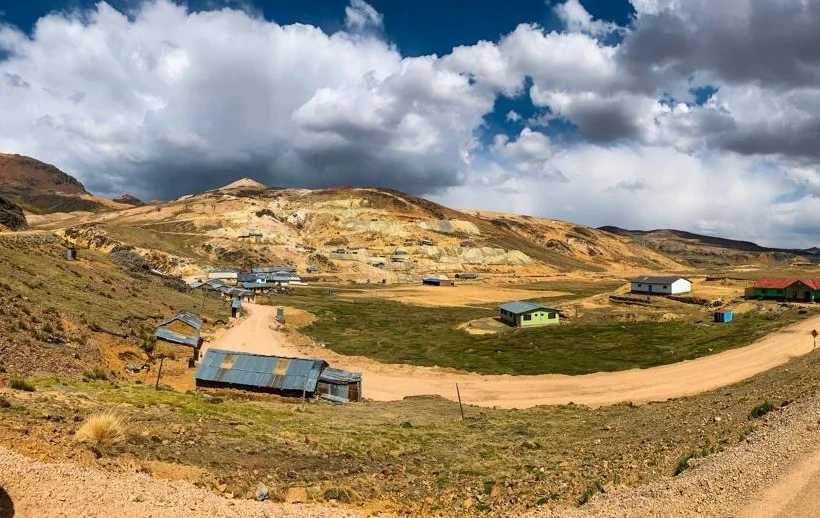
For these sectors, electrical failure is not merely an inconvenience; it is a direct blow to the GDP. In the mining sector—the country’s primary economic engine—the interconnected nature of operations means that a single fluctuation in voltage can trigger a cascading failure. From crushing and grinding circuits to ventilation and internal logistics, the dependency on uninterrupted power is absolute.
The Connectivity Pressure Gauge
The digital pressure on electrical grids is evidenced by OSIPTEL reports. As of December 2025, over 33 million mobile devices in Peru were accessing mobile internet. This massive influx of data requires not only high-speed bandwidth but also highly reliable, redundant power systems for the data centers and telecommunication hubs that host this traffic.
The Regulatory Landscape
Reliability is not just a corporate goal; it is a national metric. Data from Osinergmin (the energy regulator) as of July 2025 revealed that 19 major electrical distribution systems across the country exceeded the tolerance limits for SAIFI (System Average Interruption Frequency Index) and SAIDI (System Average Interruption Duration Index). While these metrics reflect public grid performance, they serve as a stark reminder for private enterprises: the public grid is subject to volatility, and internal infrastructure must be hardened to compensate.
The Hidden Enemy: Power Quality vs. Power Availability
A critical insight provided by industry leaders is that "power quality" is as important as "power availability." Many companies mistakenly believe that as long as the lights stay on, their infrastructure is safe. However, Schneider Electric notes that subtle electrical phenomena—such as harmonic distortions, voltage imbalances, and micro-interruptions—can silently degrade sensitive assets.
These phenomena act as a "slow poison" for industrial equipment. They reduce the lifespan of motors, pump systems, and servers, often leading to premature failure that cannot be explained by standard maintenance logs. Without constant, high-frequency monitoring, these "invisible" issues remain hidden until a catastrophic failure occurs, leading to unplanned downtime that costs millions in lost production.
Implications: Building the Resilient Enterprise
For Peruvian organizations looking to maintain competitiveness, the path forward is clear: a shift toward a digital-first electrical strategy. This involves four strategic pillars:

- Identification of Critical Loads: Mapping out which systems are mission-critical and prioritizing their protection.
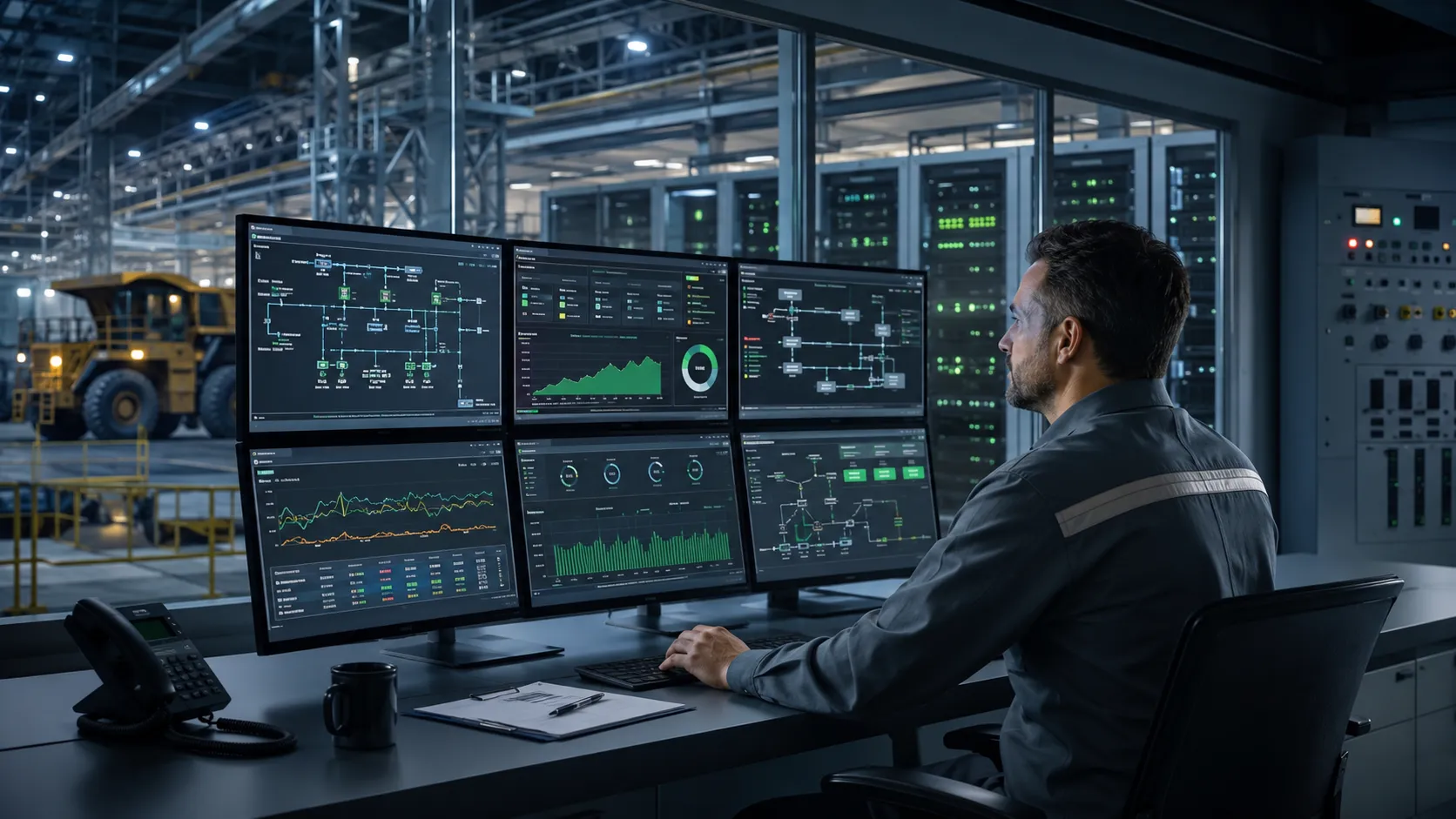
- Asset Health Visibility: Implementing IoT-enabled sensors that provide real-time data on the health of transformers, circuit breakers, and power distribution units.
- Automated Response Systems: Moving beyond manual interventions by deploying AI-driven systems that can reroute power or isolate faults in milliseconds.
- Proactive Maintenance Protocols: Transitioning from calendar-based maintenance to condition-based maintenance, where service is performed only when the system’s own data suggests it is necessary.
Schneider Electric: A Global Partner for Local Success
As the industry faces these challenges, Schneider Electric stands as a foundational partner. With over 160,000 employees and a network of 1 million partners globally, the company is bridging the gap between traditional power management and the new digital economy.
Their approach centers on the convergence of electrification and digitization. By creating open, interconnected ecosystems—where factories, data centers, and infrastructure communicate their power needs in real-time—Schneider Electric allows businesses to optimize performance while simultaneously meeting global sustainability goals. In a world where energy efficiency is synonymous with financial profitability, their portfolio of software-defined architectures and AI-driven systems is setting the standard for the next generation of industrial resilience in Peru.
Conclusion: The Cost of Inaction
The data is unequivocal: Peru’s economy is becoming increasingly digital and increasingly reliant on heavy-duty industrial processes. As the volume of data traffic continues to climb and the scale of mining and manufacturing operations expands, the electrical infrastructure that supports them can no longer be treated as a background utility.
The message from the field is a call to action for executives and plant managers alike: invest in monitoring, prioritize power quality, and embrace the digital transformation of your energy systems. In an era where connectivity is the lifeblood of business, a stable, intelligent electrical grid is the most important asset an organization can possess. Those who recognize this today will be the ones leading the market tomorrow.