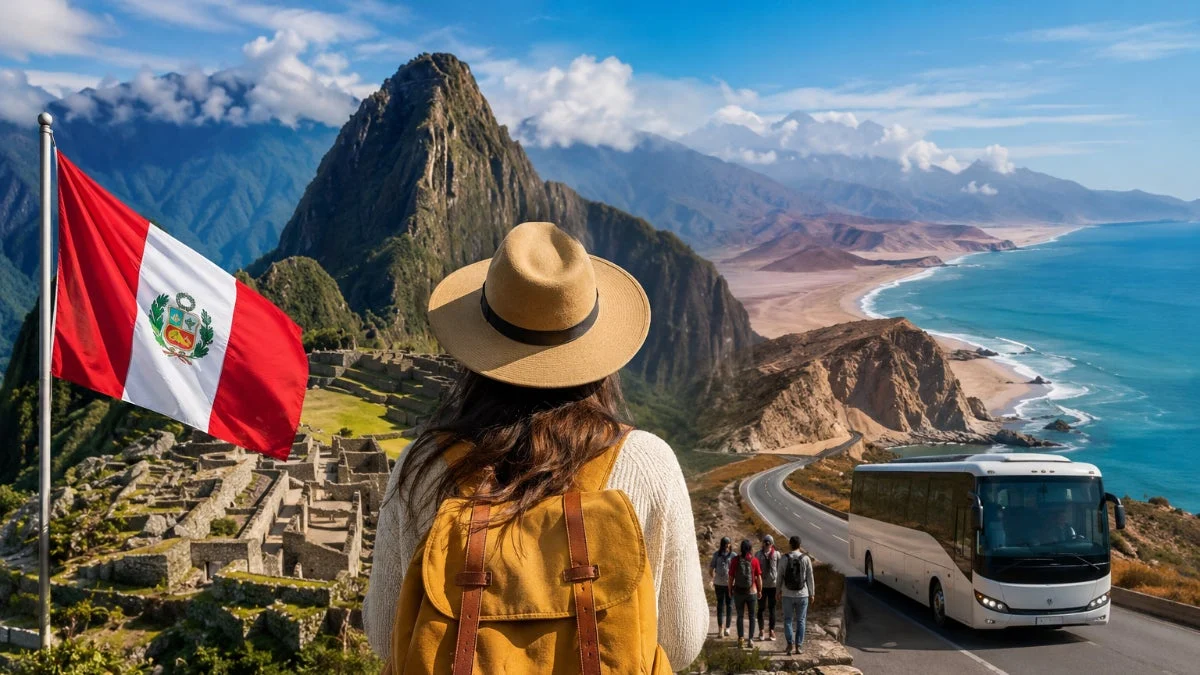
As the calendar approaches the end of July, the Peruvian tourism sector is preparing for what promises to be its most robust performance of the year. According to the latest projections from the Ministry of Foreign Trade and Tourism (Mincetur), the upcoming "Fiestas Patrias" long weekend—stretching from July 25 to July 29, 2026—is set to mobilize approximately 1.9 million domestic travelers. This massive migration of people is expected to inject an estimated US$ 254 million into regional economies, signaling a resilient recovery for the industry.
Main Facts: A Resurgent Industry
The forecast of 1.9 million travelers represents a significant milestone for the Peruvian tourism landscape. This figure is not only a testament to the enduring appeal of the nation’s cultural and natural heritage but also a direct reflection of the increased confidence among the Peruvian middle class to invest in leisure and travel.
The projected economic impact of US$ 254 million marks a substantial increase from the US$ 223 million generated during the same period in 2025. Mincetur analysts attribute this growth to two primary factors: a longer average stay for travelers at their chosen destinations and a higher per-capita expenditure. With an average projected spend of S/ 547 per person, the tourism industry is bracing for a high-traffic period, with hotels in top-tier destinations already reporting occupancy rates of up to 90%.
Chronology of the 2026 Fiestas Patrias Movement
The movement of travelers is expected to follow a traditional but intensified pattern, dictated by the five-day holiday window:
- July 23-24 (Pre-holiday build-up): Major transit hubs, particularly Jorge Chávez International Airport and the capital’s central bus terminals, are expected to see a surge in departures as families and individuals seek to maximize their vacation time.
- July 25 (Start of the long weekend): Official commencement of the holiday. Peak congestion is expected on major highways (Panamericana Norte and Sur) and at regional airports.
- July 26-28 (Core travel days): The focus shifts to regional festivities, local tourism, and family gatherings. This is the period where the highest regional economic activity is expected, particularly in hospitality, dining, and local handicrafts.
- July 29 (Conclusion and Return): As the holiday draws to a close, a mass migration back to urban centers is anticipated, testing the logistical capacity of transport providers.
Supporting Data: Where Peruvians Are Heading
The Mincetur study highlights a diverse range of motivations for these trips. While 64.3% of travelers are motivated by leisure, recreation, or adventure, 29.2% are traveling specifically to reconnect with family and friends. This social aspect of the holidays remains a cornerstone of the domestic tourism economy.
Top Destinations
The preference for destinations reflects a mix of traditional favorites and emerging hotspots:
- Lima (13.4%): Remains the hub for short-distance tourism and urban escapes.
- Cusco (10.7%): Continues to be the primary magnet for heritage and cultural tourism.
- Arequipa (10.4%): Highly sought after for its culinary reputation and colonial architecture.
- Ica (7.6%), Piura (7.3%), and Cajamarca (7.2%): Regional hubs that benefit from a mix of climate and cultural attractions.
Interestingly, the data suggests that while 66.2% of travelers are "repeat visitors" to their chosen destinations, 33.8% are venturing into new territory. This shift is being actively encouraged by promotional campaigns that highlight lesser-known regions. Patricia Campos, president of the Peruvian Association of Travel and Tourism Agencies (Apavit), notes that spots like the snow-capped routes of Ancash for beginners, or the legendary left-hand surf waves of Malabrigo in La Libertad, are gaining traction. Furthermore, the Vraem region in Ayacucho—specifically Pichari—is being marketed as an "unexplored paradise," offering waterfalls and coffee plantations that rival the beauty of Tarapoto but with a more pristine, untouched atmosphere.
Official Responses and Industry Sentiment
The mood among industry stakeholders is one of cautious optimism. For years, the sector has struggled with the volatility of political transitions and the resulting lack of long-term tourism policy.
Maritza Montero, Vice President of the National Chamber of Tourism (Canatur), expressed relief at the current trajectory. "We are finally seeing the light," she stated. "For years, the constant change of authorities made it difficult to work or maintain any continuity. Now, we are seeing domestic flow increase, and the economic impact is positive. We are looking at a 14% to 15% growth over last year."
However, industry leaders emphasize that this success is heavily weighted toward domestic tourism. While the internal market has effectively "recovered," the international market—or turismo receptivo—remains significantly hampered.
Implications: The Challenges of Sustainability and Growth
While the immediate outlook for the Fiestas Patrias is bright, the industry remains clear-eyed about the structural hurdles that must be addressed to ensure long-term stability.
The Receptivo Gap
The contrast between the flourishing domestic sector and the struggling international sector is a focal point of concern. Industry experts agree that while Peruvians are traveling more, the country has not yet regained its pre-pandemic status as a global tourism powerhouse. The reasons are multifaceted:
- Infrastructure: Connectivity between regions remains a bottleneck, particularly for remote, high-potential areas like those in the Vraem.
- Political and Social Stability: International perception of Peru is still sensitive to reports of social unrest or political instability, which can lead to cancellations from long-haul markets.
- The Machu Picchu Access Issue: The ongoing challenges surrounding the administration and logistics of visiting the citadel remain a significant friction point for international tour operators.
Security and Formality
Both Mincetur and Canatur are pushing for a more formal tourism sector. With 50.1% of tourists opting for interprovincial buses and 18.2% choosing air travel, the logistical pressure on these providers is immense. Airlines like Sky are responding to the demand, projecting over 72,000 passengers during the window, with Pucallpa and Tumbes seeing massive year-on-year demand spikes of 36% and 28% respectively.
The recommendation from industry bodies is uniform: travelers should prioritize formal, registered tourism operators. This not only ensures better safety standards but also contributes to the tax base that sustains the infrastructure these travelers rely on.
A Path Toward Full Recovery
The 2026 Fiestas Patrias serve as a barometer for the health of the Peruvian economy. The fact that the average traveler is willing to spend S/ 547—an amount that has risen significantly compared to previous years—is a strong indicator of economic resilience. However, stakeholders warn that "recovering" the domestic market is only half the battle.
To reach the next stage of development, the government and the private sector must align on a strategy that simplifies the travel experience, improves inter-regional transport, and maintains a consistent, welcoming image to the international community. For now, however, the focus is on the short term: managing the influx of nearly two million citizens as they traverse the diverse geography of Peru, from the beaches of the north to the historic highlands of the south.
As the country prepares for its patriotic celebrations, the success of this upcoming long weekend will likely set the tone for the remainder of the year, proving that the heart of Peru’s tourism industry—its own people—is more active than ever.