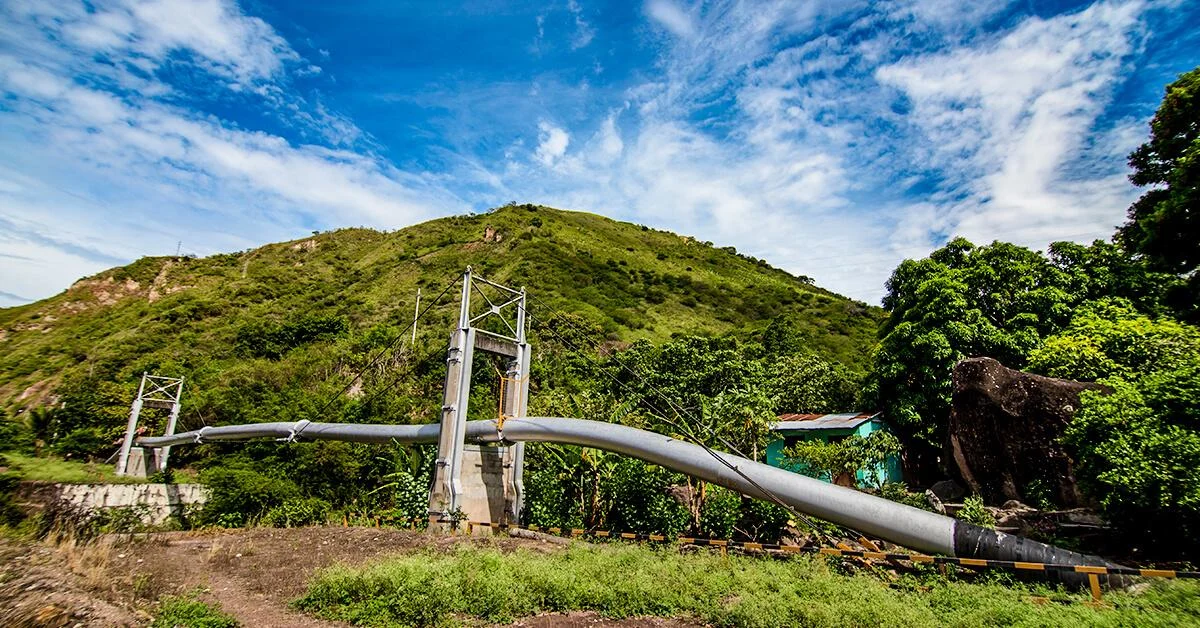
Piura, Peru – [Insert Date] – Petroperú, the state-owned oil company of Peru, has once again been forced to activate its Emergency Response Plan following the discovery of the eighth clandestine connection to the Norperuano Pipeline (ONP) in less than two months. The latest incident, identified at kilometer 821+544 in the Sechura district of the Piura department, highlights a disturbing trend of criminal activity targeting this vital national infrastructure. The discovery of a pipe directly connected to the pipeline underscores the deliberate and persistent nature of these attacks, which Petroperú has unequivocally categorized as acts perpetrated by third parties.
The rapid succession of these illegal taps, particularly in the arid Sechura desert, has amplified concerns regarding the security of the ONP, a critical asset designated as a National Critical Asset. This ongoing vulnerability poses a significant threat not only to Peru’s energy security but also to the environmental integrity of the region and the economic stability of the country. Petroperú’s swift response, involving the mobilization of specialized personnel to mitigate the immediate situation and address the contingency, is a testament to the seriousness with which the company views these escalating threats.
A Pattern of Vandalism: Chronology of Illegal Taps
The repeated discovery of clandestine connections paints a grim picture of a coordinated effort to disrupt and potentially exploit the Norperuano Pipeline. Since June of this year, eight such incidents have been recorded in the Sechura desert alone, indicating a systematic approach to targeting this crucial energy artery.
The timeline of these events, while not fully detailed in the initial report, can be inferred to demonstrate a concerning escalation:
- June [Year]: The first clandestine connection is identified, marking the beginning of this alarming trend.
- [Subsequent Months leading to July 12, 2024]: A series of six additional illegal taps are discovered, demonstrating a growing boldness and frequency of these criminal acts.
- July 12, 2024: The Norperuano Pipeline’s Section II is taken out of operation due to low crude oil inventories. While not directly linked to an immediate discovery, this operational pause may have created a perceived window of opportunity for further illicit activities, or perhaps was a consequence of earlier disruptions.
- [Date of Current Article – October 2026 implied by image data]: The eighth clandestine connection is discovered, bringing the total number of identified taps to eight within a concentrated period and geographical area.
This pattern suggests a deliberate and persistent campaign against the ONP, requiring a multi-faceted and robust response that extends beyond the immediate technical mitigation of each incident. The repeated nature of these attacks necessitates a deeper investigation into the motives and perpetrators behind them, as well as a significant enhancement of security measures.
The Norperuano Pipeline: A Critical National Asset Under Siege
The Norperuano Pipeline (ONP) is more than just an oil transportation system; it is a vital artery for Peru’s energy sector and a cornerstone of its economic development. Stretching over 1,100 kilometers, it transports crude oil from the Amazon basin in the north to the port of Bayóvar on the Pacific coast. This infrastructure is indispensable for the extraction, processing, and export of crude oil, contributing significantly to the national GDP and providing essential energy resources.
Designated as a National Critical Asset, the ONP’s operational integrity is paramount. Any disruption, whether accidental or intentional, has far-reaching consequences. The current spate of illegal taps represents a direct assault on this designation, exposing vulnerabilities that demand immediate and comprehensive attention from all relevant authorities.
The location of these incidents, predominantly in the Sechura desert, a region known for its arid landscape, presents unique challenges for both surveillance and rapid response. The vast and often remote terrain can make it difficult to detect clandestine activities in their nascent stages. However, the consistent discovery of these taps indicates that perpetrators are operating with a degree of familiarity and planning, exploiting any perceived gaps in security.
Petroperú’s Response and Official Coordination
Upon detecting the latest illegal tap, Petroperú promptly initiated its Emergency Response Plan. This protocol involves the swift deployment of specialized personnel equipped to handle the technical aspects of isolating the affected section, assessing any potential environmental impact, and initiating repair operations. The company’s commitment to containing and rectifying these incidents is evident in its proactive stance.
As part of the immediate measures, Petroperú verified the closure of a manual valve located at kilometer 792 of Section II of the ONP. This action is crucial for isolating the compromised segment and preventing further unauthorized flow or potential spillage.
Beyond the technical response, Petroperú has engaged in a concerted effort to involve and inform relevant governmental agencies. The company has formally communicated the incident to the Parachique police station, initiating the legal process of reporting a criminal act. Furthermore, Petroperú is actively coordinating with a host of key institutions, underscoring the complex and multi-agency nature of addressing such a threat to national infrastructure. These include:
- OSINERGMIN (Organismo Supervisor de la Inversión en Energía y Minería): The regulatory body responsible for overseeing the energy and mining sectors, ensuring compliance with safety and environmental standards.
- OEFA (Organismo de Evaluación y Fiscalización Ambiental): The environmental assessment and enforcement agency, critical for monitoring and mitigating any ecological damage.
- Dirección General de Hidrocarburos (DGH): The government agency responsible for the management and regulation of hydrocarbon activities.
- Dirección Nacional de Inteligencia (DINI): Peru’s national intelligence agency, likely involved in investigating the potential organized criminal elements behind these attacks.
- Dirección de Seguridad Integral (DIRSEINT): A security directorate that would be involved in the broader security protocols for critical infrastructure.
This comprehensive engagement signals a recognition that the problem extends beyond operational management and requires a coordinated national security and intelligence response. Petroperú is also preparing to file a criminal complaint with the relevant prosecutor’s office and is facilitating a fiscal inspection of the affected site to gather evidence for prosecution.
Implications for National Security and Economic Stability
The continuous attacks on the Norperuano Pipeline carry profound implications for Peru’s national security and economic stability. The ONP is a strategic asset, and its vulnerability directly impacts the nation’s ability to harness its natural resources and meet its energy demands.
Economic Ramifications:
- Production Disruptions: Each illegal tap necessitates operational halts and repairs, leading to significant production losses and delays in crude oil delivery. This directly affects export revenues and the supply chain for downstream industries.
- Increased Operational Costs: Petroperú incurs substantial costs associated with emergency response, repair work, increased security patrols, and potential environmental remediation. These costs ultimately impact the company’s profitability and potentially lead to higher energy prices for consumers.
- Investor Confidence: Persistent security issues can deter foreign investment in Peru’s oil and gas sector, hindering future exploration and development projects.
Environmental Risks:
- Potential for Spills: While the article does not explicitly mention spills, the very act of tampering with a pipeline carries an inherent risk of leakage or rupture, which could lead to significant environmental damage, particularly in sensitive ecosystems. The Sechura desert, though arid, supports unique flora and fauna that could be impacted.
- Contamination: Illicit extraction of crude oil through these taps can also lead to localized contamination of soil and groundwater, posing long-term environmental challenges.
National Security Concerns:
- Organized Crime: The systematic nature of these attacks suggests the involvement of organized criminal groups, potentially linked to illegal mining, drug trafficking, or other illicit activities that seek to profit from the disruption and theft of oil. This elevates the issue from mere vandalism to a national security threat.
- Weakening of Critical Infrastructure: The repeated targeting of the ONP highlights a vulnerability in Peru’s critical infrastructure, which could be exploited by adversaries with malicious intent.
- Erosion of Public Trust: Incidents like these can erode public trust in the government’s ability to protect its vital assets and maintain order.
The fact that Section II of the ONP has been out of operation since July 12, 2024, due to low crude oil inventories, adds another layer of complexity. While this operational status might seem to reduce the immediate impact of a tap, it does not diminish the severity of the security breach. It could also indicate underlying issues within the broader oil extraction and transportation network that these criminal elements are seeking to exploit.
Petroperú’s reiteration of its concern and its plea for reinforced security measures for this National Critical Asset are not mere statements but urgent calls to action. The company, alongside its government partners, faces the formidable task of not only repairing the immediate damage but also implementing long-term strategies to deter, detect, and decisively counter these persistent threats. The future of Peru’s energy sector and the environmental health of its northern regions depend on a robust and unified response to this escalating crisis.
The author of this article, Miguel Ampudia, a lawyer specializing in mining and energy law, highlights the critical nature of this infrastructure and the need for enhanced security. His expertise underscores the legal and regulatory dimensions of this ongoing challenge. The persistent attacks on the Norperuano Pipeline are a stark reminder of the complex interplay between resource management, economic development, environmental protection, and national security in Peru.