Executive Summary: A Call for Decisive Action
The Sociedad Nacional de Pesquería (SNP), the representative body for Peru’s industrial fishing sector, has formally declared its support for the Executive Branch’s request to the Congress of the Republic for the delegation of legislative powers. This move, framed as a vital step toward national economic reactivation, comes at a time when Peru faces a precarious intersection of structural deceleration, rising public insecurity, and the looming threat of the El Niño (FEN) phenomenon.
The SNP’s stance underscores the gravity of the current macroeconomic climate, urging lawmakers to expedite the legislative process to provide the government with the tools necessary to fortify security, incentivize private investment, and shield the labor market from imminent volatility.
The Landscape of Complexity: Analyzing the Triple Threat
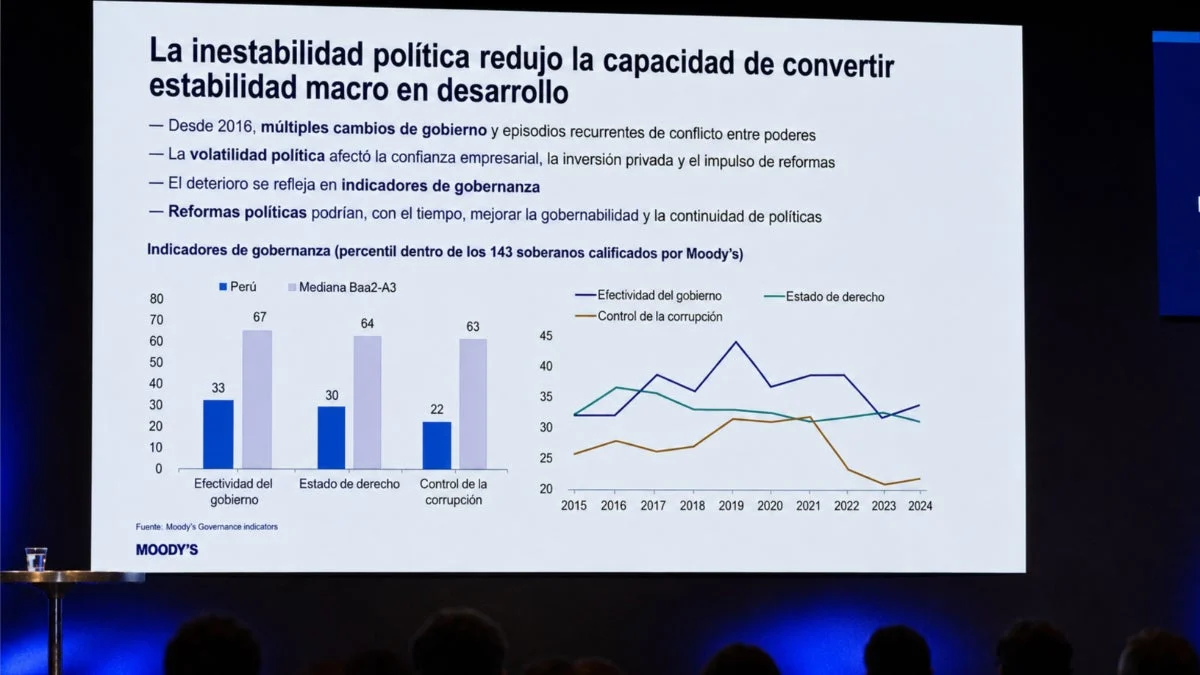
Peru is currently navigating a period of profound economic turbulence. According to the SNP, the confluence of three distinct factors—the degradation of public safety, the climate-driven volatility of the El Niño phenomenon, and the broader trend of economic stagnation—threatens to dismantle years of hard-won progress in regional development.
The Security Crisis and Private Investment
The rise in public insecurity is not merely a social issue; it is a primary barrier to economic growth. Businesses across the coastal and inland regions of Peru are reporting increased costs associated with protection and operational disruptions. The SNP argues that without a swift, legally backed strategy to restore order, the climate for private investment will continue to deteriorate, as capital tends to flee environments where the rule of law is compromised.
The El Niño Factor: A Looming Environmental Threat
Perhaps the most unpredictable variable in the current equation is the El Niño phenomenon. History has shown that FEN acts as a massive disruptor to the Peruvian supply chain, particularly in agriculture and fisheries. The SNP warns that the intensification of these weather patterns in the coming months could lead to catastrophic losses, effectively paralyzing the logistical hubs that support the nation’s export-oriented economy.
Sectoral Impact: The Critical State of Industrial Fishing
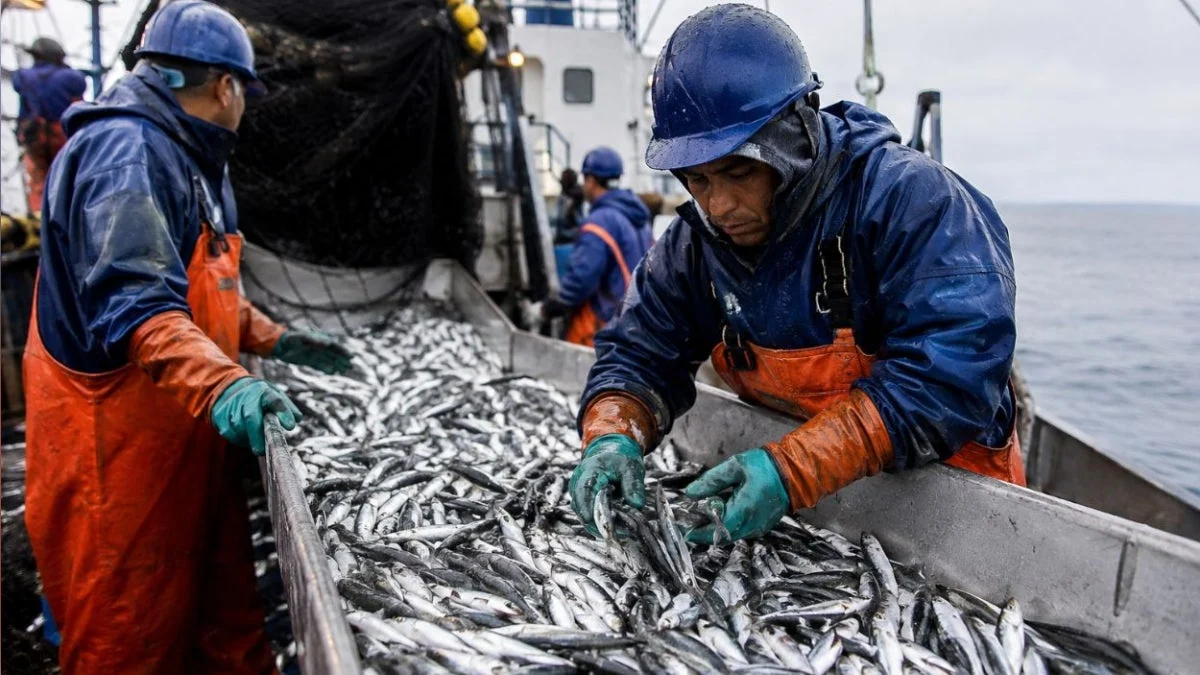
The fishing industry, a pillar of the Peruvian economy, is currently at a tipping point. As a sector highly sensitive to environmental fluctuations, the industry is witnessing firsthand the early warning signs of a downturn that could have systemic consequences.
Data Projections: The 2026 Warning
The SNP, citing alarming projections from Apoyo Consultoría, has highlighted a grim outlook for the labor market. Their analysis suggests that by 2026, the cumulative impact of these economic headwinds could result in the loss of over 78,000 direct and indirect jobs within the fishing sector. This is not merely a statistic; it represents a profound shock to the economies of coastal regions, where entire communities rely on the "chain of value" associated with the industrial catch.
The Multiplier Effect: Why Fisheries Matter
To understand the stakes, one must look at the "multiplier effect" of the fishing industry. The SNP emphasizes that for every S/ 100 generated by industrial fishing, an additional S/ 80 is injected into the broader economy. This revenue circulates through:
- Logistics and Transport: Moving product from port to processing plants and international hubs.
- Commerce and Retail: Supporting local markets in port cities.
- Service Providers: Maintenance, engineering, and specialized technological services that support the fleet and the factories.
- The Broader Supply Chain: From packaging and labeling to international marketing and administrative support.
In 2025, the sector accounted for 2.1% of the national GDP and sustained over 250,000 jobs. A significant contraction in this sector would, therefore, trigger a cascade of economic pain across multiple related industries.
Chronology: The Path to the Current Impasse
- Early 2025: Initial signs of El Niño’s intensification begin to manifest, disrupting traditional fishing seasons and affecting biomass availability.
- Q1-Q2 2025: Economic data confirms a trend of deceleration, with investment growth stalling across the mining, agricultural, and industrial sectors.
- Mid-2025: Public outcry over rising rates of extortion and insecurity reaches a zenith, prompting a national debate on the efficacy of current law enforcement and legislative frameworks.
- Late 2025: The Executive Branch announces its intent to draft a comprehensive legislative package designed to bypass bureaucratic bottlenecks.
- Current Date: The SNP issues its formal declaration of support, aligning with business associations nationwide to pressure the legislative branch to prioritize the delegation of powers.
Official Responses and Political Strategy
The SNP’s endorsement is part of a larger, coordinated effort by Peru’s private sector to urge the legislature to adopt a pragmatic approach to governance.
The Role of Legislative Powers
The delegation of powers is a constitutional mechanism that allows the Executive to issue legislative decrees on specific matters—usually related to the economy and security—without the full procedural delay of congressional debate for every measure. The SNP believes this speed is essential. "The country does not have the luxury of time," a spokesperson for the association stated.
Expectations of the Congressional Response
The call to the Congress of the Republic is clear: evaluate the request with the urgency the current situation demands. Critics of the delegation process often express concern over checks and balances; however, the SNP argues that the current "complex, multi-layered crisis" necessitates a temporary streamlining of decision-making. The association suggests that the focus should be on:
- Administrative Simplification: Cutting red tape to facilitate project execution.
- Investment Incentives: Providing legal stability to attract domestic and foreign capital back into the country.
- Security Reforms: Empowering the police and the judiciary to curb the criminal organizations that have begun to tax and threaten productive activities.
Broader Implications: A Nation at a Crossroads
The support from the SNP is a microcosm of a larger national sentiment. Peru is currently testing the limits of its institutional resilience.
Protecting the Vulnerable
The primary concern of the SNP, beyond balance sheets, is the welfare of the thousands of families whose livelihoods are tied to the fishing industry. A decline in industrial activity results in a contraction of tax revenue for regional governments, which in turn leads to a reduction in public services. By advocating for these legislative reforms, the SNP is positioning itself as a defender of economic stability for the working class.
The Path Toward 2026 and Beyond
As the nation looks toward the next fiscal cycle, the combination of legislative agility and private sector investment will be the determinants of recovery. If the Executive is granted the powers it seeks, the following outcomes are targeted:
- Stabilization of the Labor Market: Stemming the loss of 78,000 jobs through tax-incentive programs and emergency subsidies for the most affected regions.
- Climate Resilience: Investing in adaptive infrastructure that allows the fishing and agricultural sectors to continue operations despite the volatility of the El Niño phenomenon.
- Restoration of Confidence: Demonstrating to international markets that the Peruvian state is capable of decisive, proactive governance.
Conclusion: The Imperative of Collaboration
The situation described by the SNP is a stark reminder that economic stability is not a passive outcome but a result of active policy and cooperation between the public and private spheres. The delegation of legislative powers is not a panacea, but it is a necessary instrument in the toolbox of a state that finds itself under siege by both environmental and socio-economic forces.
As the debate in the halls of Congress heats up, the voices of industry leaders like those within the SNP serve as a reminder of the human cost of inaction. For Peru to navigate the current storm, the government must be empowered to act, and the legislative branch must demonstrate the political maturity to prioritize the nation’s long-term economic health over short-term partisan friction. The coming months will be defining for the Peruvian economy, and the decisions made today will echo throughout the industrial sectors that remain the backbone of the nation’s future.