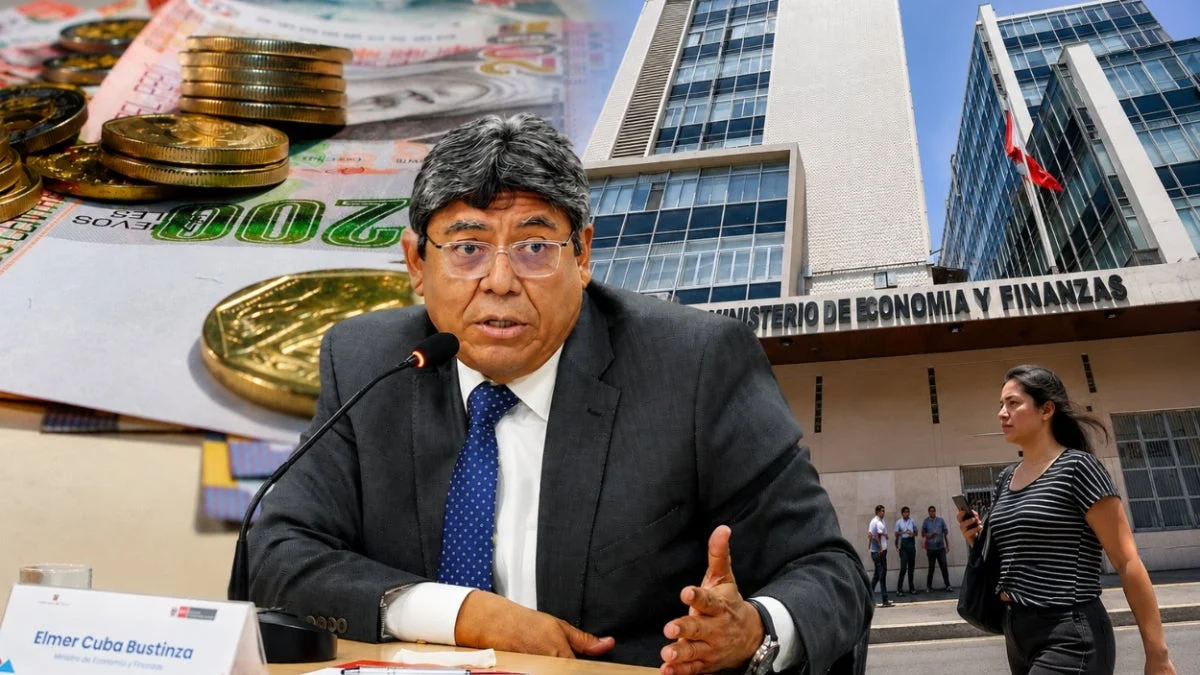
In a bold move to stabilize the nation’s volatile financial landscape, Peru’s Minister of Economy and Finance, Elmer Cuba, has announced a decisive strategy: the administration will formally challenge four pieces of legislation passed by the previous Congress before the Constitutional Court (TC). According to the Minister, these "surviving norms" are not merely policy disagreements but are unconstitutional mandates that threaten to derail the country’s fiscal sustainability for the next half-decade.
The announcement comes at a critical juncture for the Peruvian economy, which is grappling with the dual pressures of global market instability and a history of populist legislative initiatives that have prioritized immediate political gains over long-term structural health.
The Core Conflict: Constitutional Integrity vs. Populist Spending
The crux of the Ministry of Economy and Finance’s (MEF) argument lies in the violation of constitutional principles regarding the initiation of public spending. Under the Peruvian Constitution, the Executive branch holds the exclusive prerogative to initiate laws that require public funding. However, the previous Congress frequently bypassed this mechanism, passing dozens of bills that created permanent fiscal obligations without identifying sustainable funding sources.
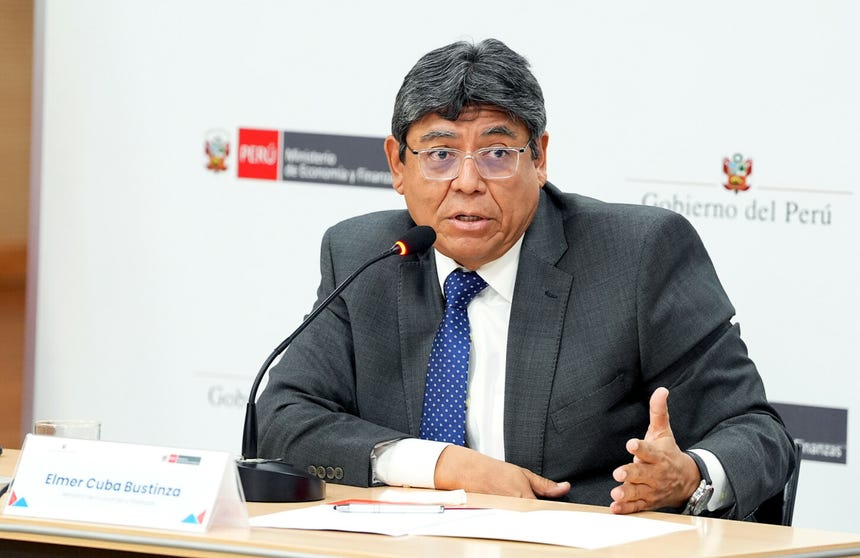
Minister Cuba describes these laws as "norms that degrade the country’s finances," noting that the government’s legal strategy will mirror the reasoning recently employed by the Constitutional Court in a landmark ruling that reaffirmed the prohibition of Congressional initiatives involving public expenditure. "We will use our best efforts to ensure that the Constitutional Court, having correctly ruled to eliminate such spending initiatives, applies that same logic to these four specific norms," Cuba stated during his policy briefing.
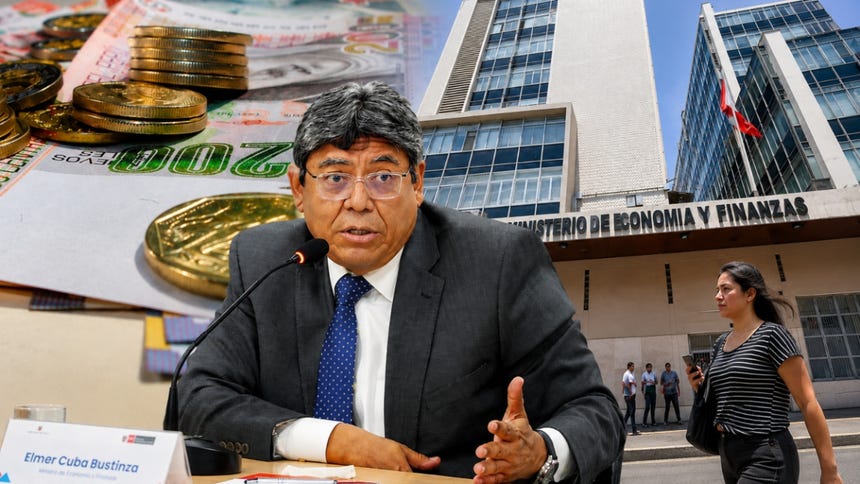
When pressed by reporters on the criteria for selecting these specific four laws, the Minister was blunt: "The priority will be the laws with the most zeros." By focusing on the most fiscally burdensome legislation, the government hopes to create a "fiscal floor" that prevents the national deficit from spiraling out of control.
A Chronology of Legislative Overreach
The legislative tension between the Congress and the Executive has been building for years, reaching a boiling point in the first quarter of 2026. The following timeline outlines the buildup toward this current crisis:
- Early 2026: A series of plenary sessions in the Peruvian Congress resulted in the approval of 11 distinct laws that created permanent new expenditure obligations for the State.
- March 2026: The Fiscal Council issued a formal warning, identifying that these laws, if left unchecked, would create a structural deficit that the Treasury could not support without compromising core services.
- April 2026: The enactment of a law granting a pension of S/ 3,500 for retired teachers sparked widespread debate about the sustainability of the public pension system.
- August 2026: Minister Elmer Cuba takes the helm of the MEF under the current administration and announces the "legal offensive" to petition the Constitutional Court to strike down the most damaging pieces of legislation.
Supporting Data: The Cost of Policy Without Funding
The Fiscal Council, an independent body tasked with monitoring the state’s fiscal trajectory, has provided the data that underpins Minister Cuba’s urgent plea. The figures are stark and illustrate why the administration feels compelled to act:
- The Pension Crisis: The law affecting the military and police pension regime (DL 1133) represents the largest single liability, with a projected cost of S/ 46 billion in present value.
- Teacher Pension Levelling: The mandate to align retired teachers’ pensions with the "Integral Monthly Remuneration" adds an annual burden exceeding S/ 8 billion.
- CAS Labor Benefits: The expansion of labor benefits for the Administrative Service Contract (CAS) regime is estimated to cost approximately S/ 3 billion annually.
These figures, combined with the general erosion of fiscal discipline, lead to a terrifying mathematical reality. Minister Cuba warned that if these policies remain in place, the fiscal deficit could stagnate at 3% for the next five years, and the national debt-to-GDP ratio could climb toward 35%. "If we do not act," Cuba cautioned, "we are effectively sacrificing the future for the present."
Official Responses and Strategic Rationale
The Ministry of Economy’s position is that the current fiscal trajectory is unsustainable. Minister Cuba highlighted that the service of public debt now equates to nearly 40% of the total public investment budget. Every sol spent on servicing debt interest is a sol diverted from schools, hospitals, police salaries, and critical infrastructure projects.
"When a country loses fiscal solvency, it begins to pay higher interest rates," Cuba explained. "All the effort we put into collecting IGV (Value Added Tax) and income tax ends up going increasingly toward interest payments rather than public investment or salary increases for doctors and teachers."
The government is not only looking to strike down these laws but is also preparing to propose a new, realistic trajectory for fiscal consolidation. The current legal mandate to return to a 1% fiscal deficit by 2028 is viewed by many economists as increasingly unfeasible, given the current "legislative inheritance" of spending mandates. The administration intends to present a reformed roadmap that balances fiscal responsibility with the necessary social investments.
The Real-World Implications: From Interest Rates to Mortgage Payments
Perhaps the most significant aspect of this conflict is how it transcends government balance sheets and impacts the average Peruvian citizen. Minister Cuba emphasized that the "Country Risk" premium—a measure of how much international investors trust the Peruvian government’s ability to pay its debts—is intrinsically linked to the daily lives of families.

"If the interest rate on a Peruvian bond rises due to a lack of fiscal solvency, the interest rate on mortgage loans follows," the Minister noted. "For the common citizen, this translates to a higher monthly payment for their home."
The government’s goal is to prevent Peru from entering a "debt trap" similar to other nations in the region, where debt-to-GDP ratios have ballooned toward 60%, leading to austerity measures and economic stagnation. By appealing to the Constitutional Court, the Executive is attempting to perform a "surgical strike" on the most damaging legislation to preserve the country’s credit rating and, by extension, the affordability of credit for the private sector.
Conclusion: A Test for Democratic Institutions
The coming months will serve as a crucial test for the Peruvian Constitutional Court. The judiciary must now weigh the political will of a former Congress against the technical warnings of the Ministry of Economy. The outcome will not only determine the state of the nation’s public finances but will also set a precedent for the separation of powers and the limitations of legislative spending power in Peru.
As the government prepares its legal briefs, the message from the Ministry of Economy is clear: fiscal discipline is not an abstract concept reserved for economists—it is the foundation upon which the country’s future stability, the cost of living for its citizens, and the capacity of the State to provide essential services are built. Whether the Constitutional Court upholds these challenges remains to be seen, but the administration has signaled that it will not stand by while the nation’s fiscal foundation is systematically dismantled.