In the arid but resilient landscape of Sechura, Peru, a quiet agricultural revolution is taking root. For the past two years, a strategic alliance between the Fondo Social del Proyecto Integral Bayóvar (FOSPIBAY) and the United Nations World Food Programme (WFP) has been rewriting the economic narrative for over 2,000 local farmers. By bridging the gap between subsistence farming and modern market access, this initiative has successfully injected S/ 1.2 million into the local economy, proving that sustainable development is not merely an ideal, but a scalable reality.
The Catalyst for Change: Main Facts of the Initiative
The core objective of this collaboration is to professionalize the agricultural sector in Sechura, moving beyond traditional cultivation methods toward a model of competitive, market-oriented production. Over the last 24 months, the program has acted as a multi-dimensional support system, providing technical assistance, logistical guidance, and certification pathways for local producers.
The initiative’s success is anchored in the delivery of "commercial capacity." It is not enough to grow high-quality produce; the program ensures that these goods reach high-value outlets, including school feeding programs, public canteens, local restaurants, and municipal food initiatives. By streamlining the supply chain and connecting smallholder farmers directly to these institutional buyers, the project has eliminated unnecessary intermediaries, thereby ensuring that a greater share of the profit remains in the pockets of the families who work the land.
A Chronological Journey: Two Years of Growth
The evolution of this project follows a deliberate, phased strategy designed to ensure long-term sustainability:
- Year 1: Foundation and Diagnostics. The project began with an extensive audit of local agricultural capabilities. FOSPIBAY and WFP identified the primary bottlenecks preventing growth: lack of technical expertise in crop health, poor storage infrastructure, and a lack of formal organizational structure among cooperatives.
- Capacity Building (Ongoing): Simultaneously, the program launched intensive training modules. This included the deployment of Field Schools—a hands-on pedagogical approach where farmers learned modern irrigation techniques, pest control, and soil management.
- The Partnership with SENASA: By mid-project, the initiative formalized a strategic partnership with the National Agricultural Health Service (SENASA). This was a critical turning point, as it allowed 420 producers to receive official certification, ensuring their products met stringent sanitary standards required for institutional procurement.
- The Certification Milestone: Throughout the second year, the program facilitated the attainment of the "Sello de Origen de Agricultura Familiar" (Family Farming Seal of Origin) for 36 local associations. This label serves as a mark of quality and traceability, essential for competing in regional and national markets.
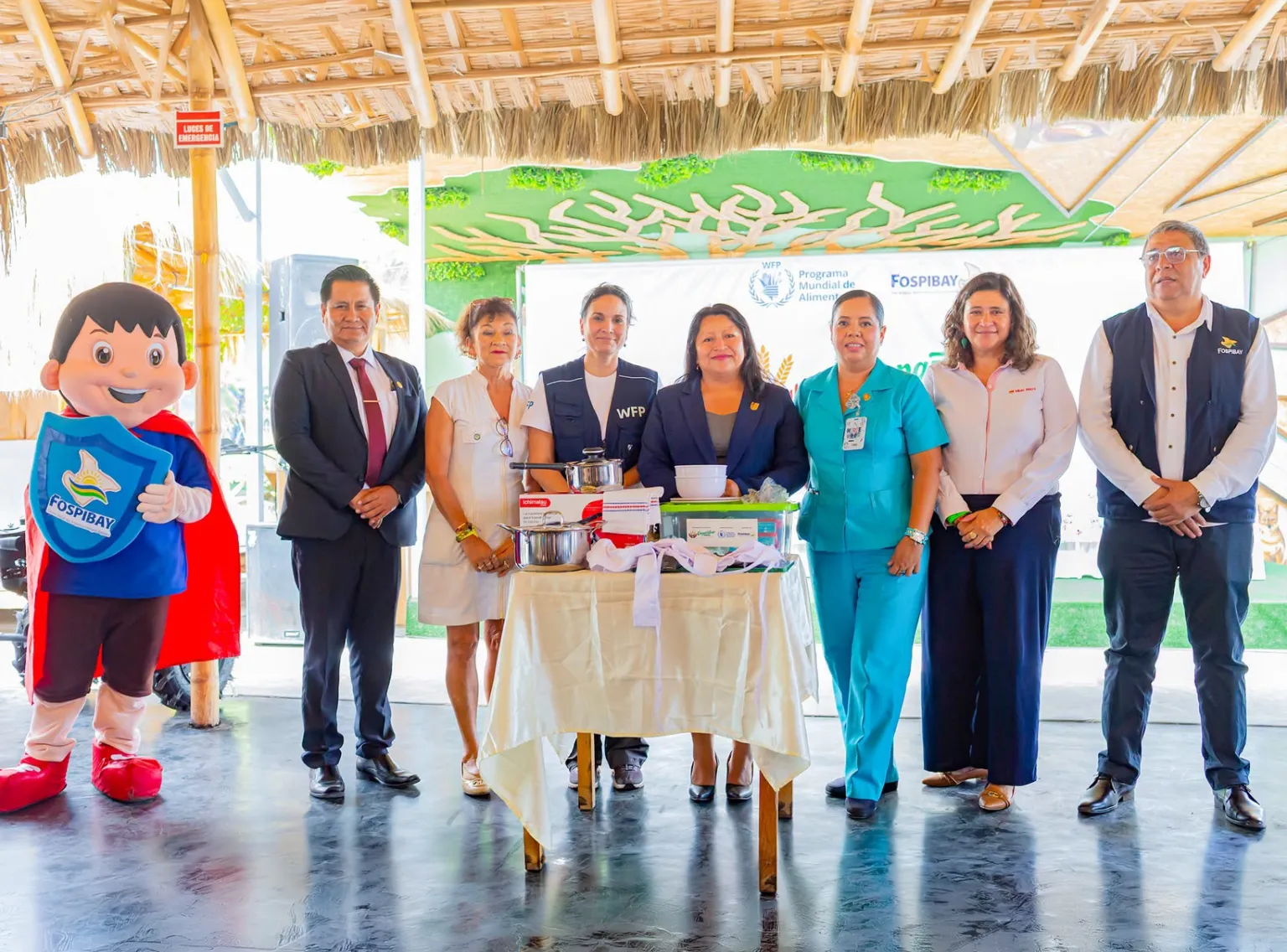
- The Culmination (The Expo Feria): The project reached a celebratory milestone with the "Compartiendo la Mesa desde las Manos de Sechura" (Sharing the Table from the Hands of Sechura) Expo Feria, which showcased the tangible results of two years of labor and quantified the economic impact for the community.
Data-Driven Impact: The Numbers Behind the Success
The metrics of the Sechura initiative reveal a transformation that is as much about volume as it is about value. The project’s data underscores the efficacy of targeted investment in rural development:
- Direct Economic Injection: The commercialization of 283,000 kilograms of fresh produce generated over S/ 1.2 million. This revenue represents a significant leap in disposable income for the participating households, allowing for investments in farm infrastructure, education, and healthcare.
- Scalable Human Capital: A total of 2,073 farmers completed the capacity-building program. This creates a resilient workforce capable of adapting to climate volatility and market shifts.
- Institutional Integration: By successfully supplying schools and public canteens, the program has secured a consistent "anchor" demand for local farmers, which serves as a hedge against the fluctuations of retail markets.
- The Mining Connection: A unique aspect of this success is its funding source. FOSPIBAY is fueled by mining activity in the region, specifically through the contributions of Miski Mayo. To date, Miski Mayo has contributed S/ 587 million—an impressive 97% of the fund’s total resources. This model demonstrates how the extraction industry can play a proactive role in diversifying a regional economy, effectively "seeding" the land for future generations.
Official Perspectives: Aligning Public and Private Interests
The success of the Sechura initiative has drawn praise from both the development sector and the corporate world. Representatives from the World Food Programme have highlighted the initiative as a "global best practice" for how international organizations can partner with local social funds to create lasting impact.

From the perspective of FOSPIBAY, the project represents a fulfillment of their mandate to manage mining royalties in a way that generates permanent, non-extractive wealth. "Our goal is to ensure that when the mine eventually closes, Sechura remains a vibrant, self-sustaining agricultural hub," noted a spokesperson during the Expo Feria.
Miski Mayo’s role in this is pivotal. By consistently fulfilling its financial commitments to FOSPIBAY, the company has provided the liquidity necessary for long-term projects that require years to bear fruit. The company’s contribution isn’t merely financial; it is a strategic investment in the social license to operate, ensuring that the local community views the project as a partner in their development.
Implications for the Future: Strengthening Food Security
The implications of this program extend far beyond the borders of Sechura. As global supply chains face increasing instability, the movement toward decentralized, regional food production is becoming a strategic priority for governments worldwide.
1. The Resilience of Family Farming
Smallholder agriculture is the backbone of food security in rural Peru. By providing the tools for these families to transition from subsistence to commercial scale, the project is effectively insulating the region against food inflation and external supply shocks.
2. Market Access as an Engine of Equality
The struggle for small farmers is rarely about their ability to grow produce, but rather their inability to navigate the bureaucracy of the formal market. By helping 36 associations obtain the Sello de Origen, the project has effectively democratized access to the market. Now, a small cooperative in Sechura can bid for contracts that were previously reserved for large-scale agro-industrial firms.
3. A Model for "Mining Regions"
The Sechura model provides a blueprint for other regions in the Andes and beyond. It moves away from the "paternalistic" model of corporate social responsibility, where companies simply donate goods, toward an "empowerment" model where they invest in the infrastructure and knowledge needed for community independence.

4. Sustainability and Climate Adaptability
With the ongoing threat of climate change, the technical training provided through SENASA and the Field Schools is vital. Farmers are now better equipped to implement water-saving irrigation systems and select crop varieties that are more resilient to the shifting environmental conditions of the northern coast.
Conclusion: A Harvest of Hope
The two-year journey of the FOSPIBAY-WFP initiative is a testament to the power of structured, collaborative intervention. By marrying the capital of the mining sector with the technical expertise of international development organizations and the grit of the local farming community, Sechura has created a scalable, successful model for economic development.
As these 2,000 farmers continue to cultivate their lands, the impact of this project will ripple outward, improving the nutritional status of children in schools, increasing the stability of local businesses, and providing a stable foundation for the next generation of agriculturalists. In the end, the "hands of Sechura" have proven that with the right investment and support, agriculture is not just a way of living—it is the bedrock of a thriving, modern economy.
The success of this initiative is a reminder that when institutional support meets local ambition, the results are more than just numbers on a balance sheet; they are the tangible, daily improvements in the lives of thousands of families. As the project enters its next phase, the focus will shift from initial capacity building to expansion and long-term sustainability, ensuring that the seeds planted today continue to yield a harvest of prosperity for decades to come.