Executive Summary: A Strategic Push for Regional Development
The Ministry of Transport and Communications (MTC) of Peru has unveiled an ambitious roadmap to transform the digital landscape of the Junín region. Through a series of strategic interventions, the government aims to bridge the persistent connectivity gap that has historically hindered economic and educational progress in the Andean highlands. By leveraging advanced spectrum management, public-private partnerships, and the optimization of existing fiber-optic infrastructure, the MTC is setting the stage for a comprehensive digital upgrade.
During a high-level coordination meeting, Viceminister of Communications Dalia Suárez Salazar outlined a multi-faceted approach to addressing connectivity challenges. The plan, which has received support from local representatives, focuses on both immediate rural coverage and long-term 5G deployment in critical public service hubs. This initiative represents a pivot from reactive maintenance to a proactive, technology-driven development strategy designed to integrate Junín into the national digital economy.
Chronology of Connectivity Efforts: From Foundations to Future-Proofing
The journey toward universal connectivity in Junín has been a progressive effort involving various regulatory and infrastructure phases.
Phase 1: Addressing the Immediate Deficit
Historically, connectivity in Junín was fragmented. To mitigate this, the MTC initiated a series of regulatory mechanisms, including the strategic reordering of the 2.3 and 2.5 GHz spectrum bands. These actions were specifically designed to allow operators to expand their footprint without the technical bottlenecks that plagued previous deployments. Through these efforts and the application of "Canon por Cobertura" (Coverage Canon) agreements, 329 localities across the region have already been connected to mobile networks.
Phase 2: Strengthening the Backhaul
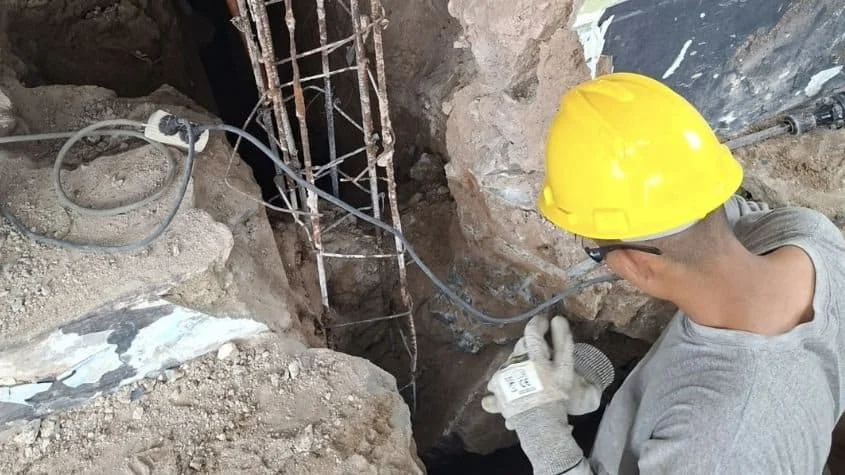
The development of the Red Dorsal Nacional de Fibra Óptica (RDNFO) marked a turning point in regional capacity. With 23 active nodes distributed across Junín’s provinces, the region now possesses the skeletal framework required for high-speed internet and advanced mobile services. Currently, this infrastructure is managed by PRONATEL, serving as a wholesale transport layer that enables private telecommunications firms to reach final users in remote and underserved areas.

Phase 3: The 2026-Beyond Horizon
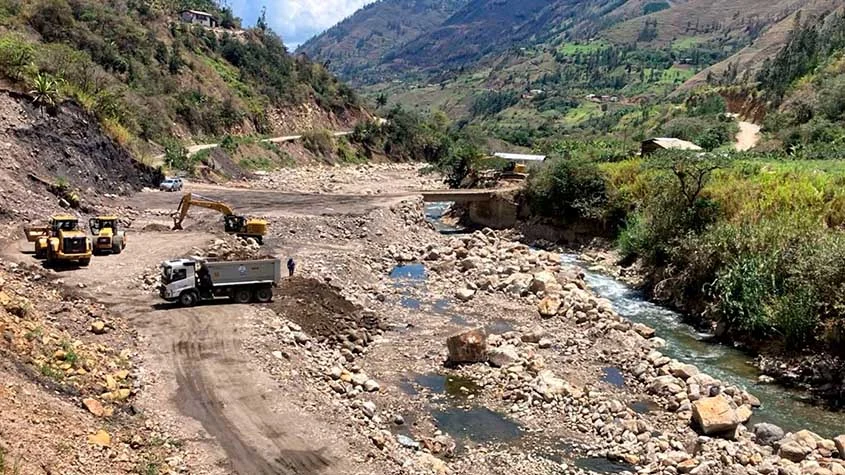
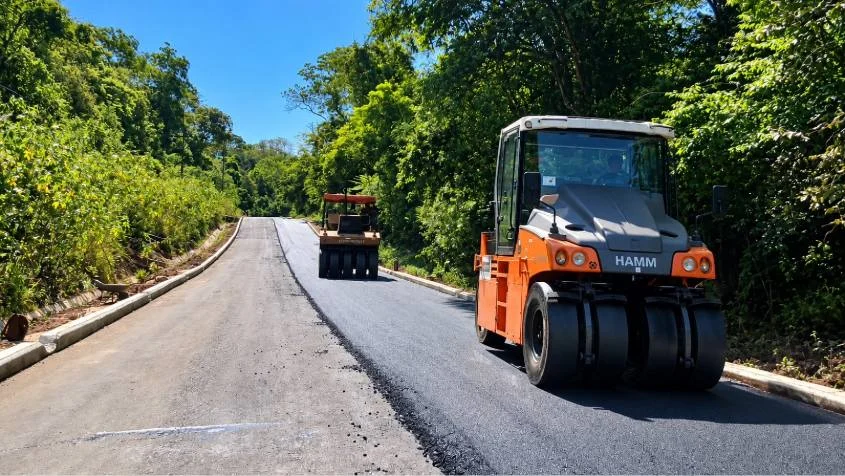
The current phase, as outlined by Viceminister Suárez, shifts focus toward intensive infrastructure density. With the integration of 3.5 GHz band concessions, the roadmap for 2026 and beyond includes a massive rollout of 4G services to an additional 72 localities and the extension of coverage along 79.47 kilometers of critical regional highways.
Supporting Data: Infrastructure and Targets
The success of these initiatives is anchored in measurable targets that provide transparency to the public and accountability to the operators.
Connectivity Metrics
- Existing Coverage: 329 localities currently serviced via spectrum reordering and 4G auctions.
- Short-term Expansion (2026): 72 additional localities scheduled for 4G integration via the Coverage Canon mechanism.
- Highway Connectivity: 79.47 kilometers of road network to receive enhanced 4G mobile coverage.
- Institutional 5G Deployment: 33 schools, 3 hospitals, and 3 public universities are slated for high-speed 5G connectivity, prioritizing sectors that serve as the bedrock of regional development.
The Role of the Red Dorsal (RDNFO)
The RDNFO is not merely a project; it is the economic engine of Junín’s digital future. By utilizing these nodes, operators can bypass the high costs of building independent backhaul networks, effectively lowering the barrier to entry for providing affordable services. The MTC is currently finalizing a comprehensive study of the RDNFO, aimed at identifying the most efficient commercial and operational models to maximize the utility of this network. This study is expected to be finalized before the end of the year, providing a blueprint for the next decade of regional digital infrastructure.
Official Responses and Stakeholder Perspectives
The collaboration between the central government and regional legislators is essential to the success of these projects. During the recent meeting, Congresswoman Gina Duarte emphasized the importance of transparency and the need for a synchronized effort to ensure that technology reaches the most isolated corners of the department.
"The goal is not just to install towers," said Congresswoman Duarte, "but to ensure that every citizen, from the student in a rural classroom to the merchant in a provincial market, can access the information, education, and economic opportunities that digital connectivity provides."

Viceminister Dalia Suárez Salazar reinforced this, stating, "Our commitment is to reduce the digital divide by creating a sustainable ecosystem. By coupling our infrastructure investments with clear regulatory frameworks like the 3.5 GHz concessions, we ensure that operators are incentivized to invest in regions like Junín, where the socioeconomic impact is greatest."
Implications for the Region
The implications of this comprehensive digital strategy are vast, touching on healthcare, education, and commerce.
Educational Transformation
By prioritizing 33 schools for 5G connectivity, the MTC is facilitating a shift in pedagogical methods. High-speed, low-latency internet allows for real-time video conferencing, access to international digital libraries, and the implementation of AI-driven educational platforms. This ensures that a student in a rural district of Junín has access to the same quality of digital resources as a student in the capital.
Healthcare Accessibility
The deployment of 5G in three major hospitals will enable the expansion of "Telehealth" initiatives. Specialist consultations, remote diagnostics, and the rapid transmission of large medical imaging files will become standard practice, significantly reducing the need for patients to travel to larger cities for basic medical assessments.
Economic Development
The expansion of mobile coverage along 79.47 km of highway is more than a convenience for travelers; it is an economic lifeline for the logistics and tourism sectors. Enhanced connectivity allows for better coordination of supply chains, real-time tracking of agricultural exports, and safer transit for passengers and goods. Furthermore, as the RDNFO becomes more fully utilized, the cost of data is expected to drop, fostering a more competitive market for local entrepreneurs and digital service providers.

Conclusion: A Sustained Commitment to Digital Inclusion
The MTC’s current strategy for Junín represents a sophisticated understanding of modern telecommunications policy. By balancing the immediate need for 4G coverage with the forward-looking integration of 5G, the government is ensuring that Junín is not left behind in the global digital transition.
The forthcoming study on the RDNFO will be a defining document for the region. As the ministry moves toward the end of the year, the focus will remain on execution and monitoring. The progress made in 329 localities is only the beginning. As the 72 new localities come online and the institutional 5G targets are met, Junín is poised to become a model for regional connectivity in Peru.
Ultimately, the digital divide is not merely a technological gap; it is a socio-economic barrier. By treating connectivity as a fundamental utility—similar to electricity and water—the Ministry of Transport and Communications is laying the groundwork for a more equitable and prosperous Junín. The collaboration between the MTC and local leaders serves as a blueprint for how national infrastructure projects should be managed: with clear data, measurable targets, and a firm commitment to the needs of the population.