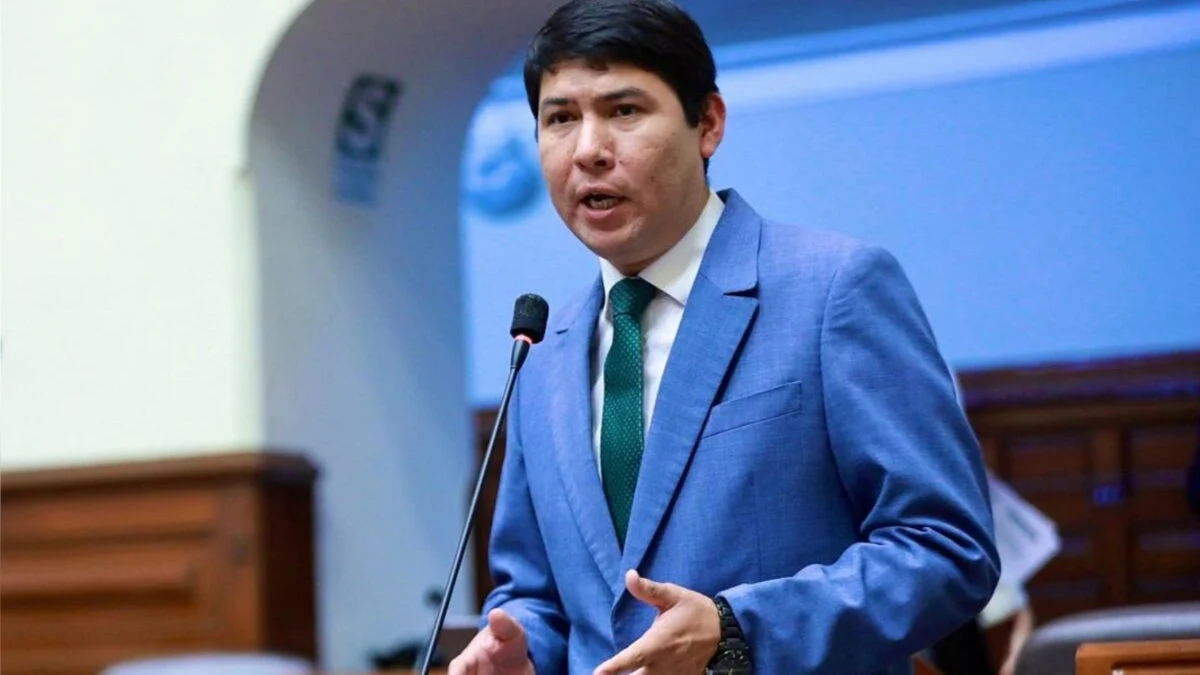
In a significant move aimed at reshaping the landscape of the Peruvian labor market, Eduardo Castillo, a legislator from the Fuerza Popular party and the newly appointed president of the Congressional Labor Commission, has announced a strategic pivot in how the state interacts with its workforce. Central to this agenda is a critical review of the stringent experience requirements currently demanded by public institutions—a move designed to open doors for recent university graduates who are currently locked out of the professional sphere.
As the nation grapples with shifting economic tides and persistent informal employment, the commission’s new direction suggests a departure from traditional punitive oversight, favoring instead a model of facilitation and integration.
The Core Challenge: The "Experience Trap" for Graduates
The primary issue highlighted by Castillo is the paradoxical nature of state-mandated job requirements. For decades, many entry-level positions within the public sector have required several years of verified professional experience. For a recent graduate, this creates a "Catch-22" scenario: one cannot gain experience without a job, but one cannot secure a job without prior experience.
"I have heard many young people express their frustration," Castillo stated in an interview with RPP. "The references and experience thresholds demanded by the State for positions within the State itself are simply too high for those who have just finished their university studies. It is imperative that we review these requirements, listen to the grievances of our youth, and formulate a concrete plan of action to bridge this gap."
Castillo argues that by lowering these barriers, the state can act as a catalyst for professional development, allowing the next generation of Peruvian talent to contribute to public administration while building the essential skills required for the broader economy.
Chronology: A Shift in Legislative Strategy
The trajectory of this initiative can be mapped against the backdrop of recent political and economic events:
- Mid-2026 (Second Quarter): Data from the National Institute of Statistics and Informatics (INEI) reveals a troubling trend: approximately 215,000 young people exited the Peruvian labor force compared to the previous year. This exodus signaled a crisis of confidence in the formal market.
- August 2026: Eduardo Castillo assumes the presidency of the Congressional Labor Commission, signaling a change in leadership after years of the committee being under the stewardship of left-leaning factions.
- September 2026: Following the publication of an Ipsos study for ComexPerú—which identified state fiscalization as a primary burden for small businesses—Castillo formally announces that the Commission will prioritize the "facilitation" of labor formalization over the "persecution" of informal workers.
- Late September 2026: The Commission initiates a series of outreach programs, including visits to university campuses across the country, to collect qualitative data from students and recent graduates regarding the specific obstacles they face when entering the job market.
Supporting Data: The Reality of the Peruvian Workforce
The urgency of Castillo’s proposal is underscored by sobering economic indicators. According to the latest INEI reports, the second quarter of the year saw a significant drop in youth labor participation. More concerning is the fact that nearly 84% of young people who remain employed are trapped in the informal sector, lacking social security, employment contracts, and long-term stability.
Especialists consulted by the commission have highlighted three primary factors contributing to this decline:
- Skills Mismatch: The curriculum of many educational institutions is not fully aligned with the technical demands of the modern, digitalized economy.
- Regulatory Burden: As the Ipsos study noted, the complexity of state regulation and excessive fiscalization acts as a deterrent for companies looking to hire young, inexperienced workers formally.
- The "Glass Ceiling" of Experience: The arbitrary years-of-service requirements in public procurement and administrative roles.
These factors combined have created a "lost generation" of workers who are either underemployed, working informally, or entirely disengaged from the workforce.
A New Philosophy: From Fiscalization to Facilitation
One of the most radical departures in Castillo’s platform is his stance on the informal sector. Historically, state policy has focused on monitoring and punishing informal enterprises. Castillo proposes a fundamental inversion of this logic.
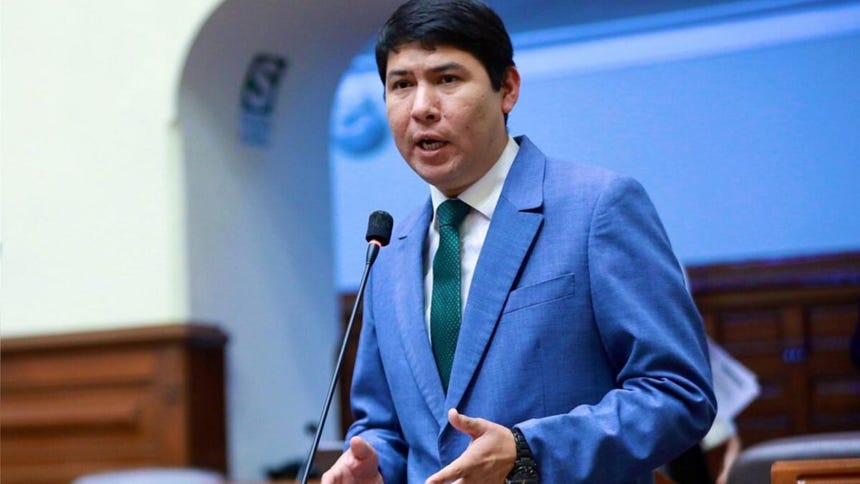
"To the informal worker, we should not be a force of persecution; we should be a provider of facilities," Castillo explained. "This was a cornerstone of the administration’s original vision. We are now in a position to empower the Commission to replace punitive measures with tools for growth. We want to provide the infrastructure and the legal framework that allows a micro-entrepreneur or a small business to transition into the formal economy with ease, rather than fear."
This approach acknowledges that the primary obstacle for many businesses is not a desire to operate outside the law, but the overwhelming complexity of doing business legally in Peru.
Implications for the Future: Regional Realities and External Threats
The Congressional Labor Commission is not operating in a vacuum. Its agenda must also contend with the looming threat of the Fenómeno El Niño Costero, which continues to pose a significant risk to the nation’s economic stability.
The Regional Perspective
Castillo has been vocal about the divide between the capital and the interior of the country. "Talking about Lima and the large corporations is one thing; talking about the regions is entirely different," he noted. The Commission’s agenda includes specific provisions for the agricultural, fishing, and mining sectors, which are the lifeblood of regional employment but are also the most vulnerable to climate-related disruptions.
Legislative Delegations
The Commission is currently drafting a comprehensive report on the "delegation of faculties" requested by the Executive branch. This includes specific mandates related to labor reform. This report will be a critical litmus test for the relationship between the legislative and executive branches, as the proposed reforms to labor law will ultimately require the approval of the Constitutional Commission.
Official Responses and Next Steps
The proposal has received a cautious but generally positive reception from industry analysts. While business associations have long called for a reduction in the "red tape" of hiring, labor rights advocates are watching closely to ensure that "facilitation" does not equate to the erosion of worker protections.
Castillo remains committed to an evidence-based approach. The Commission’s ongoing campus visits are not merely symbolic; they are intended to serve as the foundation for a legislative package that will be introduced in the coming months.
"Before we define the final measures, we must listen," Castillo concluded. "We are collecting the proposals and the genuine concerns of the youth. We aren’t going to impose a top-down solution. We are building this from the bottom up, ensuring that the next generation of Peruvians has the security and the opportunity they deserve."
As the Commission moves forward, the success of these reforms will depend on the government’s ability to balance the need for labor market flexibility with the protection of fundamental labor rights. If successful, this could mark the beginning of a significant cultural shift in the Peruvian state’s role—from a bureaucratic gatekeeper to an engine of economic opportunity.