Executive Summary: The Path Toward a Living Wage
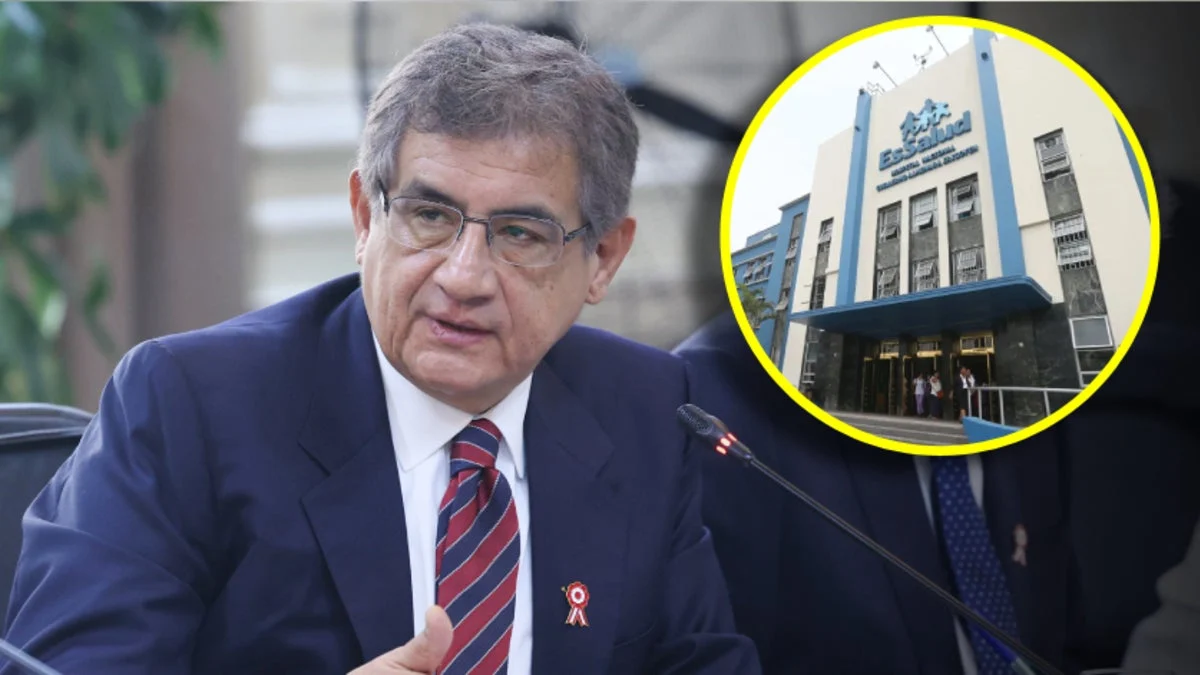
The Peruvian government, through the Ministry of Labor and Employment Promotion, has reaffirmed its commitment to raising the national minimum wage (Remuneración Mínima Vital – RMV) to a threshold of S/ 1,300. Minister Juan Sheput recently confirmed that the remaining S/ 70 required to reach this target is slated for implementation within the first half of the upcoming year. However, this policy adjustment is not being pursued in a vacuum; it is tethered to a rigorous evaluation of the macroeconomic landscape, heavily influenced by the looming threat of the El Niño climate phenomenon.
The government’s balancing act—between honoring social promises to workers and safeguarding the solvency of small and medium-sized enterprises (SMEs)—serves as the central pillar of current labor policy. As the administration prepares for potential environmental shocks, it is also recalibrating its social safety net, exploring targeted bonuses, and revisiting legal frameworks for labor flexibility, such as the "perfect suspension" of work.
Chronology of the RMV Adjustment
The journey toward the S/ 1,300 minimum wage has been incremental, designed to allow the private sector time to adjust to rising labor costs.
- Initial Phase: The government previously implemented an initial increase of S/ 100, which was accompanied by specific support measures for micro and small enterprises (MYPEs) to mitigate the sudden impact on their payrolls.
- The Current Stance: Minister Sheput’s recent statements on the RPP program Prueba de Fuego clarified that the final S/ 70 installment is intended for the first semester of 2027. This timeline is subject to change based on the severity of climate-related disruptions.
- Future Outlook: The administration remains committed to the target but has explicitly stated that it will not impose "further blows" to the private sector if the economic damage caused by climate instability becomes too severe.
Supporting Data and Economic Context
To understand the gravity of the Minister’s decision, one must look at the variables currently impacting the Peruvian economy.
The Climate Variable: El Niño
The El Niño phenomenon is a recurring climate pattern that historically results in torrential rains, flooding, and the destruction of infrastructure in northern Peru, while causing droughts in the southern highlands. These factors drastically reduce agricultural output, paralyze transport logistics, and increase operational costs for businesses across the country. The Ministry of Labor is currently cross-referencing meteorological projections with industrial output data to determine the fiscal space available for wage hikes.
Targeted Social Support
The government is moving away from the "blanket" approach used during the COVID-19 pandemic. Minister Sheput highlighted that the distribution of future economic bonuses will be data-driven. By integrating the Electronic Payroll (Planilla Electrónica), the National Household Survey (ENAHO), and the database of the Ministry of Development and Social Inclusion (MIDIS), the state aims to ensure that aid reaches the most vulnerable sectors of the workforce.
Official Responses and Strategic Policy
Minister Sheput’s recent address emphasized a shift toward precision in labor governance. He highlighted that the government is seeking to learn from the administrative failures of previous aid programs.
Refining the Bonus System
The criticism surrounding pandemic-era subsidies—where funds were allegedly distributed to households that did not meet the true criteria for "vulnerability"—has pushed the current administration to adopt a more rigorous verification process. The goal is to provide a safety net for workers whose income may be compromised by El Niño, without placing an undue burden on the national treasury.
Corporate Support for SMEs
Recognizing that micro and small enterprises are the backbone of the Peruvian economy, the government is working in tandem with the Ministry of Economy and Finance to refine the subsidy package for companies with between two and ten employees. This measure, tied to the initial S/ 100 increase, is seen as a blueprint for how the government plans to handle the final S/ 70 hike.
Implications for the Labor Market
The "Perfect Suspension" Debate
One of the most contentious topics discussed by the Minister was the "Perfect Suspension of Labor" (Suspensión Perfecta de Labores). This legal mechanism allows an employer to temporarily cease operations and stop paying wages when environmental or economic conditions make work impossible.
- Definition: Under this status, the employment bond is temporarily severed regarding the obligation to work and the obligation to pay.
- The Minister’s Stance: Sheput characterized this as a measure of "last resort." He emphasized that before resorting to such a drastic step, companies should explore alternatives like teleworking, mandatory vacation scheduling, or flexible hours.
- Regulatory Oversight: The Ministry is currently strengthening its inspection capacity. By signing agreements with regional governments, the central authority hopes to decentralize labor oversight, ensuring that the use of "perfect suspension" is not abused by employers to circumvent labor obligations.
The Informal Economy Challenge
A significant portion of the Peruvian workforce operates within the informal sector, where the RMV has little to no legal applicability. The Minister’s focus on formalizing labor through better oversight is an attempt to draw more workers into the protected system. However, experts argue that if the RMV increases too quickly without a corresponding increase in productivity, it may inadvertently push more small businesses into the informal sector to avoid the rising costs of compliance.
A Nuanced Future
The path forward for the Peruvian labor market is defined by uncertainty. Minister Sheput’s comments indicate a government that is attempting to be both compassionate toward the worker and pragmatic regarding the realities of the business environment.
Key Takeaways for Stakeholders:
- Flexibility is Key: The S/ 1,300 target is firm, but the schedule is fluid. Stakeholders should anticipate a decision based on the intensity of the upcoming rainy season.
- Data-Driven Aid: Future bonuses will be highly targeted. Workers and businesses should ensure their records in official databases are updated to avoid administrative disqualification.
- Last-Resort Mechanisms: The government is signaling that it will monitor the use of the "Perfect Suspension" strictly. Businesses should view this as a last-ditch option rather than a primary tool for cost management.
As the government continues to weigh these competing interests, the focus remains on maintaining social stability. The upcoming months will be critical, as the Ministry of Labor coordinates with regional authorities to finalize the infrastructure of labor supervision, ensuring that when the final wage adjustment is made, the economy is sufficiently resilient to sustain it.
The administration’s promise to "not strike another blow" to the business sector reflects a newfound awareness that the prosperity of the worker is inextricably linked to the health of the enterprise. Whether this balance can be maintained in the face of a severe climate event remains the central question for the remainder of the current term.
This article summarizes the primary points of the ministerial interview regarding the Peruvian labor market, providing context on the economic, climatic, and social factors currently shaping public policy in the Andean nation.