By Financial News Desk
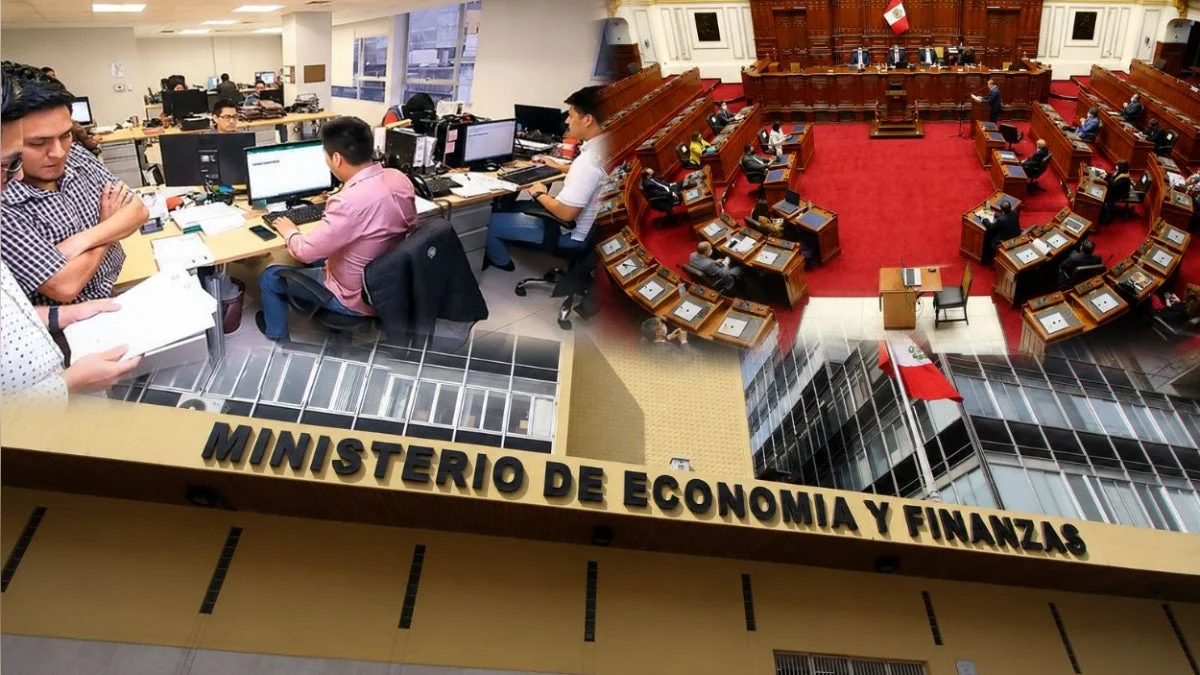
In a decisive move to shield the Peruvian economy from a confluence of external and climatic shocks, the administration of President Keiko Fujimori, led by Minister of Economy and Finance Elmer Cuba, has announced a massive fiscal stimulus package totaling S/ 18 billion. This "historic" intervention is designed to counteract what the government has termed the "three recessive forces": the looming impact of an unprecedented El Niño phenomenon, the global surge in petroleum prices, and the tightening of international interest rates.
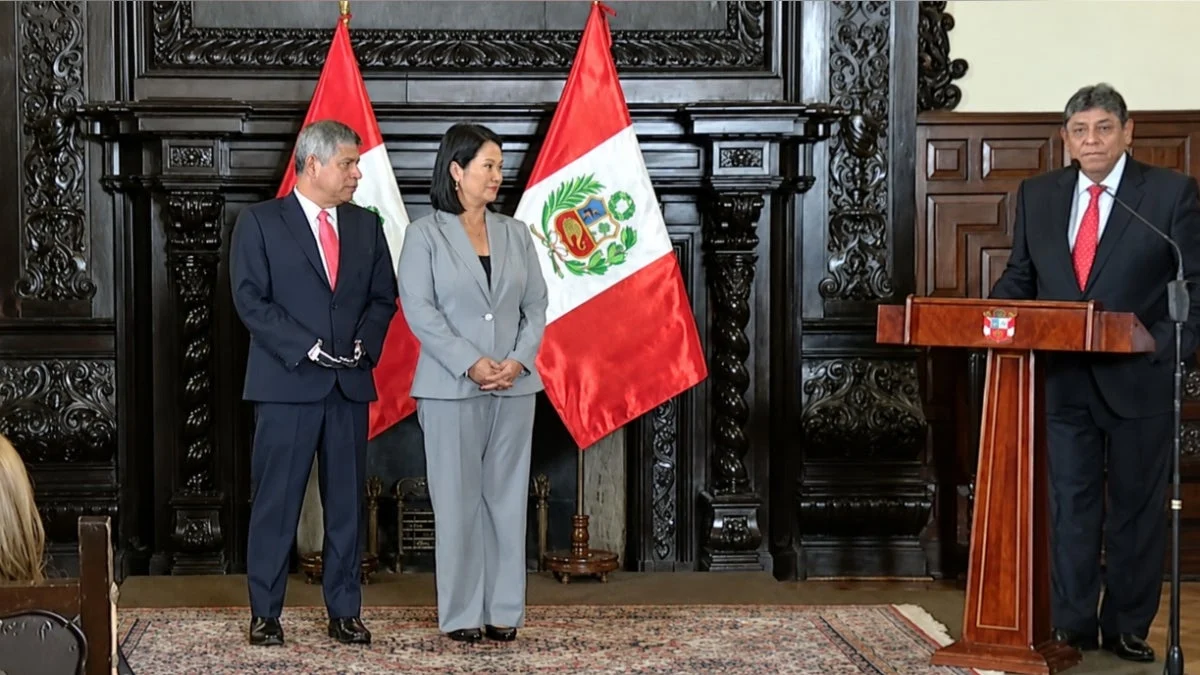
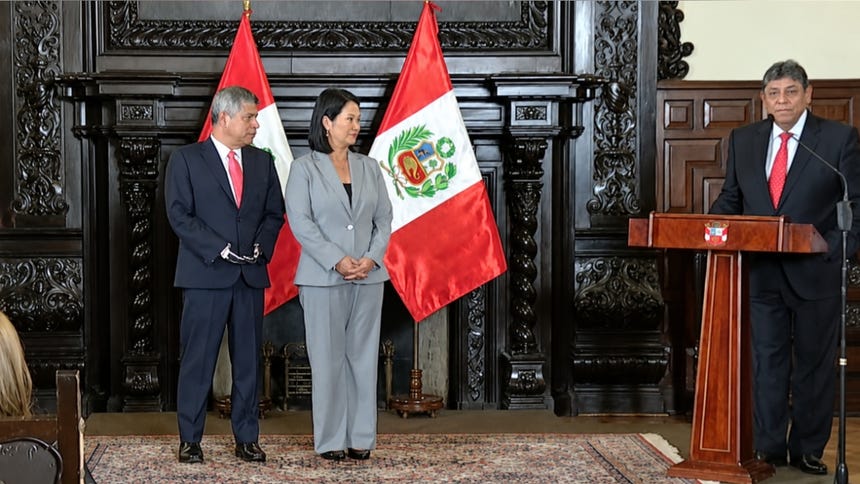
The announcement, delivered in a joint press conference at the Presidential Palace, marks a shift toward aggressive counter-cyclical policy, aimed at protecting the most vulnerable segments of the population while simultaneously injecting liquidity into the national infrastructure and corporate sectors.
The Triple Threat: Contextualizing the Economic Crisis
The Peruvian government has framed this package as an urgent defensive maneuver. According to Minister Elmer Cuba, the nation is navigating a unique period of global instability.
1. The "Mega" El Niño Phenomenon
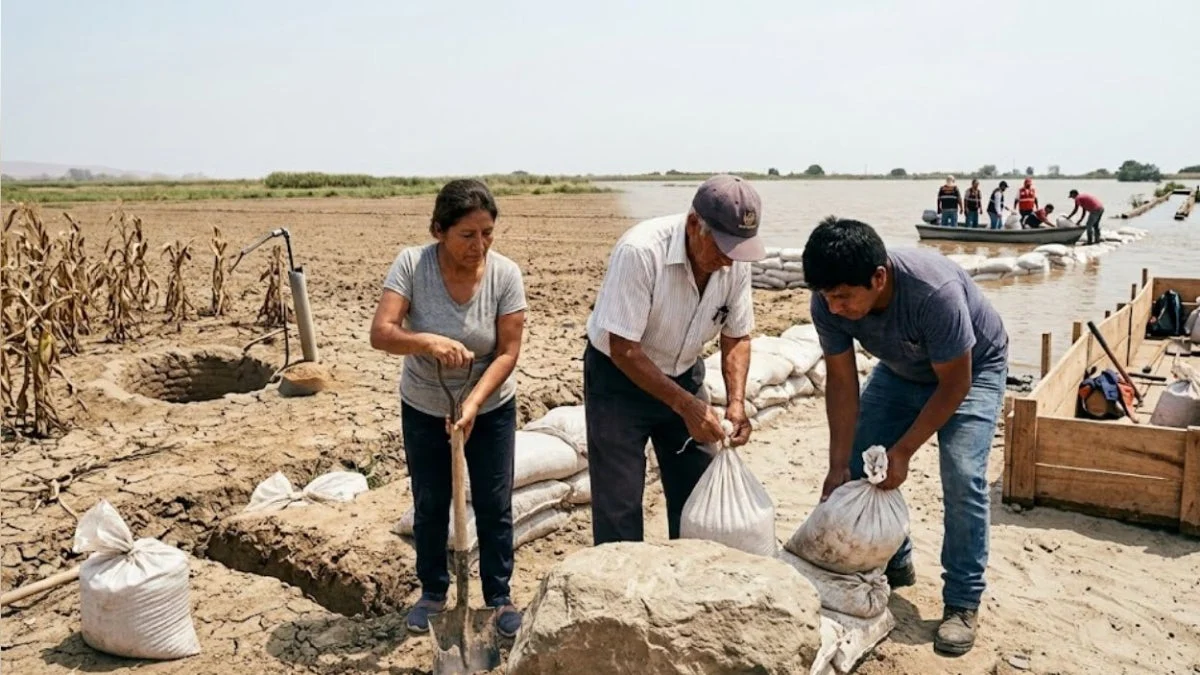
Meteorological projections for the coming months indicate an El Niño event of significant magnitude, potentially exceeding the destructive capacities of the 1983 and 1998 cycles. These historical events are remembered for devastating critical infrastructure, paralyzing agricultural output, and triggering catastrophic flooding in the northern regions of Peru. The government’s proactive stance acknowledges that the intensity of this cycle is nearly unprecedented in the last 70 years.
2. Global Energy Inflation
The persistent rise in crude oil prices has placed upward pressure on domestic inflation, impacting transport, logistics, and consumer goods. By subsidizing fuel costs and supporting household purchasing power, the Ministry of Economy and Finance (MEF) aims to prevent the "imported inflation" from eroding the standard of living for the lower and middle classes.
3. International Monetary Tightening
With global interest rates remaining elevated, borrowing costs for emerging markets have climbed, limiting private investment and increasing debt-servicing burdens. Peru, despite its strong macroeconomic reputation, is not immune to these global trends, which have constrained credit availability for local businesses.
Chronology of the Policy Rollout
The road to this announcement has been marked by weeks of intense inter-ministerial deliberations.
- Initial Consultations (Early October): Minister Elmer Cuba began signaling to media outlets, including RPP, that the government was crafting a comprehensive support mechanism to bolster the economy.
- Inter-Agency Coordination (Mid-October): The MEF held high-level meetings with the Superintendent of Tax Administration (SUNAT) and other key stakeholders to ensure the fiscal feasibility of the plan.
- The Announcement (October 22, 2026): President Keiko Fujimori officially unveiled the S/ 18 billion "Protection and Reactivation Plan," emphasizing that the state’s response is proportional to the severity of the anticipated climate events.
- Implementation Phase (Immediate): The government has begun categorizing the priority projects for the 2027 fiscal year, with specific mechanisms for the distribution of temporary bonuses expected in the coming weeks.
Supporting Data and Fiscal Solvency
A central pillar of the administration’s narrative is the country’s fiscal health. President Fujimori highlighted that despite the high cost of the stimulus, Peru remains one of the most solvent economies in the region.
Macroeconomic Indicators
- Fiscal Deficit: 1.6% (maintained at sustainable levels).
- Public Debt: 30% of GDP, a figure that remains among the lowest in Latin America, providing the government with the necessary "fiscal space" to undertake this borrowing.
- Creditworthiness: The administration maintains that these indicators place Peru in the "top decile" of global economies, allowing it to act where other, more indebted nations might be paralyzed.
Minister Cuba emphasized that the funding for the S/ 18 billion package is not a sign of economic weakness but a display of institutional strength. "Only solvent countries can afford such a robust response," Cuba stated, acknowledging the fiscal discipline of his predecessors as the foundation upon which this current policy rests.
The "Social Shield": Who Will Receive Support?
While the government has yet to publish the final list of beneficiaries, the MEF has provided a clear roadmap for who the "temporary bonuses" will target. The aid will be distributed over a period of three to five months to provide a bridge through the peak of the El Niño impact.
Target Demographics
- Andean Families: Specifically targeting those in the southern highlands whose livestock and agricultural livelihoods are threatened by drought or extreme cold.
- Northern Coastal Households: Families living in flood-prone areas where torrential rains threaten to destroy homes and local infrastructure.
- Lima Peripheral Zones: Vulnerable communities located on hillsides or near riverbeds prone to huaicos (mudslides) and urban flooding.
- Pensioners: Recognizing the impact of inflation on fixed incomes, the package explicitly includes retired individuals under the ONP (Office of Pension Standardization) system.
The government maintains that the objective is to protect household consumption. By ensuring that the most vulnerable do not fall into extreme poverty due to climate-driven shocks, the state aims to maintain a baseline of social stability.
Implications: Infrastructure and Economic Reactivation
Beyond the direct cash transfers, the S/ 18 billion package includes a structural component intended to prevent the economy from stalling. The government has identified four major pillars for the distribution of these funds:
1. Maintenance of Public Infrastructure
A significant portion of the funds will be directed toward the maintenance of schools and public buildings. This serves a dual purpose: preparing for the physical impact of the "Mega Niñ," and stimulating the construction sector to generate immediate employment opportunities.
2. Acceleration of Ongoing Projects
The administration is prioritizing 250 public works projects that have already achieved a physical progress rate of over 50%. By fast-tracking these projects, the government aims to avoid the "white elephant" syndrome, where nearly finished projects are abandoned due to funding gaps.
3. Corporate Liquidity and Tax Relief
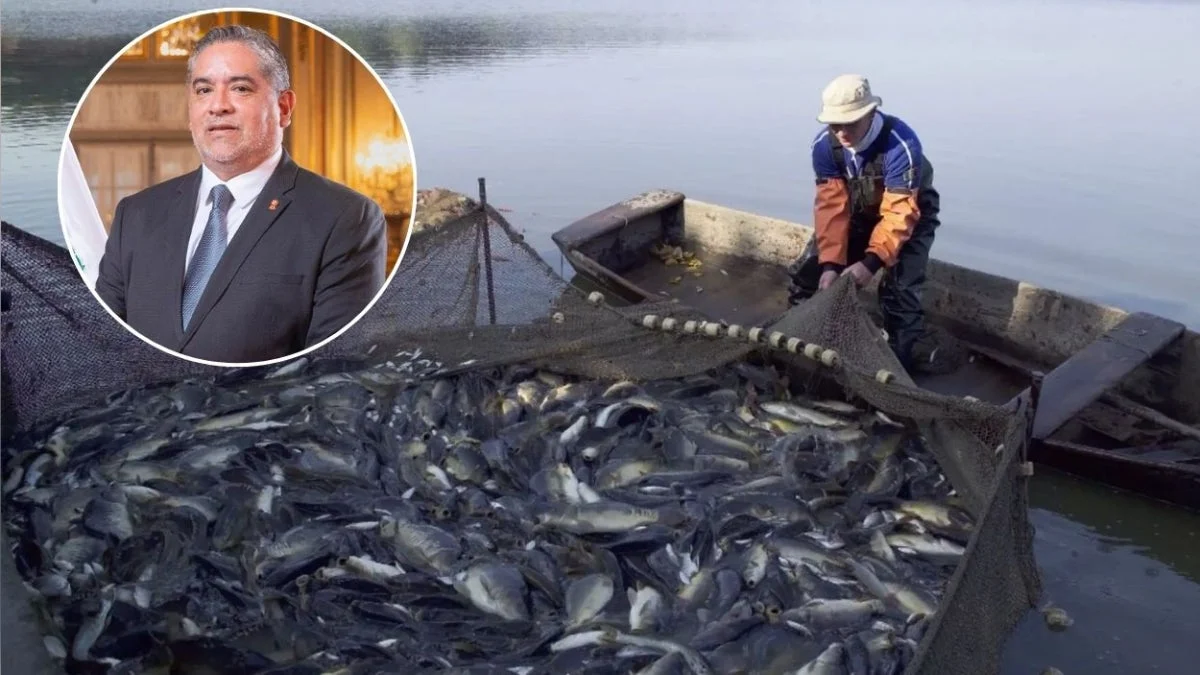
To prevent mass layoffs and business failures, the MEF is introducing tax postponement mechanisms. The fishing sector, heavily exposed to the fluctuations of the ocean temperature, has been specifically identified for relief. Furthermore, the government is looking at exonerating advance payments of income tax for businesses experiencing severe liquidity crises.
4. Financial Flexibility
The government will facilitate the release of balances from "detraction accounts" (tax withholding accounts), providing firms with immediate access to cash flow that would otherwise be tied up in bureaucratic holding accounts.
Official Responses and Political Outlook
The announcement has triggered a range of reactions across the political spectrum. President Fujimori has framed the decision as a "maximum response" to a generational challenge. Critics, however, have raised questions regarding the lack of a specific timeline for the bonus distribution and the criteria for selecting the "250 priority projects."
Minister Cuba addressed these concerns during the press conference, noting that the government’s priority was to secure the funding first, with operational details to follow. "The response is maximum, and the methodology will be transparent," he assured.
The Opposition Perspective
While the government boasts of fiscal health, some economic analysts have cautioned that a massive injection of S/ 18 billion must be managed carefully to avoid fueling further inflation. The administration maintains that because the spending is focused on production and essential support, it will not contribute to an inflationary spiral, but rather act as a vital cushion.
Conclusion: A Test of Institutional Resilience
The success of this S/ 18 billion package will be measured by two metrics: the speed at which aid reaches the vulnerable, and the efficiency with which infrastructure projects are completed. As Peru braces for the climatic upheaval of the coming year, the government has placed its credibility on the line.
By opting for a counter-cyclical fiscal stance, the Fujimori administration is attempting to prove that the Peruvian state has evolved into an agile, responsive entity. Whether this "historic" intervention will successfully mitigate the impact of the "three recessive forces" remains to be seen, but the intent to protect both the macroeconomic foundation and the social fabric of the nation is clear.
As the country awaits the onset of the El Niño season, the government’s message is one of cautious confidence: with the right fiscal tools and a commitment to protecting its people, Peru aims to weather the storm without derailing its long-term development trajectory.