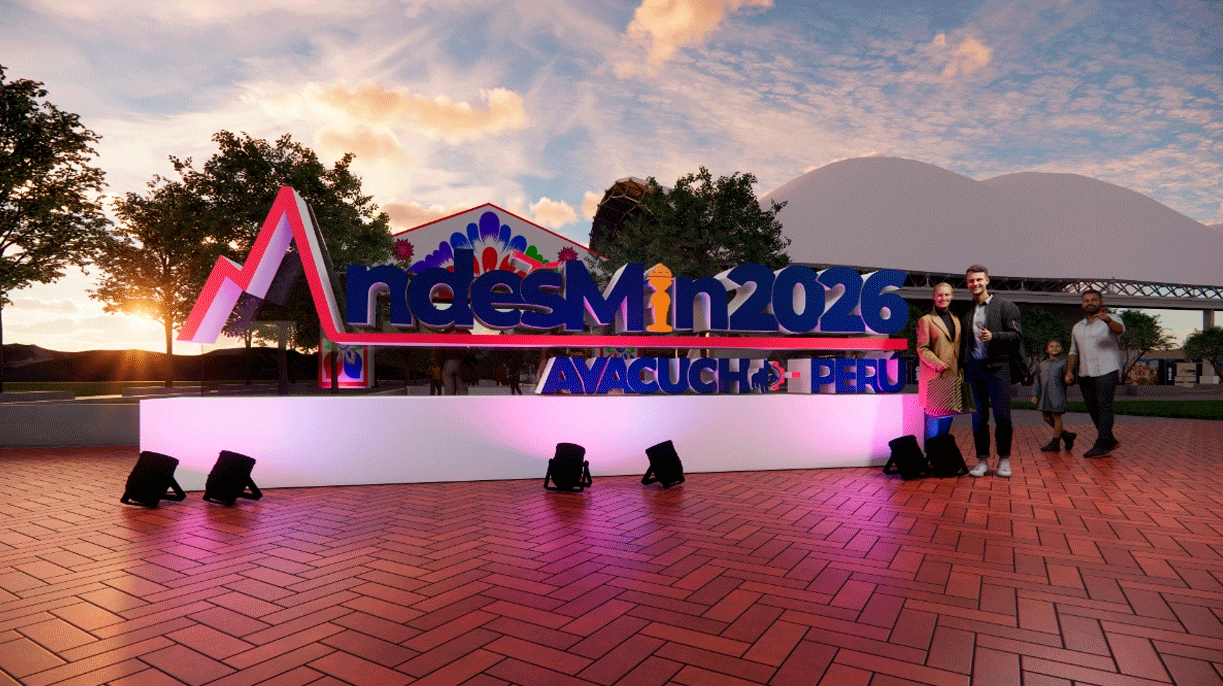
The landscape of Peruvian mining is poised for a significant transformation. As global demand for critical minerals intensifies, the regional governments of the Andean macro-region are consolidating their efforts to unlock a dormant economic powerhouse. From October 29 to November 1, 2026, the city of Ayacucho will host Andesmin 2026, the second edition of the Mining Convention of the Mancomunidad Regional de Los Andes. This summit serves as the epicenter for a coordinated push to unblock a portfolio of 21 strategic mining projects valued at over US$ 20.8 billion.
Main Facts: The Push to Unlock US$ 20.8 Billion
The core objective of Andesmin 2026 is to bridge the gap between bureaucratic hurdles and project execution. By bringing together governors from Apurímac, Ayacucho, Cusco, Huancavelica, Ica, and Junín, alongside key representatives from the Executive Branch and private sector titans, the summit aims to create a "fast-track" environment for investment.
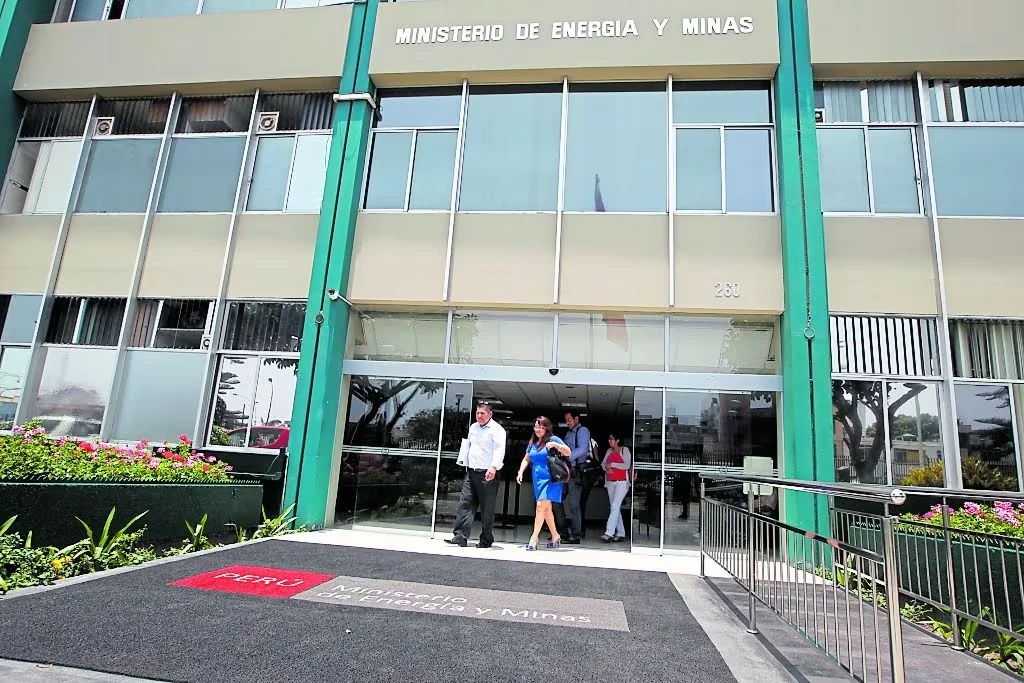
The stakes are immense. The US$ 20.8 billion in planned investment represents more than just capital; it signifies the modernization of infrastructure, the creation of thousands of formal jobs, and a substantial increase in the tax base for the Andean regions. According to the Ministry of Energy and Mines (MINEM), this capital is strategically distributed, with Apurímac acting as the primary hub, holding seven projects valued at US$ 11.88 billion alone.
Chronology: The Evolution of a Regional Mining Hub
The journey toward Andesmin 2026 did not occur in a vacuum. It is the culmination of several years of regional integration efforts:
- 2024–2025: The Mancomunidad Regional de Los Andes identifies a disconnect between local regional priorities and central government permitting processes, leading to the inaugural convention.
- Early 2026: The mining sector experiences a historic surge, with exports reaching US$ 28.96 billion between January and April, a 60.6% increase compared to the previous year. This performance acts as a catalyst, proving that the economic potential of the region is highly attractive to international markets.
- June 2026: MINEM officially adds Andesmin 2026 to its annual calendar, signaling government support and validating the importance of the event to the national interest.
- October 29 – November 1, 2026: The scheduled convention in Ayacucho, designed to finalize the strategies for the identified 21 projects.
Supporting Data: Regional Investment Breakdown
To understand the gravity of the projects at hand, one must look at the specific data provided by the Ministry of Energy and Mines. The distribution of these 21 projects reveals a diverse, copper-heavy portfolio essential for the global green energy transition:
| Region | Number of Projects | Investment (USD) |
|---|---|---|
| Apurímac | 7 | $11,888,000,000 |
| Cusco | 3 | $3,590,000,000 |
| Ica | 2 | $2,378,000,000 |
| Ayacucho | 2 | $1,519,000,000 |
| Huancavelica | 5 | $1,155,000,000 |
| Junín | 2 | $283,000,000 |
| Total | 21 | $20,813,000,000 |
This data highlights that Apurímac is not merely a regional player but a national leader in mining potential. The concentration of projects here suggests a need for concentrated infrastructure development—particularly in logistics, roads, and energy connectivity—to facilitate the transport of minerals to the coast.

Official Responses and Strategic Vision
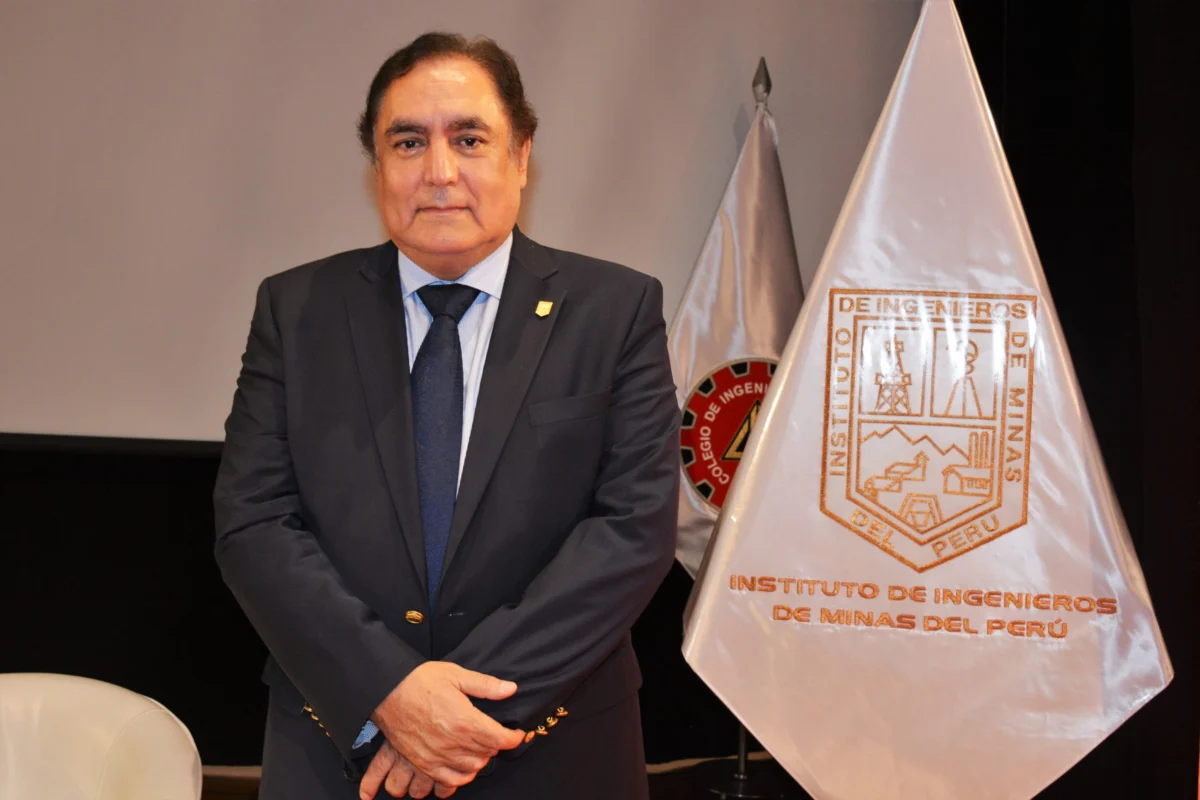
Jesús Quispe Aronés, president of the organizing committee for Andesmin 2026, has framed the convention as a milestone for regional cooperation. "Our goal is not just to talk about mining; it is to articulate the relationship between regional governments, the central Executive, and the private sector," Quispe Aronés stated. "We need to generate the necessary conditions to make these projects viable, sustainable, and socially acceptable."
The government’s inclusion of Andesmin in its official agenda signals a shift toward decentralization. By inviting regional leaders to the table, the state is attempting to mitigate the social conflicts that have historically stalled mining operations in the Andes. The focus is shifting from a top-down regulatory approach to a collaborative model where regional authorities are empowered to oversee the benefits of mining in their own territories.
Implications for the Future: Beyond Extraction
The scope of Andesmin 2026 extends far beyond traditional mining extraction. The agenda for the four-day event is comprehensive, covering several pillars critical to modern mining:
Sustainability and the "Green" Transition
With the world moving toward decarbonization, copper—the primary output of many of these projects—has become the "metal of the future." The convention will explore how these regions can contribute to the global energy transition while maintaining high environmental standards.
Technological Innovation and Artificial Intelligence
Digital transformation is no longer optional. The summit will host workshops on how Artificial Intelligence (AI) can optimize exploration, increase safety in high-altitude mining, and reduce the carbon footprint of extraction processes.
Water Management: A Critical Priority
One of the most pressing concerns for local communities is water security. The convention will dedicate significant time to discuss efficient water management technologies, including desalination plants for coastal projects and closed-loop recycling systems for mountain operations. This is a direct response to public concerns and a key component in securing the "social license to operate."

Human Capital and Talent Development
A significant challenge identified by the Mancomunidad is the gap in technical expertise. Discussions will focus on the creation of regional training programs and partnerships with universities to ensure that the local workforce is prepared for the high-tech demands of modern mining operations, thereby ensuring that the economic benefits stay within the local population.
Governance and Competitiveness
Strengthening regional governance is a central theme. The convention aims to establish clearer, more transparent communication channels between mining companies and local government entities. By improving the institutional quality of regional governments, the organizers hope to reduce the time and cost associated with project approval, thereby boosting the overall competitiveness of the Peruvian mining sector.
Conclusion: A New Chapter for the Andean Macro-region
The success of Andesmin 2026 will be measured by its ability to translate these 21 projects into shovel-ready operations. If the government and the Mancomunidad can succeed in creating a streamlined permitting process while maintaining robust social and environmental safeguards, the impact on the Peruvian economy will be profound.
As the global mining industry looks for stable, high-yield jurisdictions, Peru finds itself in a favorable position. However, the window of opportunity is time-sensitive. The collaboration showcased in Ayacucho will serve as a bellwether for the future of the nation’s mining policy. If the coordination between the state and the regions proves effective, the US$ 20.8 billion investment portfolio will serve as the engine for a new era of prosperity in the Andean macro-region, turning the challenges of the past into the industrial successes of tomorrow.
As the calendar turns toward October, all eyes in the international mining sector will be on Ayacucho, where the future of Peru’s mineral wealth is set to be decided through dialogue, innovation, and strategic collaboration.