Executive Summary: A New Path for Regional Education
In a decisive move to address long-standing infrastructure deficits, the Peruvian Ministry of Education (Minedu) has launched a comprehensive initiative focused on the physical and legal sanitation—or titling—of educational institutions across the Ica region. This strategic policy shift aims to dismantle the bureaucratic hurdles that have historically prevented the construction, expansion, and renovation of public schools. By prioritizing property formalization, the government intends to create a sustainable pipeline for modernizing educational environments, ensuring that thousands of students in the region benefit from safe, functional, and contemporary learning spaces.
The Core Challenge: Why Titling is the Foundation of Progress
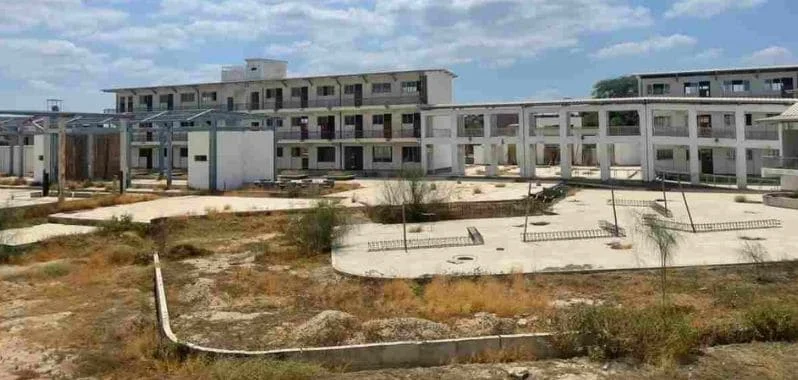
For decades, many schools in Ica have operated in a state of legal uncertainty. Without clear property titles, these institutions are often ineligible for public investment, federal funding, or large-scale infrastructure projects. The lack of formal documentation acts as a "bottleneck" that freezes the development of educational facilities, leaving students in deteriorating buildings that fail to meet modern safety standards.
The Ministry of Education has identified that legal formalization is not merely a bureaucratic task but a prerequisite for human development. By securing the legal status of the land upon which these schools stand, Minedu is effectively unlocking the potential for future capital expenditure. This initiative reflects a broader shift toward proactive regional governance, moving away from reactive emergency repairs and toward a long-term strategy of structural stability.
Chronology of the Initiative: From Dialogue to Execution
The path toward this initiative began with a series of high-level diagnostic meetings designed to bridge the gap between central government policy and local reality.
- Phase 1: Initial Diagnosis (Early 2026): Minedu technical teams conducted preliminary audits of the regional educational map in Ica, identifying a significant number of schools lacking complete legal documentation.
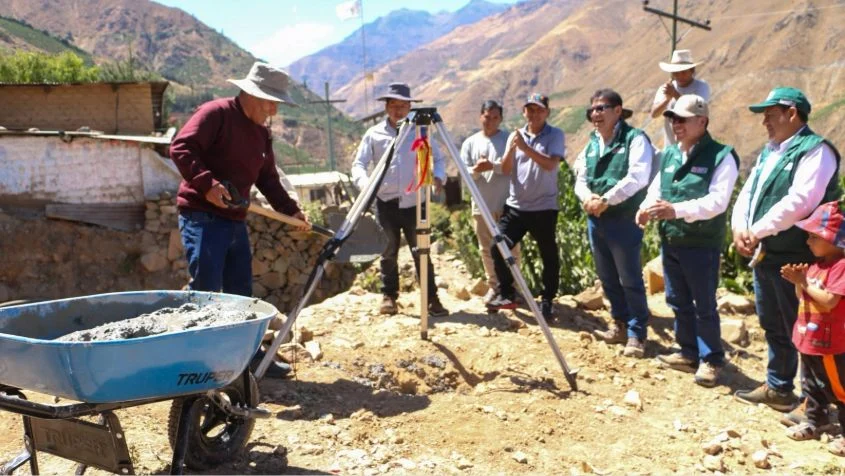
- Phase 2: Stakeholder Alignment (Mid-2026): A multi-sectoral mesa de trabajo (working group) was convened. This meeting brought together officials from the Ministry of Education, local mayors, the Department of Educational Infrastructure (DIGEIE), and representatives from COFOPRI (Agency for the Formalization of Informal Property) and SUNARP (National Superintendency of Public Records).
- Phase 3: Strategic Roadmap (Current): The working group established a formal schedule for site visits and the expedited processing of titles. The commitment is to maintain permanent communication channels between the provincial governments and central authorities to ensure that legal obstacles are resolved in real-time.
Supporting Data and Stakeholder Involvement
The complexity of the task requires a concerted effort from various branches of the Peruvian state. The success of this initiative rests on the synergy between the following key stakeholders:

- The Ministry of Education (Minedu/DIGEIE): Providing the technical expertise and the necessary funding for future infrastructure projects once the legal status is cleared.
- Local Municipalities: Acting as the primary advocates for their specific districts, identifying priority schools, and providing municipal records that aid in the title-clearing process.
- COFOPRI and SUNARP: These institutions play the most critical role in the "mechanical" aspect of the project—navigating property law, resolving land disputes, and ensuring that school boundaries are officially recognized in the national registry.
- Legislative Oversight: The involvement of representatives such as Congressman Carlos Zegarra Sánchez provides the necessary political weight to ensure that the initiative remains a priority within the national legislative agenda.
The data suggests that once the titling phase is complete, the region will be positioned to absorb a significantly higher volume of investment in "smart" school architecture, including integrated digital laboratories, earthquake-resistant design, and sustainable energy infrastructure.
Official Responses and Strategic Vision
During the recent working group session, representatives from the DIGEIE emphasized that the goal is not merely to build "four walls," but to create pedagogical ecosystems.
"The formalization of our school grounds is the foundational stone of our educational policy," noted a spokesperson for the Ministry. "Without a clear title, we cannot legally authorize the substantial financial investments required for the modernizations we envision. By working in tandem with the regional mayors and the oversight bodies, we are removing the red tape that has hindered the progress of Ica’s students for too long."
Local officials have expressed cautious optimism, noting that while the process is arduous, the commitment to "permanent working groups" ensures that the momentum will not be lost. The collaboration with the judiciary and registry offices (SUNARP) is seen as a major breakthrough, as previous attempts at formalization often stalled due to disjointed communication between the central government and local registrars.
Implications: Building for the Future
The implications of this initiative extend far beyond the immediate construction of classrooms.

1. Educational Equity
By modernizing the physical space, the initiative aims to reduce the digital and comfort gap between rural schools in Ica and urban centers. A school with proper title and infrastructure can host better technology, reliable utilities, and safer recreational areas, which are all proven to improve student retention and performance.
2. Economic Impact
Infrastructure projects are significant drivers of local economies. The construction of new schools and the renovation of existing ones will stimulate the local construction industry in Ica, creating jobs and demand for regional materials and services.
3. Safety and Resilience
Ica is a region prone to seismic activity. Modernizing school infrastructure implies strict adherence to current building codes. Formalizing the land titles allows for the legal retrofitting of buildings, which is a critical component of regional disaster risk management.
4. A Model for Other Regions
If successful, the Ica model—characterized by the integration of DIGEIE, local municipalities, and national registry offices—could serve as a blueprint for other Peruvian regions facing similar legal and structural challenges. The focus on "inter-institutional articulation" is a departure from the siloed approach that has historically plagued public works in Peru.
Conclusion: A Sustained Commitment to Growth
The announcement by the Ministry of Education marks a transition toward a more structured and professional approach to the educational crisis in Ica. While the process of legal formalization is complex and time-consuming, the establishment of permanent mesas de trabajo and the active participation of legislative and registry officials provide a strong framework for success.

The students of Ica, who have waited years for improvements to their learning environments, are now at the center of a collaborative effort that promises to turn the tide. As the initiative moves into the execution phase—involving field visits to verify the state of identified priority schools—the focus remains clear: to provide the next generation of Ica with the secure, modern, and high-quality educational infrastructure they deserve.
This is a long-term investment in the human capital of the region. As the project progresses, the continued transparency of the process and the sustained support from both the regional and national government will be essential. By aligning legal formalization with pedagogical goals, Peru is demonstrating that it is possible to overcome structural deficits through coordinated state action, paving the way for a brighter, more resilient future for the youth of Ica.