Introduction: A Digital Homage to Latin Rhythm
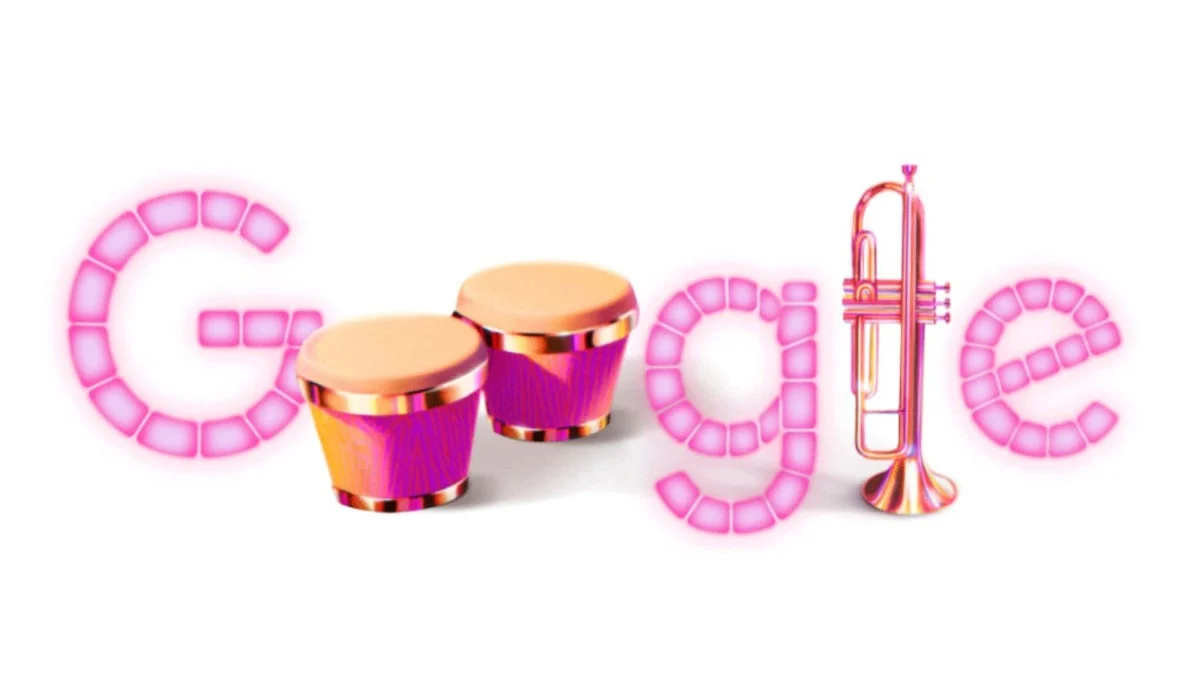
As the calendar turns to honor the profound cultural contributions of the Hispanic and Latino communities, Google has unveiled a vibrant, multimedia-rich tribute to the genre that has arguably done the most to globalize Spanish-language music: Latin Pop. In celebration of Hispanic Heritage Month, the tech giant has transformed its iconic homepage into an interactive stage, featuring a bespoke Doodle that captures the electrifying energy of a Latin music concert.
Beyond the aesthetic flair of the homepage, Google has launched a comprehensive initiative spanning its entire ecosystem—including YouTube Music, Google TV, and Google Play Books—designed to amplify the voices, stories, and melodies that have defined the Latin experience. At the heart of this celebration lies a curated list of 100 quintessential hits, a sonic journey that bridges the gap between the nostalgic sounds of the 1980s and the chart-topping anthems of today.
The Evolution of Latin Pop: A Chronological Perspective
To understand the significance of Google’s playlist, one must look at the historical trajectory of the genre. Latin Pop is not a monolith; it is a tapestry woven from decades of regional influence, technological advancement, and crossover success.
The Foundation: The 1980s and the "Conga" Effect
The playlist is anchored by Gloria Estefan and Miami Sound Machine’s "Conga," a track that serves as the genesis for the modern Latin crossover. In the mid-1980s, before the widespread digital distribution we enjoy today, Estefan proved that Latin rhythms could dominate the American Billboard charts. This era established the blueprint for blending traditional percussion—like the bongos and trumpets featured in today’s Google Doodle—with contemporary pop sensibilities.
The 1990s: The Rise of the Icon
Following the success of the 80s, the 1990s introduced a generation of superstars who solidified Latin Pop’s status as a global phenomenon. Selena Quintanilla, whose "Amor Prohibido" sits at the number two spot on Google’s list, remains an enduring symbol of cultural pride. Her ability to synthesize Tejano roots with pop production paved the way for future artists to experiment with genre-blending.
The 2000s to Present: The Global Takeover
The turn of the millennium brought the "Latin Explosion," characterized by artists like Shakira, whose "Hips Don’t Lie" brought a global fusion of Colombian roots and international pop polish. This era paved the way for the current "Urban Latin" dominance, where artists like Bad Bunny, Karol G, and Daddy Yankee have moved from niche listeners to the absolute center of global music consumption.
Deconstructing the Google Doodle: An Artistic Tribute
The visual centerpiece of this year’s celebration is a dynamic Google Doodle that eschews the platform’s traditional minimalist aesthetic in favor of a pulsating, high-energy design. The text "Google" is reimagined in vibrant shades of fuchsia and violet, framed by strobe lights that mimic the atmosphere of a packed arena.
The inclusion of specific instruments—the bongo and the trumpet—is a deliberate nod to the foundational elements of Latin music. The bongo represents the percussion-heavy heartbeat of Afro-Cuban influence, while the trumpet signifies the brass-heavy arrangements prevalent in everything from Mexican Mariachi to the salsa orchestras of New York and Puerto Rico. By placing these instruments front and center, Google is signaling that the technological dominance of Latin music is rooted in deeply human, traditional artistry.
A Multifaceted Celebration: Google’s Ecosystem Strategy
Google’s commemoration is not limited to music. The company has rolled out a series of collections across its platforms to ensure that Hispanic Heritage Month is experienced through film, literature, and news.
Google TV: Four Pillars of Content
Google TV has structured its curation into four distinct categories to provide a holistic view of the Hispanic experience:
- Ritmos: A curated selection of timeless and contemporary hits via YouTube Music.
- Historias: A deep dive into the cultural phenomenon of the telenovela, balancing nostalgic classics with modern storytelling.
- Conexiones: Real-time access to news in Spanish, keeping audiences informed on issues pertinent to the community.
- Inspiración: A film collection featuring works by prominent Latino directors, screenwriters, and actors, showcasing the breadth of Latin talent in Hollywood.
Literature and Social Amplification
The celebration extends to the written word through Google Play Books, which is highlighting the works of acclaimed authors such as Reyna Grande, known for her poignant explorations of immigration and the immigrant experience, and Samantha Saldívar. Furthermore, the official YouTube social channels are serving as a hub for creator-led content. By inviting Latino artists and influencers to share their personal perspectives, Google is moving beyond corporate curation to facilitate genuine community dialogue.
The 100 Hits: A Sonic Data Set
The list of 100 songs curated by Google serves as a definitive "who’s who" of Latin music history. It functions as a data set of cultural impact.
| Artist | Key Track | Genre Influence |
|---|---|---|
| Gloria Estefan | Conga | Crossover/Pop |
| Selena | Amor Prohibido | Tejano/Pop |
| Shakira | Hips Don’t Lie | Global Pop/Fusion |
| Grupo Frontera/Firme | El amor de su vida | Regional Mexican |
| Karol G | Si antes te hubiera conocido | Reggaeton/Pop |
| Luis Fonsi/Daddy Yankee | Despacito | Urban/Reggaeton |
The presence of artists as diverse as Luis Miguel (the "Sun of Mexico"), the alternative rock pioneers Maná, the experimental flamenco-fusionist Rosalía, and the socially conscious hip-hop collective Calle 13, demonstrates the sheer breadth of the genre.
Official Responses and Industry Implications
In a formal statement, representatives from Google emphasized that the campaign was designed to highlight the "dynamic and ever-evolving nature of Latin culture." By providing a platform for both established icons and emerging creators, the company aims to foster a more inclusive digital ecosystem.
Industry analysts observe that this initiative by Google carries significant economic and cultural weight. As Latin music continues to be the fastest-growing genre in the United States, digital platforms are increasingly competing to be the "home" for this audience. By institutionalizing Hispanic Heritage Month, Google is not just celebrating a calendar event; it is solidifying its role as the primary aggregator of Latin cultural consumption in the digital age.
Implications: The Future of Cultural Representation
The implications of Google’s initiative are twofold. Firstly, it sets a standard for how global tech giants should interact with minority heritage months—moving away from passive acknowledgment toward active, platform-wide integration.
Secondly, it highlights the normalization of Spanish-language content in mainstream media. A decade ago, a playlist dominated by Spanish tracks would have been relegated to a "Latin" sub-menu. Today, with hits like "Despacito" and the global reach of Bad Bunny, this music is simply "Pop." Google’s campaign serves as an acknowledgement that the "crossover" is no longer a destination; for the modern Latin artist, the global stage is the starting point.
Conclusion: A Living Legacy
As the month progresses, Google’s efforts will likely serve as a catalyst for further exploration into Latin art, history, and social issues. The combination of the interactive Doodle, the deep-dive playlists, and the curated literary and film collections creates a robust framework for education and entertainment.
Whether one is a long-time fan of the Miami Sound Machine or a newcomer discovering the depth of Regional Mexican music through Grupo Frontera, the celebration serves as a reminder that the Hispanic influence on global culture is not a seasonal phenomenon—it is a continuous, rhythmic, and essential thread in the fabric of human history. Through this digital tribute, Google has ensured that the beat of the Latin heart remains heard, felt, and celebrated by millions around the world.