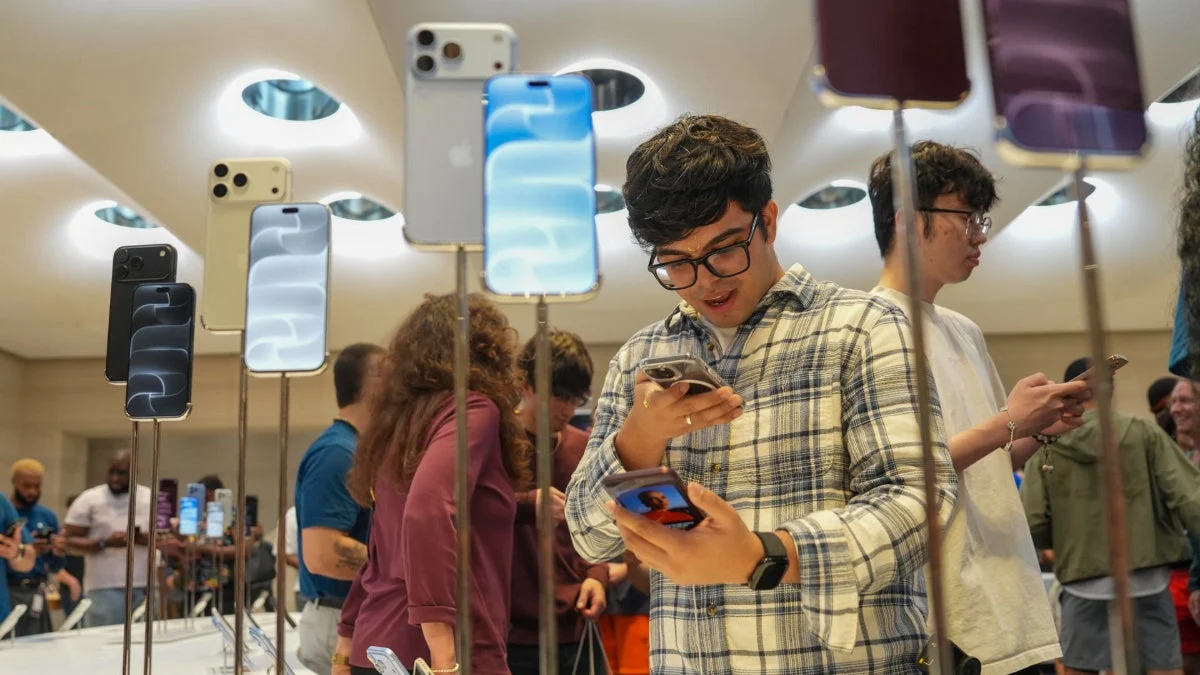
The ritual of the Apple launch event has become a cornerstone of modern consumer culture, a phenomenon that transcends mere hardware acquisition to become a global performance of brand loyalty and technological anticipation. This week, the cycle reached its zenith as the iPhone 18 Pro and Pro Max officially hit the shelves. In New York City, the epicenter of this enthusiasm, lines began forming in the pre-dawn darkness outside the iconic glass cube of the Apple Fifth Avenue store. As the sun rose over Manhattan, hundreds of hopeful customers stood in anticipation, signaling a robust start to what analysts predict will be a record-breaking fiscal quarter for the Cupertino giant.
Main Facts: The Evolution of the iPhone 18 Series
The launch of the iPhone 18 Pro and Pro Max represents a significant shift in Apple’s mobile strategy, focusing heavily on the integration of advanced neural processing and revolutionary display technology.
At the core of the new devices is the A20 Bionic chip, an architectural marvel that prioritizes high-efficiency computing for generative AI tasks. Unlike its predecessors, the iPhone 18 series features an upgraded "Pro-Neural Engine," designed specifically to handle real-time computational photography and sophisticated augmented reality (AR) applications directly on the device, rather than relying on cloud-based processing.
The design language remains consistent with Apple’s "refined minimalism," though the materials have shifted to a high-strength titanium-ceramic alloy, offering improved thermal dissipation—a crucial upgrade given the intensive processing power of the new hardware. The Pro Max model, in particular, has seen a redesign of the camera array, now featuring a quad-lens system that utilizes a liquid lens for faster focus transitions, catering specifically to professional videographers and content creators who have long been the target demographic for this premium tier.
Chronology: A Morning of Anticipation
The atmosphere at the Fifth Avenue flagship store was electric, reminiscent of the early days of the iPhone launch cycle. The timeline of the launch day provides a window into the intensity of the consumer demand:
- 03:45 AM: The first group of dedicated enthusiasts arrives at the Fifth Avenue entrance. Armed with folding chairs and portable power banks, these early adopters establish the baseline for the morning’s proceedings.
- 06:00 AM: As the city begins to stir, the queue stretches down the block. Apple store employees begin circulating, offering water and coffee, maintaining the high-touch service level that is a hallmark of the retail experience.
- 08:00 AM: The official doors open. A synchronized cheer erupts from the store staff, a tradition that signifies the official start of the sales day. The first customers are ushered in with professional efficiency.
- 09:30 AM: Inventory reports start to circulate. Within ninety minutes of the store opening, the "Desert Titanium" and "Midnight Carbon" colorways for the Pro Max models are marked as low-stock, indicating that pre-orders had already claimed a significant portion of the initial manufacturing run.
- 12:00 PM: By midday, the initial surge has stabilized into a steady stream of pre-order pickups and walk-in sales, with the store operating at maximum capacity to handle the influx of shoppers.
Supporting Data: Market Dynamics and Consumer Trends
The success of the iPhone 18 launch is supported by a confluence of market data and shifting consumer behaviors. Financial analysts at major investment firms have noted that the "upgrade cycle" for this generation is significantly shorter than previous iterations.
Market research indicates that over 45% of iPhone 18 buyers are upgrading from an iPhone 14 or older, suggesting that the technological leap—specifically in battery efficiency and camera capability—has hit a "critical mass" that justifies the price point. Furthermore, the average retail price for the iPhone 18 Pro Max has seen a slight increase, yet sell-through rates remain unaffected. This price elasticity suggests that Apple’s ecosystem lock-in—the seamless integration of iCloud, Apple Watch, and AirPods—remains a powerful motivator for repeat purchases.
In terms of raw performance, early benchmark tests have placed the A20 chip approximately 25% ahead of the nearest mobile competitor in single-core processing. This performance gap is the primary selling point for the "Pro" branding, as it appeals to users who utilize their phones for high-end video editing and professional-grade photography.
Official Responses and Corporate Strategy
Apple’s leadership has been characteristically measured regarding the launch. In a brief statement provided to the press during the morning rush, a spokesperson for the company noted: "The iPhone 18 Pro and Pro Max are the culmination of years of research into how hardware and software can act as an extension of the user’s intent. We are thrilled to see such a strong reception, which validates our focus on privacy, performance, and professional-grade utility."
Industry observers note that Apple’s strategy has pivoted away from mass-market hardware proliferation toward "premium-tier dominance." By focusing on the Pro and Pro Max models, Apple maintains high profit margins while effectively managing supply chain complexities.
Furthermore, Apple’s commitment to sustainability was highlighted during the launch. The company noted that the packaging for the iPhone 18 is 100% fiber-based and that the device itself contains 40% more recycled rare-earth elements than the iPhone 17. This "green" narrative is not merely altruistic; it is a calculated response to tightening environmental regulations in the European Union and increasing pressure from ESG-focused institutional investors.
Implications: The Future of the Mobile Landscape
The successful rollout of the iPhone 18 series has broader implications for the global tech sector. Firstly, it cements the role of the smartphone as a "Personal AI Hub." As devices become more capable of processing complex local data, the traditional model of the smartphone as a simple communication tool is effectively dead. The phone is now a portable computer capable of tasks previously reserved for workstations.
Secondly, the launch highlights the widening gap between premium and budget mobile technology. As Apple continues to push the boundaries of what a handheld device can do, competitors are faced with the challenge of either competing on price or attempting to match the R&D intensity of Cupertino. This bifurcation of the market suggests that the "mid-range" smartphone segment may face increasing pressure, leading to further consolidation among smaller manufacturers.
Finally, the physical queues at the Fifth Avenue store serve as a reminder of the enduring power of the "Apple Retail" model. In an era of digital dominance, where e-commerce is the default, the physical store remains a vital touchpoint for the brand. It is a space where the intangible value of the iPhone—its status, its promise of simplicity, and its design philosophy—is made manifest.
As the retail staff in New York continued to manage the crowds well into the afternoon, it became clear that the iPhone 18 is more than just a consumer electronic device; it is a cultural touchstone. Whether through the lens of a professional photographer capturing a landscape in 8K resolution or a business executive managing a global enterprise from a subway car, the device serves as the primary interface through which the modern world interacts with itself. Apple’s latest launch confirms that, despite the saturation of the market, there is still a massive appetite for innovation that feels both personal and profoundly capable. The iPhone 18 Pro and Pro Max are not merely products; they are the new standard for the decade to come.