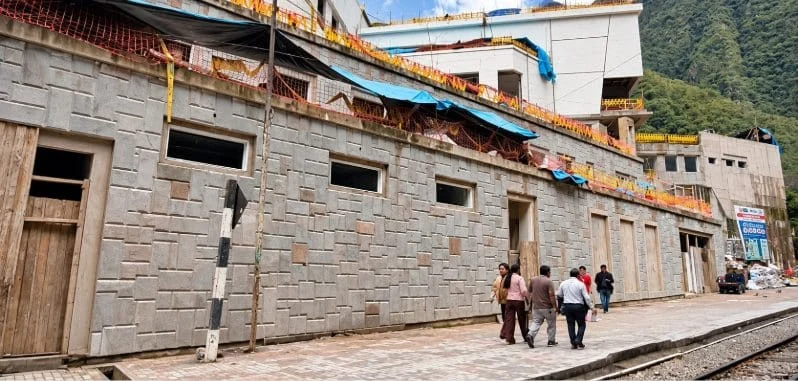
The architectural transformation of healthcare services in the historic district of Machupicchu is entering its final and most critical phase. With physical progress now surpassing the 70% threshold, the regional government of Cusco is accelerating efforts to finalize one of the most significant infrastructure projects in the region. This Category I-4 health center represents more than just bricks and mortar; it is a vital lifeline for a community that serves as the global gateway to one of the Seven Wonders of the World.
Main Facts: A Modern Facility for a Global Landmark
The new health facility is designed to bridge the long-standing gap in medical access for both the permanent residents of Machupicchu and the thousands of daily visitors who traverse the area. With a total investment approaching S/ 42 million (approximately USD 11 million), the facility is engineered to provide comprehensive care that was previously unavailable in the immediate vicinity.
The center is currently undergoing a sophisticated phase of construction, focusing on finishing touches that include electrical and sanitary installations, the application of specialized wall and floor coatings, and the finalization of interior finishes such as ceilings and lighting.
Key features of the facility include:
- Specialized Medical Units: Fully equipped consultorios (medical offices), a dedicated delivery room, and an observation wing for emergency triage.
- Advanced Diagnostics: Integration of modern medical imaging technology, including high-definition X-ray and ultrasound equipment.
- Respiratory Support: A dedicated onsite oxygen generation plant capable of producing 6.5 cubic meters per hour, a critical asset in high-altitude emergency medicine.
- Comprehensive Services: The center will offer family medicine, environmental health services, pharmacy and medication distribution, nutritional guidance, and physical rehabilitation therapy.
Chronology of Development
The journey to this state-of-the-art facility has been marked by rigorous planning and the challenges of building in a sensitive, high-altitude environment.
- Project Inception and Procurement: Following years of reports detailing the insufficiency of existing local medical posts, the project was conceived to meet international standards for remote health centers.
- The Construction Phase: Over the past months, the site has transitioned from structural framework and foundation work to the current phase of internal systems integration.
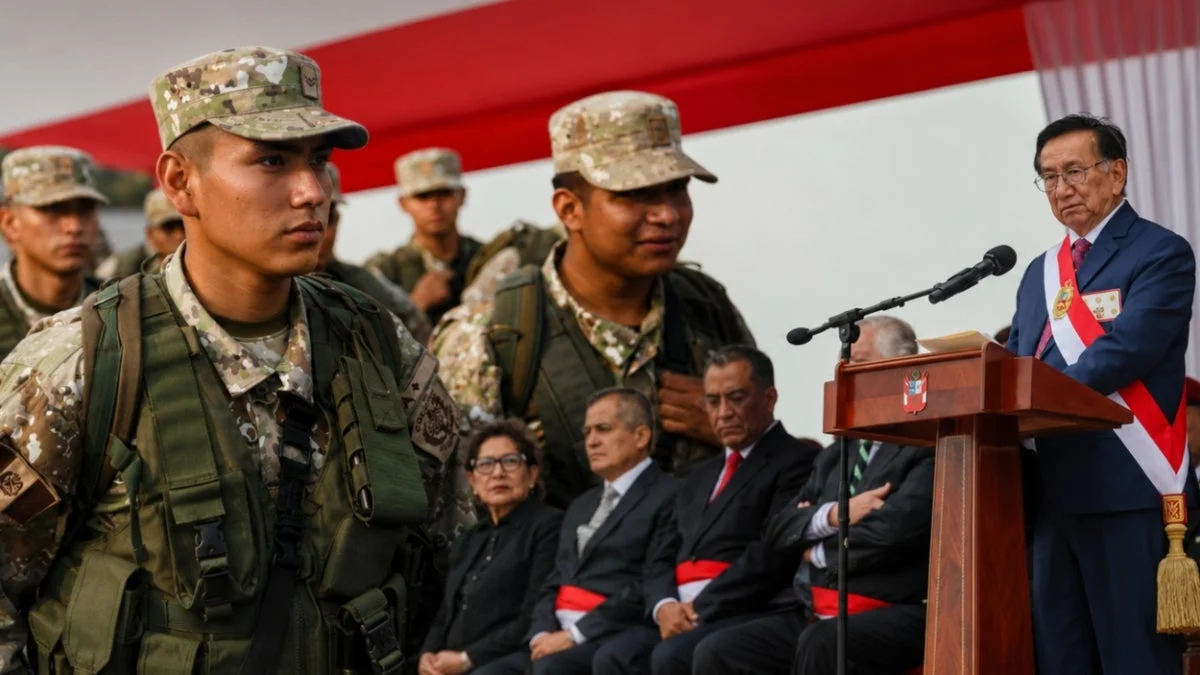
- Recent Supervision (October 2026): Governor Werner Salcedo Álvarez, alongside the Minister of Health, Luis Dyer, conducted a high-level site inspection. This visit served as a catalyst to push contractors to meet the target completion dates, ensuring that the facility does not remain in "limbo" as the final finishes are applied.
- Current Status: As of late 2026, the facility is roughly 70% complete. The remaining 30% encompasses the delicate process of installing medical equipment, furniture, and the final testing of safety and sanitation systems.
Supporting Data: Infrastructure and Investment
The financial commitment behind this project reflects the regional government’s recognition of Machupicchu’s unique demographic needs. The S/ 42 million budget covers not only the physical construction but also the high costs associated with transporting specialized medical technology to the remote Andean location.

The facility’s classification as "I-4" is a technical designation denoting a high level of outpatient care. It serves as a vital bridge between primary care and the regional hospital network in the city of Cusco. By providing "parto inminente" (imminent delivery) services, the center significantly lowers the risks for pregnant women in the area, who previously faced arduous travel times to reach a facility equipped for childbirth.
Furthermore, the integration of an oxygen plant is a strategic decision. Given the altitude of the region and the physical exertion required by many tourists and local workers, immediate access to medical-grade oxygen is a non-negotiable safety requirement.
Official Responses and Strategic Vision
During the recent site visit, the discourse from regional leaders was one of urgency and political accountability. Governor Werner Salcedo Álvarez emphasized that the project must transcend political cycles, framing the completion of the hospital as a fundamental right of the citizenry rather than a political trophy.
"The culmination of this work cannot depend on who is at the head of the regional entity," Governor Salcedo stated. "The priority is the people of Machu Picchu and their right to receive dignified, timely, and quality health care."
The regional government has proactively offered its own technical and logistical resources to expedite the completion. If the private contractors face bottlenecks in the final phase, the Cusco Regional Government is prepared to intervene directly to ensure the timeline remains intact. This proactive stance reflects a shift in regional management, where the government is moving from a passive observer role to an active facilitator of infrastructure completion.
Beyond Health: The Defense Ribereña Project
A significant aspect of the regional government’s visit was the parallel inspection of the Defensa Ribereña (riverbank defense) project. While the health center provides internal security for the population, the riverbank project provides external security.

With an investment exceeding S/ 60 million, this project is designed to protect the town of Machupicchu from the devastating effects of the rainy season, specifically the risks of landslides and huaicos (mudslides) that historically threaten the valley. Executed by the Institute of Water and Environmental Management (IMA), this project works in tandem with the health center; there is little point in building a world-class hospital if the physical integrity of the town itself is under constant threat from geological instability. Together, these two projects represent a total regional investment of over S/ 100 million in the resilience and well-being of the Machupicchu district.
Implications: A New Era for Local Resilience
The completion of this center will have profound implications for the region. Firstly, it reduces the "medical isolation" of the district. In the past, emergencies required a lengthy train journey to reach the nearest major hospital, a delay that could often be the difference between life and death.
Secondly, the facility serves as a benchmark for future regional healthcare projects. The focus on high-tech equipment—such as the oxygen plants and advanced imaging—demonstrates a commitment to modernizing rural healthcare, moving away from simple aid posts toward comprehensive medical hubs.
Lastly, the success of this project will likely bolster the local economy. The confidence provided by a modern, fully equipped health facility is an essential factor in long-term urban planning and tourism sustainability. As the project nears its final 30% of completion, the focus now turns to the hiring and training of specialized medical staff, who will be tasked with operating the facility.
As the final tiles are laid and the medical equipment is unpacked, the residents of Machupicchu stand on the threshold of a new chapter in public health—one defined by proximity, modern technology, and the assurance that their health is a non-negotiable priority for the regional administration. The coming months will be decisive, as stakeholders work to transition the site from a construction zone to a fully operational, life-saving facility.