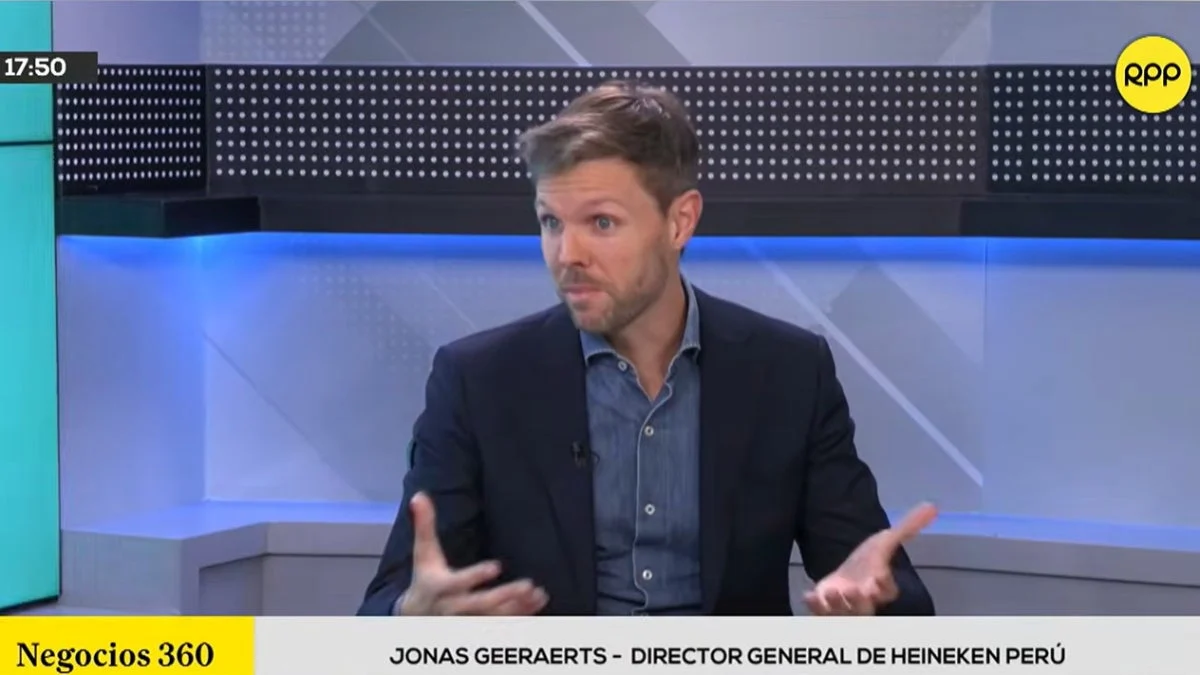
In the landscape of the Peruvian beverage industry, a market historically characterized by a monolithic dominance, the Dutch brewing giant Heineken is systematically rewriting the rules of engagement. Six years after entering the Andean nation during the height of the global pandemic, the company has not only entrenched its presence but has doubled its production capacity, signaling a robust challenge to the long-standing status quo.
By leveraging a hybrid strategy that marries the prestige of international brands with the localization of regional favorites, Heineken is making a play for significant market share. Jonas Geeraerts, the Director General of Heineken Peru, recently articulated an ambitious vision: the company is not merely content with its current footprint; it is actively positioning itself to double its market share and production volume in the coming years.
The Evolution of a Challenger: A Six-Year Chronology
Heineken’s entry into Peru was as audacious as it was necessary. In a move that surprised industry analysts, the Dutch multinational entered the market by acquiring the Tres Cruces brand and the Huachipa production facility, previously held by Grupo Aje. This acquisition provided the essential infrastructure required to transition from a purely imported product model to a localized production powerhouse.
The Path to Localization
The timeline of Heineken’s growth in Peru serves as a case study in operational efficiency:
- The Pandemic Entry (2018-2020): Heineken secured its foothold by acquiring local assets, effectively bypassing the logistical hurdles of importation.
- The Production Milestone (2022): Within just two years of establishing operations, the company successfully initiated the local production of its flagship Heineken lager. This was a critical achievement, as the Dutch headquarters maintains notoriously stringent quality control standards that must be replicated globally.
- Portfolio Diversification (2023-Present): Beyond its namesake brand, the company has cultivated a three-pronged portfolio comprising Heineken, Amstel, and the versatile Tres Cruces line, which has expanded to include variants like Tres Cruces Light, Pum Pum, and Tres Cruces Lemon Lager.
Operational Excellence and Sustainability
Growth in the brewing industry is measured by more than just volume; it is measured by efficiency and sustainability. Heineken’s transformation of the Huachipa plant stands as a testament to this philosophy.
When the company first took over the facility, the production process required eight liters of water to produce a single liter of beer—a standard that was economically and environmentally unsustainable. Through aggressive capital investment in new technology and the expertise of its 220-strong local workforce, Heineken expects to close the current fiscal year with a consumption rate of less than four liters of water per liter of beer. This 50% reduction in resource intensity not only bolsters the company’s ESG (Environmental, Social, and Governance) credentials but also creates significant operational savings that can be reinvested into market expansion.
Strategic Pillars: Market Penetration and Regional Reach
To disrupt a market dominated by a single major competitor, Heineken has adopted a "glocal" approach. This involves maintaining the aspirational brand equity of the Heineken name while embracing the local habits of the Peruvian consumer.
Adapting to Local Consumption Habits
One of the most significant shifts in the company’s strategy occurred in 2023 with the introduction of the 600-milliliter bottle. Historically, Heineken was perceived as a premium, niche product in Peru. Recognizing that the average Peruvian consumer prefers sharing large-format bottles during social gatherings—a cultural pillar of the country—the company pivoted.
"We have to get closer to the local consumer," Geeraerts noted during a recent interview. "That is why Heineken is available in large 600ml bottles at a much more accessible price point, designed specifically to be shared among friends and family."
The Provincial Expansion
The battle for market share is not being fought solely in Lima. Heineken has identified the Peruvian provinces as key growth engines. Through a strategic partnership with Arca Continental, the company has deployed specialized teams to manage events and regional celebrations, which are vital touchpoints for brand loyalty.
Amstel has successfully penetrated the Amazonian regions, while the Tres Cruces brand has seen a surge in popularity in Arequipa. By aligning its distribution networks with the specific socio-cultural nuances of each region, Heineken is creating a presence that feels less like an invading foreign entity and more like an integrated local player.
The Case for Competition: Challenging the Monopoly
At the heart of Heineken’s discourse is a fundamental challenge to the structure of the Peruvian market. Geeraerts has been vocal about the economic necessity of competition, arguing that monopolistic or near-monopolistic environments are detrimental to the end consumer.
"It is worth having competition, having free competition," Geeraerts argued. "It is essential for ensuring that the final consumer receives not only an accessible price but also a steady flow of new proposals and product innovation."
This stance is particularly relevant as the company navigates the complex regulatory environment of Peru. When asked about the Selective Consumption Tax (ISC), the company adopted a pragmatic approach. While acknowledging that the tax burden is a significant concern for any manufacturing firm, Heineken has chosen to engage in constructive dialogue rather than political confrontation. By working alongside the Cámara de Cervezas and the Asociación de Bodegueros, the company is positioning itself as a stakeholder in the country’s economic health, advocating for a stable tax environment that encourages long-term industrial investment.
Future Outlook: Beyond the Alcohol Horizon
Looking ahead, Heineken’s growth strategy is increasingly focused on the "no-alcohol" and "low-alcohol" categories. As global trends toward healthier lifestyles influence the Peruvian market, the company is evaluating the launch of non-alcoholic variants of its core brands. This move is designed to capture the growing demographic of health-conscious consumers who do not want to sacrifice the social experience of beer drinking.
Furthermore, the company’s ambition to double its market share suggests that further acquisitions or significant capacity upgrades at the Huachipa plant may be on the horizon. The goal is to move beyond being an alternative choice to becoming a staple in the Peruvian household.
Implications for the Peruvian Beverage Sector
Heineken’s ongoing success in Peru has profound implications for the local beverage sector:
- Innovation Pressure: The presence of a aggressive, well-capitalized competitor forces incumbents to innovate. Whether through packaging, distribution, or brand storytelling, the competition is likely to accelerate the pace of product development across the industry.
- Technological Benchmarking: Heineken’s focus on water efficiency and advanced brewing technology sets a new standard for manufacturing in the country. Other players will likely be forced to upgrade their infrastructure to remain competitive on costs.
- Consumer Sovereignty: Ultimately, the primary beneficiary of this corporate "turf war" is the consumer. With more brands, more formats, and a greater variety of flavor profiles, the Peruvian beer drinker is currently experiencing a level of choice that was unimaginable a decade ago.
In conclusion, Heineken’s six-year journey in Peru is a study in calculated patience and tactical adaptation. By doubling its production, optimizing its resource consumption, and respecting local consumption rituals, the Dutch brewer has successfully transitioned from a market entrant to a serious disruptor. As they set their sights on further expansion, the company is not just selling beer; it is actively shaping the competitive landscape of the Peruvian economy, proving that even the most entrenched markets are susceptible to the right blend of global experience and local insight.