Executive Summary: Bridging the Divide
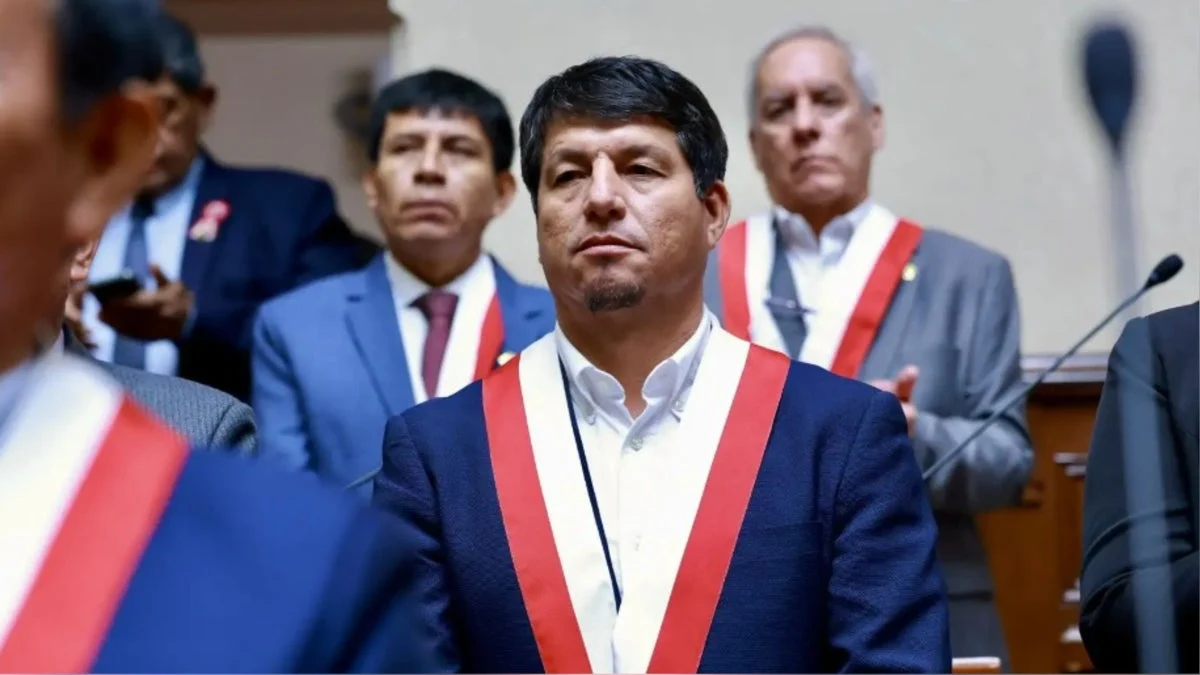
In a high-stakes political environment, Minister of the Interior César Astudillo has moved to de-escalate tensions following a public confrontation within the Senate’s Constitution Committee. The incident, which pitted the cabinet minister against Senator Iber Maraví of the Juntos por el Perú party, caused a temporary suspension of legislative proceedings. Despite the heated nature of the exchange, Minister Astudillo has signaled a desire to move past the altercation, asserting that the government’s primary mandate—the stabilization of national security—remains the singular priority of his administration.
The incident occurred during a critical session where the Executive branch was seeking the delegation of legislative faculties to address burgeoning security concerns. The ensuing clash has prompted a wave of support from the executive leadership, with Prime Minister Luis Galarreta issuing a stinging rebuke of those who challenged the Minister, citing Astudillo’s extensive military background and his status as a national hero.
Chronology of the Conflict
The friction leading up to the suspension of the Senate session did not emerge in a vacuum. It was the culmination of weeks of legislative scrutiny regarding the government’s security agenda.
The Session of the Constitution Committee
On the day of the incident, the atmosphere in the Constitution Committee was already charged. The Executive branch had arrived to lobby for specific legislative powers, which they argued were essential to combat organized crime and urban insecurity.
As the debate progressed, Senator Iber Maraví challenged Minister Astudillo on policy specifics and the government’s general approach. The dialogue rapidly deteriorated into a sharp verbal exchange, with both parties raising their voices and engaging in personal accusations. The intensity of the interaction became untenable, forcing the chair of the committee to order an immediate recess to prevent further escalation.
The Immediate Aftermath
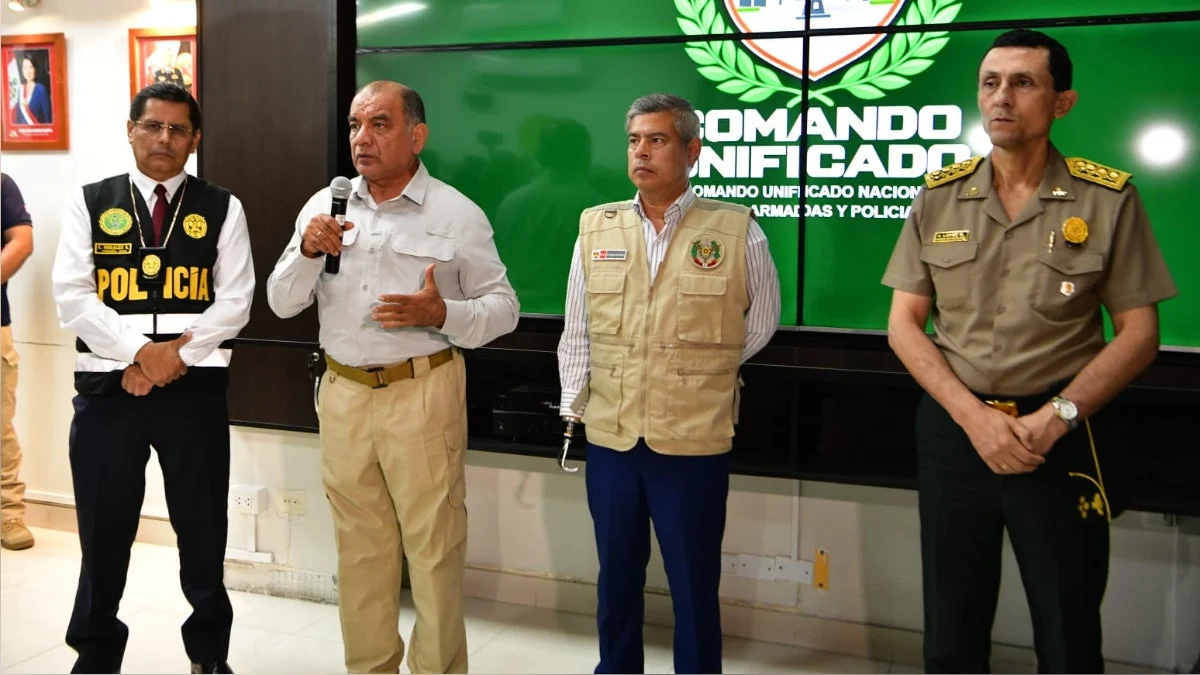
Following the suspension, the news cycle was dominated by clips of the heated exchange. Critics of the government utilized the incident to argue that the administration was losing control of its legislative agenda, while supporters of the Minister pointed to the provocative nature of the Senator’s questioning. By the following day, Minister Astudillo appeared in a press conference to address the situation, framing the event as a minor hurdle that should not distract from the broader mission of the Interior Ministry.
Supporting Data: The Security Landscape
To understand the stakes behind the political theatrics, one must look at the data driving the government’s request for legislative faculties.
Rising Urban Insecurity
Recent indicators suggest that citizen insecurity remains the primary concern for the average Peruvian citizen. According to reports from the Interior Ministry, there has been a notable uptick in extortion and street-level crime in metropolitan areas over the last two fiscal quarters. The government’s proposal for legislative faculties aims to:
- Streamline the process for deploying police reinforcements to high-crime sectors.
- Update the legal framework regarding illegal weapons trafficking.
- Modernize surveillance infrastructure through public-private partnerships.
The Strategic Importance of the Minister’s Role
Minister César Astudillo is not a traditional career politician. His appointment was widely viewed as a strategic move by the government to place a "man of action" at the helm of the Interior Ministry. As a retired military leader, his profile is heavily associated with the fight against terrorism and the defense of national sovereignty during the Cenepa conflict. His supporters argue that his experience in high-stress, tactical environments is exactly what is needed to reform a police force often accused of being bogged down by bureaucratic inertia.
Official Responses and Political Defense
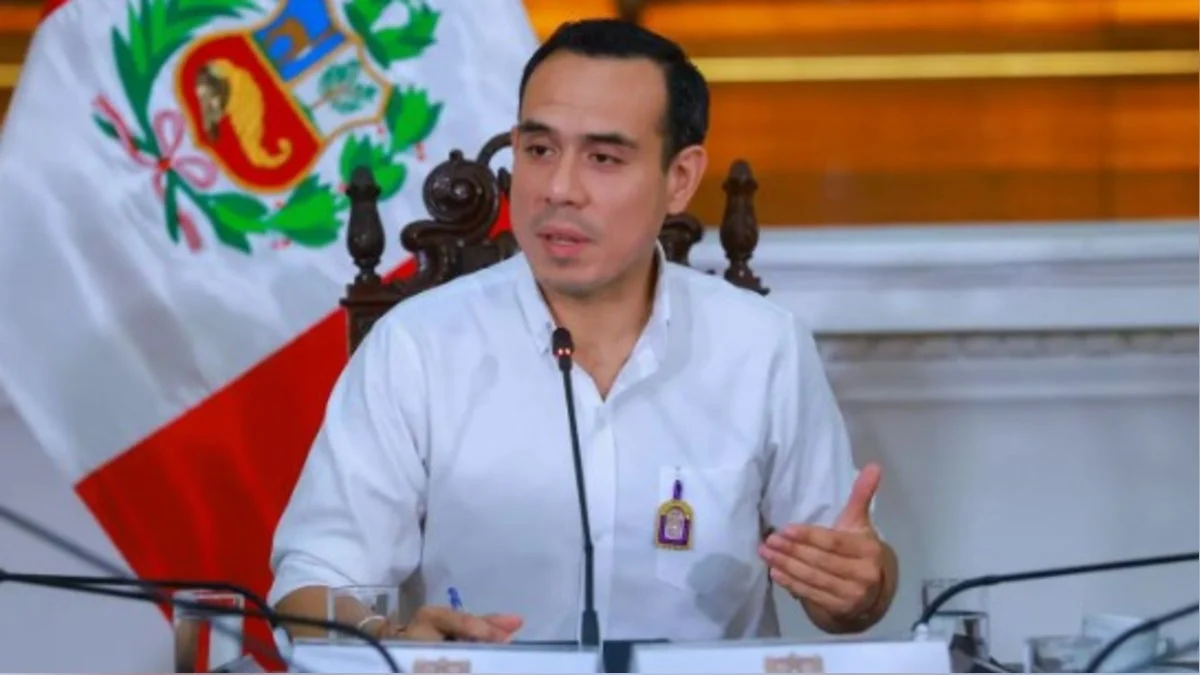
The response from the government has been a unified wall of support, spearheaded by Prime Minister Luis Galarreta. The Prime Minister’s defense was not merely procedural; it was deeply personal and aimed at framing the confrontation as a matter of national character.
Prime Minister Galarreta’s Stance
In a public address, Prime Minister Galarreta did not mince words when discussing the treatment of Minister Astudillo by members of the legislature.
"I cannot remain silent regarding the absolute support I offer to Minister Astudillo," Galarreta declared. "Long before I invited him to serve in this Cabinet, I held him in the highest regard as a hero of our nation. To see him treated with such disrespect in a committee room is unacceptable."
Galarreta’s argument centered on the concept of "national honor." He emphasized that a man who has risked his life for the country in the face of terrorist threats and border conflicts deserves a standard of professional conduct from his interlocutors that, in his view, was absent during the Senate committee hearing.
The Critique of "Atrevimiento"
The Prime Minister went further, questioning the moral authority of those who choose to confront individuals with a history of distinguished public service. "When someone behaves with such audacity toward a hero who stood against terrorism, it speaks volumes about that person’s own character," Galarreta stated. This rhetoric is designed to shift the narrative from one of "a failed minister" to "a respected hero being harassed by obstructionists."
Implications: The Road Ahead
The fallout from this incident has significant implications for both the legislative agenda and the relationship between the Executive and Legislative branches.
Legislative Hurdles
The request for legislative faculties remains in a delicate state. If the government cannot maintain a civil dialogue with the opposition in committee rooms, the chances of securing the necessary votes to pass these measures diminish significantly. The incident has arguably hardened the positions of both sides, making the path to consensus more treacherous.
Public Perception
For the general public, the spectacle may further disillusion voters regarding the efficacy of the current political class. While the government frames the incident as a distraction from "more important matters," the electorate is increasingly looking for results rather than rhetorical battles. If the government’s security initiatives do not show measurable success in the coming months, the political capital spent on defending the Minister during this incident may prove costly.
Institutional Stability
The broader question is whether the government can effectively navigate the transition from confrontation to cooperation. Minister Astudillo’s statement that the matter is "superado" (overcome) is a clear attempt to reset the clock. Whether the opposition is willing to accept this reset, or whether they will continue to press the issue as a point of leverage, will be the defining theme of the upcoming legislative sessions.
Conclusion: A Call for Cohesion
The clash in the Senate Constitution Committee serves as a microcosm of the broader political tensions currently facing the nation. While Minister Astudillo maintains that his focus is entirely on the safety of the citizens and the professionalization of the police force, the political theater in the capital continues to threaten the stability of the government’s agenda.
Ultimately, the administration is betting that the public will value the Minister’s military pedigree and his focus on security over the parliamentary squabbles that currently dominate the headlines. As the government presses forward with its legislative agenda, the success of this strategy will depend on its ability to transcend individual grievances and deliver the tangible security improvements that the country demands. The "heroic" status of the Minister may provide a temporary shield against political attacks, but in the long run, the measure of his success will be found in the streets, not in the halls of the Senate.