By ProActivo Editorial Staff
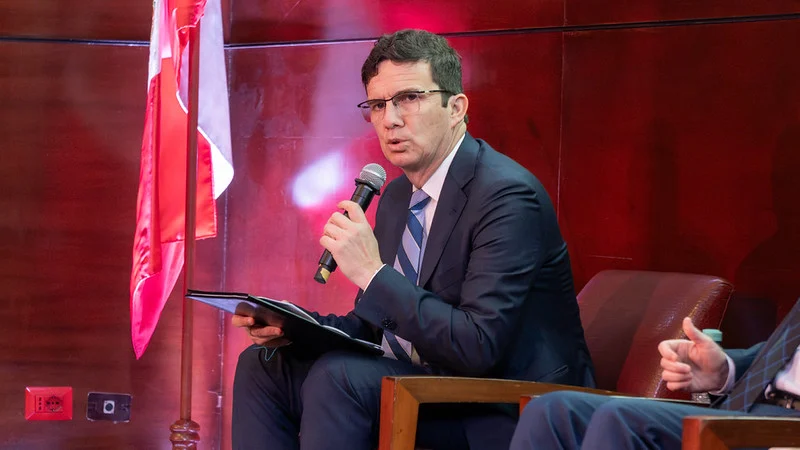
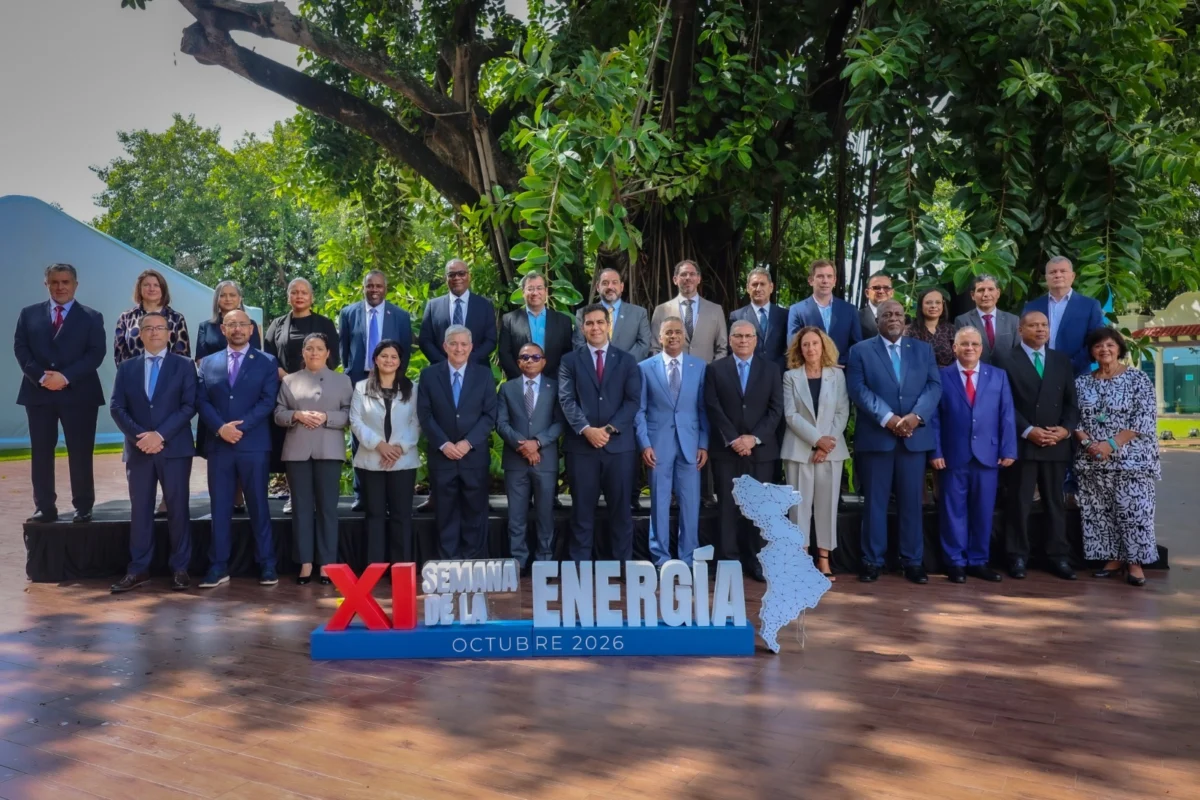
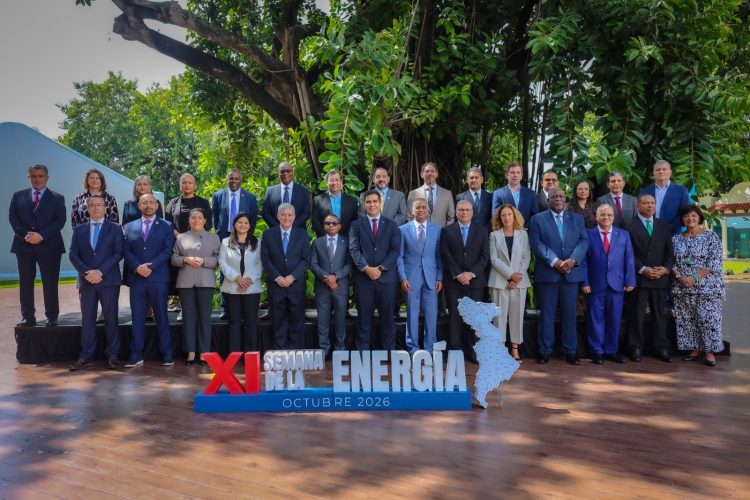
In a pivotal move to solidify its position within the regional energy landscape, the Peruvian Ministry of Energy and Mines (MINEM) participated in the LVI Meeting of Ministers of the Latin American and Caribbean Energy Organization (OLADE). Represented by the Vice Minister of Electricity, Luis Santillán—acting on behalf of Minister Guillermo Shinno—the Peruvian delegation joined regional counterparts in Santo Domingo, Dominican Republic, to chart a course for a more integrated, resilient, and decarbonized energy future.
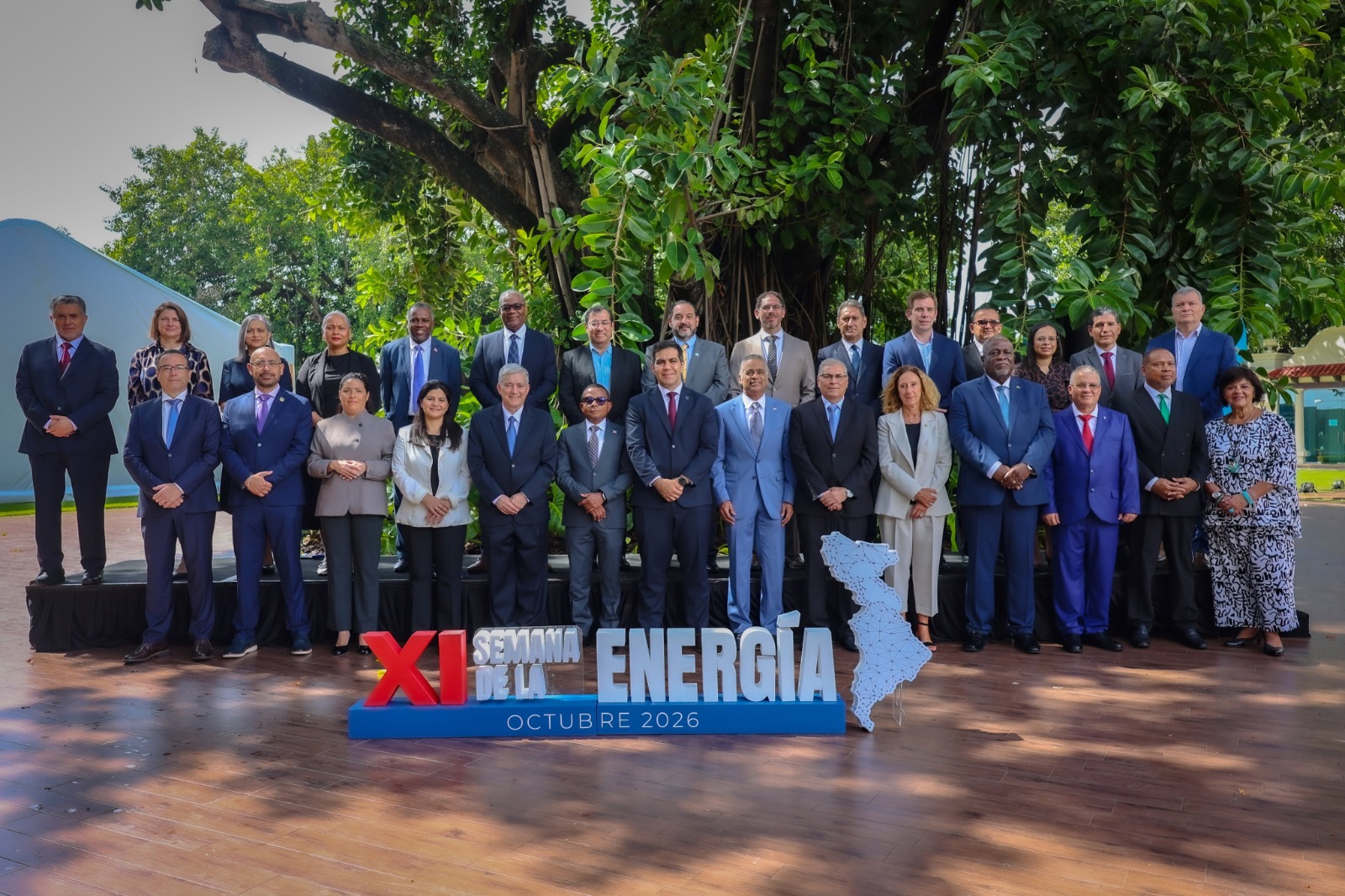
The high-level summit, held within the framework of the XI Energy Week, brought together the top energy authorities from 27 member nations. The objective was clear: to move beyond national frameworks and foster a cohesive regional strategy capable of navigating the complexities of the global energy transition.
The Strategic Importance of the Regional Energy Order
The central theme of the ministerial dialogue, "The Strategic Role of Latin America and the Caribbean in the New Global Energy Order," set the stage for an intense exchange of ideas. As global markets shift toward cleaner sources, the region is uniquely positioned as a powerhouse for renewable energy production and critical mineral supply.
Addressing Emerging Challenges
During the proceedings, Vice Minister Santillán participated in critical discussions regarding the vulnerabilities of contemporary energy systems. The dialogue underscored several key areas of concern:
- Climate Resilience: How to fortify energy infrastructure against the increasing frequency of extreme weather events.
- Security of Supply: Ensuring that regional markets remain stable despite geopolitical shifts and volatile global prices.
- Technological Integration: The adoption of advanced tools, including Artificial Intelligence (AI), to optimize grid performance and demand-side management.
- Sustainable Resource Management: Leveraging the region’s vast natural wealth while ensuring environmental and social stewardship.
Santillán emphasized that for Peru, energy security is not merely a domestic concern but a regional imperative. He advocated for a paradigm shift in how the continent views its electrical infrastructure, calling for a move away from isolated national grids toward a more integrated, interconnected, and therefore resilient regional network.
Chronology of Engagement
The participation of the Peruvian delegation was structured to maximize both policy alignment and practical, industry-focused collaboration.
Day 1: High-Level Ministerial Consensus
The LVI Meeting of Ministers served as the primary forum for consensus building. Ministers from the 27 member states reviewed the "Energy Outlook of Latin America and the Caribbean," a comprehensive document detailing the progress and failures of the previous year. Santillán reaffirmed Peru’s commitment to the organization’s roadmap for energy transition, specifically highlighting the need for harmonized regulatory frameworks to facilitate cross-border trade.
Day 2: The Public-Private Nexus
Following the formal ministerial proceedings, the focus shifted to the IV Public-Private Dialogue of the OLADE Business Council, conducted in coordination with the World Economic Forum (WEF). In this session, titled "Decarbonization of Demand," the Peruvian delegation sat alongside leaders from Panama, Costa Rica, Uruguay, Colombia, and El Salvador.
This segment was particularly productive, as it moved the conversation from abstract policy to concrete implementation. The discussion focused on the "hard-to-abate" sectors—industry and heavy transport—and how electrification, paired with a green energy matrix, serves as the most viable path to deep decarbonization.
Supporting Data and Technical Initiatives
The discussions were underpinned by a clear technical vision. Peru’s strategy is built on the premise that you cannot have a modern economy without a robust electrical backbone.
The Role of SINEA
A cornerstone of Peru’s regional policy is its active participation in the Andean Electrical Interconnection System (SINEA). The initiative seeks to create a seamless electricity market across the Andean community. By facilitating the exchange of surplus energy and diversifying the energy mix (integrating hydro, solar, and wind across borders), SINEA serves as a model for regional efficiency.
Electrification as a Decarbonization Driver
The data presented by the Peruvian delegation highlighted that the electrification of industrial processes is the most effective lever for reducing emissions in the domestic productive sector. However, the MINEM delegation cautioned that this transition must be:
- Technically Feasible: Ensuring that the current grid can handle the increased load.
- Economically Sustainable: Preventing price shocks to consumers and industrial stakeholders.
- Future-Proofed: Designing grids today that are capable of integrating decentralized energy resources (DERs) tomorrow.
Official Stance and Strategic Roadmap
During the sessions, Vice Minister Santillán articulated the Peruvian government’s stance on the necessity of "Anticipatory Planning."
"We cannot wait for demand to manifest before we build the capacity," Santillán noted. "The expansion of generation, transmission, and distribution networks must be synchronized with the growth of our industrial capacity and our climate goals."
The MINEM’s strategy, as presented in Santo Domingo, relies on three pillars:
- Infrastructure Expansion: Accelerating the tendering and construction of critical transmission lines to unlock renewable energy potential in remote regions.
- Regulatory Modernization: Updating laws to allow for greater private-sector participation in grid modernization and energy storage solutions.
- Diplomatic Integration: Leveraging the OLADE platform to ensure that Peruvian standards align with those of its neighbors, facilitating easier energy trade and mutual support during emergencies.
Implications for the Future of Energy
The outcomes of the LVI OLADE Meeting carry significant weight for Peru’s domestic energy landscape. By committing to deeper regional integration, Peru is signaling to international investors that it intends to remain a stable and reliable player in the Latin American energy market.
Economic and Environmental Impact
The focus on the "Decarbonization of Demand" has profound implications for the Peruvian mining and industrial sectors. As global markets increasingly demand "green" commodities, the ability of Peruvian industry to tap into a cleaner, more reliable electrical grid will become a competitive advantage.
Furthermore, the emphasis on AI and modern grid management suggests that the next phase of Peru’s energy development will be data-driven. This shift aims to reduce technical losses in the system, improve service quality for end-users, and lower the overall carbon intensity of the economy.
Strengthening Regional Sovereignty
Ultimately, the ministerial meeting served to reinforce the idea of energy sovereignty through cooperation. By reducing reliance on external, non-renewable energy sources and focusing on the internal strength of the regional grid, the participating nations are building a "buffer" against global market volatility.
For Peru, this means a continued commitment to the SINEA framework and a proactive approach to the challenges of the energy transition. As the nation moves forward, the insights gained in Santo Domingo will likely be reflected in upcoming updates to the national energy master plan, ensuring that the country remains at the forefront of the Latin American transition.
Conclusion
The participation of Luis Santillán at the LVI OLADE Meeting highlights a mature and forward-looking approach by the Peruvian Ministry of Energy and Mines. By balancing the urgent need for infrastructure development with the global imperative of decarbonization, Peru is positioning itself not just as a participant, but as a leader in the regional energy transformation.
As the world watches the energy sector evolve, the focus on integration, technology, and regional cooperation provides a clear roadmap for Peru to achieve a secure, sustainable, and prosperous energy future. The agreements reached in Santo Domingo are a testament to the fact that, in the face of complex global challenges, the most effective path forward is a collective one.