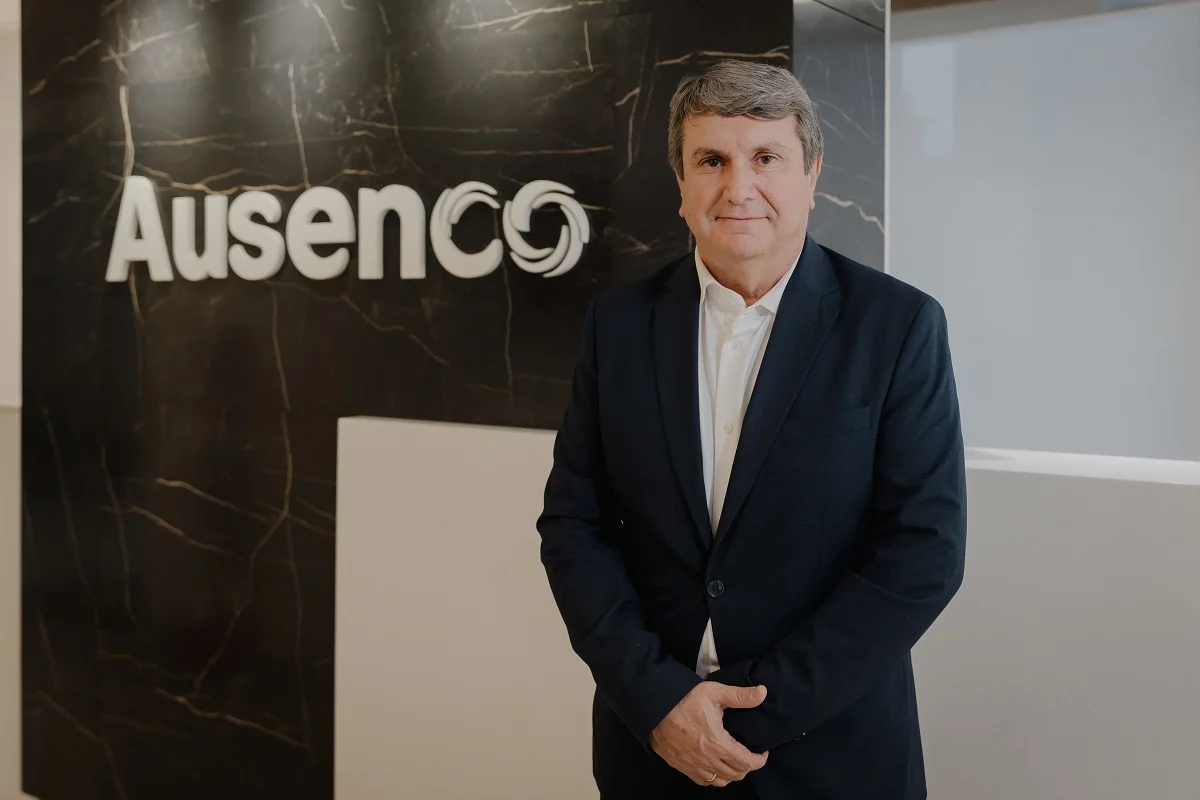
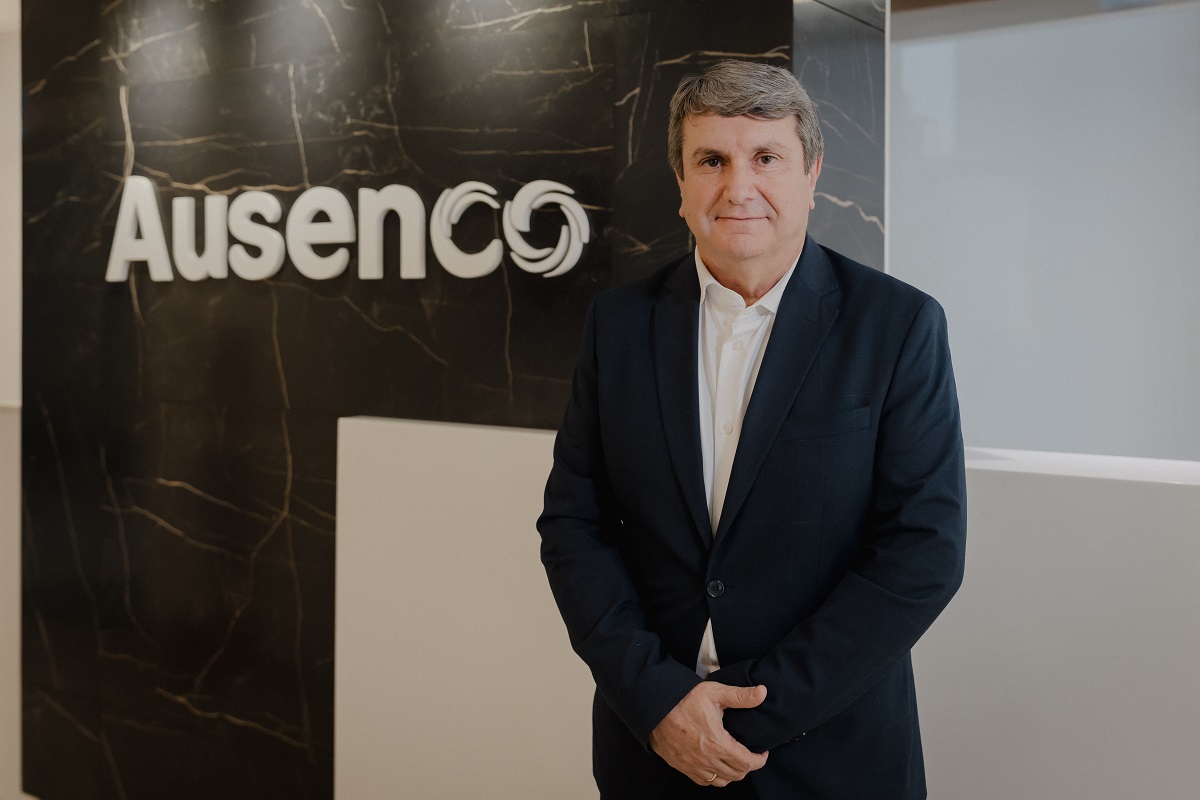
By Pablo Gómez, SME & Advisory Board Leader, Ausenco Peru
For decades, the mining industry has grappled with the monumental task of tailings management, primarily focusing on the secure containment and long-term stability of these vast repositories. However, as global demand for critical minerals surges, driven by the urgent need for an energy transition and the proliferation of new technologies, the industry stands at a pivotal juncture. This is an opportune moment to fundamentally reimagine the future of tailings facilities, shifting from a purely utilitarian storage model to a more strategic and sustainable approach that unlocks their latent potential. Each year, mining operations worldwide generate an astonishing 13 billion tonnes of new tailings, a figure that underscores the escalating challenge and the imperative for innovation.
The Evolving Paradigm of Tailings Storage
Historically, the primary objective of tailings management has been to ensure the physical integrity and environmental safety of storage facilities. This has translated into robust engineering designs focused on preventing failures and minimizing environmental contamination. However, the dynamic nature of mining operations and the ever-changing global landscape necessitate a more forward-thinking strategy. Tailings facilities are not static entities; they evolve over decades, and their conditions can shift significantly throughout their lifecycle. Consequently, the concept of resilience must be woven into the very fabric of tailings engineering from the initial design phases. This requires not only a meticulous consideration of current operational and environmental conditions but also a proactive anticipation of how these facilities will respond to future climatic shifts, evolving environmental regulations, and unforeseen operational scenarios.
Unlocking the Hidden Value: Tailings as a Future Resource
This paradigm shift in thinking opens up a compelling and often overlooked opportunity: the potential for tailings, currently viewed as waste, to become a valuable future resource. Advances in technology, coupled with the burgeoning demand for specific minerals essential for renewable energy infrastructure, electric vehicles, and advanced electronics, are making materials that were once economically unviable for extraction increasingly attractive. Minerals that were previously discarded as uneconomic can now be re-evaluated, offering a pathway to both resource security and enhanced sustainability.
Designing for the Future: Integrating Recyclability and Flexibility
To harness this potential, tailings facilities must be designed with the future in mind. This means incorporating elements that facilitate future resource recovery and repurposing from the outset. Key considerations include:
- Water Recovery: Implementing systems and designs that maximize water reclamation from tailings, reducing the overall water footprint of mining operations and improving water security.
- Fraction Separation: Designing facilities that allow for the efficient separation of different mineral fractions within the tailings, making it easier to extract valuable components in the future.
- Disposal Alternatives: Exploring and integrating alternative disposal methods that can enhance future recoverability, such as thickened tailings or paste disposal, which can reduce the volume of material and improve its characteristics for reprocessing.
- Reprocessing Capabilities: Designing facilities with the inherent flexibility to accommodate future reprocessing without necessitating a complete restart from scratch. This might involve considering the physical and chemical properties of the tailings and planning for potential future processing techniques.
By integrating these considerations during the design phase, tailings facilities can be engineered to adapt to new uses as technological advancements and economic conditions evolve, rather than requiring a complete overhaul. This proactive approach minimizes the need for costly and time-consuming new developments when the opportunity for reprocessing arises.

Beyond Mineral Recovery: Holistic Benefits of Tailings Repurposing
The repurposing of tailings should not be evaluated solely on the basis of the quantity of minerals that can be recovered. The benefits extend far beyond direct economic returns. Reprocessing tailings can offer significant advantages in terms of:
- Volume Reduction: Extracting valuable minerals can lead to a substantial reduction in the overall volume of stored tailings, alleviating pressure on land use and reducing the long-term footprint of mining operations.
- Improved Closure Conditions: By reprocessing tailings, mines can potentially achieve better closure outcomes. This could involve transforming the physical and chemical characteristics of the remaining material to create more stable and environmentally benign landforms.
- Reduced Environmental Exposure: Less material means less potential for environmental interaction, leading to a decrease in the long-term environmental risks associated with tailings storage.
- Enhanced Risk Management: A proactive approach to tailings repurposing can contribute to better overall risk management by addressing potential environmental liabilities and improving the long-term stewardship of former mining sites.
The Next Generation of Tailings Facilities: Embracing Resilience by Design
The next generation of tailings facilities must unequivocally embrace this forward-looking perspective from their inception. This is not an assertion that all tailings will, or should, be reprocessed. Rather, it is a call to design facilities with the inherent flexibility and adaptability to enable reprocessing if and when future economic and technological conditions make it viable.
In an era characterized by escalating demand for minerals and the undeniable realities of climate change, embracing resilience in tailings management means proactively preparing these installations for the challenges and opportunities of the future. It is about transforming a potential long-term liability into a strategic asset, ensuring that the mining industry can continue to supply the essential materials for global progress while upholding the highest standards of environmental stewardship and sustainable resource management. This forward-thinking approach is not merely an environmental imperative; it is an economic and strategic necessity for the future of mining.