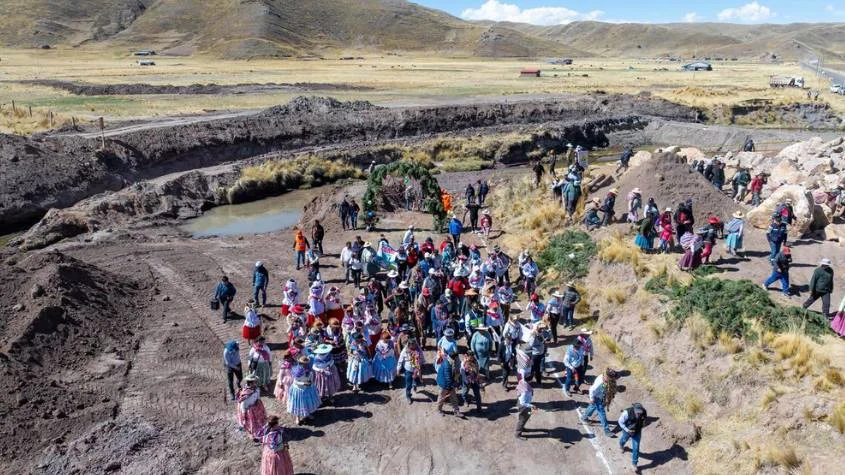
AZÁNGARO, PUNO – In a significant move toward sustainable agricultural development, the Regional Government of Puno has officially launched a transformative irrigation project in the Surupana micro-basin, located in the community of Condoriri. Through the Regional Program for Irrigation and Drainage (PRORRIDRE), this initiative marks a paradigm shift for the highlands of Peru, integrating advanced photovoltaic technology with traditional farming practices to secure water resources for hundreds of local families.
With an investment exceeding S/ 48 million, the project aims to stabilize agricultural productivity in one of the region’s most vital rural corridors. By moving away from conventional energy reliance and embracing solar power, the project sets a new benchmark for infrastructure development in high-altitude environments.
Main Facts: Empowering the Highlands Through Solar Technology
The Surupana micro-basin project is not merely an irrigation upgrade; it is a comprehensive overhaul of water management systems in the province of Azángaro. At its core, the project utilizes an innovative system of solar-powered impulse pumping, designed to bypass the geographical constraints of the high-altitude terrain.
Key Project Components:
- Total Investment: S/ 48,000,000.
- Beneficiaries: More than 300 farming families.
- Irrigation Capacity: Over 400 hectares of arable land.
- Primary Infrastructure: Construction of a high-capacity bocatoma (intake structure), two massive storage reservoirs, and an extensive network of conduction lines.
- Energy Source: Dedicated solar photovoltaic array, ensuring long-term operational sustainability without the burden of rising electricity costs.
- Capacity Building: A dual-track approach that combines physical infrastructure with technical training to maximize crop yields and water efficiency.
The integration of solar energy is the most striking feature of the development. Given the high solar radiation levels characteristic of the Puno region, utilizing photovoltaic panels to drive the irrigation pumps is both economically prudent and environmentally conscious. This reduces the project’s carbon footprint while insulating local farmers from the volatility of conventional utility grids.
Chronology of Development
The journey toward the realization of the Surupana project reflects a long-term commitment to rural development in Puno. While the physical implementation has only recently commenced, the project is the result of years of planning, lobbying, and feasibility studies.
Phase 1: Planning and Feasibility (2022–2024)
During this period, PRORRIDRE identified the Surupana micro-basin as a high-priority zone. The region, while agriculturally rich, faced significant seasonal water shortages that restricted farmers to subsistence-level production. Technical teams conducted geological and hydrological surveys to determine the viability of an impulse-based irrigation system.
Phase 2: Design and Financing (2025)
The engineering team finalized the designs, incorporating the solar-powered pump stations to address the elevation challenges of the Condoriri terrain. The budget of S/ 48 million was secured through a combination of regional government allocations and federal infrastructure support programs, reflecting the project’s alignment with national agricultural goals.

Phase 3: Commencement (October 2026)
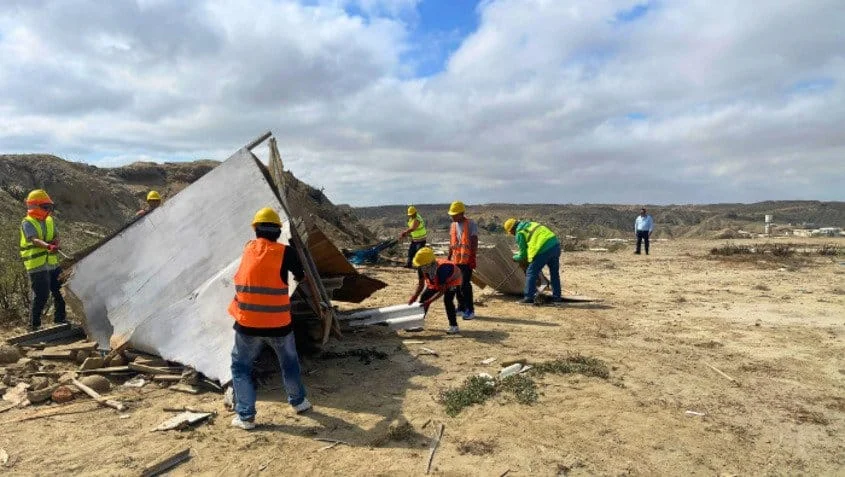
Following the completion of public tenders and procurement, construction officially broke ground. The current phase involves the mobilization of machinery to the Condoriri community, the site clearing for the primary bocatoma, and the initial deployment of the solar energy array.
Supporting Data: Why Puno Needs This Irrigation Infrastructure
To understand the scale of this project, one must look at the socio-economic reality of the Azángaro province. Historically, agricultural production in the high Andes has been at the mercy of erratic rainfall patterns.
Water Security and Crop Diversity
Before the implementation of this system, farmers in the Surupana micro-basin were heavily reliant on seasonal rain-fed agriculture. This left crops vulnerable to droughts, which have become more frequent due to climate change. By providing a reliable supply of water to over 400 hectares, the project allows for the diversification of crops. Farmers can now transition from low-value, drought-resistant grains to higher-value vegetables and legumes that require consistent moisture.
Technical Efficiency
The installation of two large storage reservoirs acts as a "buffer" for water supply. Even during periods of low flow, the reservoirs ensure that the distribution network remains pressurized. The technical assistance component of the project is equally vital; it aims to transition local farmers from flood irrigation—which leads to high water loss and soil erosion—to localized, drip-irrigation methodologies that deliver water directly to the plant roots.
Official Responses and Strategic Vision
The Regional Government of Puno has framed this initiative as a cornerstone of its "Green Agriculture" mandate.
"This project is a testament to what happens when we marry modern technology with the needs of our rural communities," stated a spokesperson for PRORRIDRE. "By choosing solar energy, we are not just saving money on electricity; we are empowering the community of Condoriri to become self-sufficient. This is the model we intend to replicate across other micro-basins in the region."
Local leaders in Azángaro have expressed optimism, noting that the infrastructure will provide the stability needed to encourage the younger generation of farmers to remain in their communities rather than migrating to urban centers. For the 300+ families involved, the project represents a pathway to economic security and a direct increase in household income.

Implications for the Future of Andean Agriculture
The implications of the Surupana irrigation project extend far beyond the borders of Condoriri. As Peru grapples with the dual challenges of food security and climate change, the success of this project could trigger a shift in how irrigation infrastructure is funded and designed in other parts of the Andes.
1. Scaling the Solar Model
If the solar-impulse pumping system proves successful in the harsh, high-altitude environment of Puno, it will provide a blueprint for other mountainous regions across Peru and neighboring countries. The ability to move water to higher elevations without the need for expensive electrical transmission lines is a "game-changer" for highland geography.
2. Economic Impact
By stabilizing the water supply, the project is expected to boost local agricultural output by an estimated 30% to 50% within the first two years of operation. Increased production will stimulate the local economy in Azángaro, creating jobs in harvesting, processing, and transportation.
3. Climate Adaptation
The project is a concrete example of climate adaptation. By creating a controlled water environment, the community is building resilience against the unpredictable weather patterns that define the climate crisis in the Andes.
4. Technical Training and Sustainability
The emphasis on "capacity building" is perhaps the most sustainable aspect of the project. By training local farmers in the maintenance of the solar arrays and the management of the irrigation network, the regional government ensures that the project remains operational long after the initial construction phase is finished.
Conclusion
The S/ 48 million investment in the Surupana micro-basin is a bold statement of intent by the Regional Government of Puno. It addresses the fundamental needs of the farming community while embracing the technological solutions of the future. As the construction crews work to set the foundations of the bocatoma and the solar panels arrive, the people of Condoriri look toward a future where water—the lifeblood of their fields—is no longer a scarce commodity, but a managed, renewable resource.
This project serves as a reminder that with the right investment in technology and human capital, the rural highlands of Peru can overcome historical barriers to productivity, paving the way for a more prosperous, sustainable, and food-secure future.