Executive Summary: A New Era for Maritime Logistics
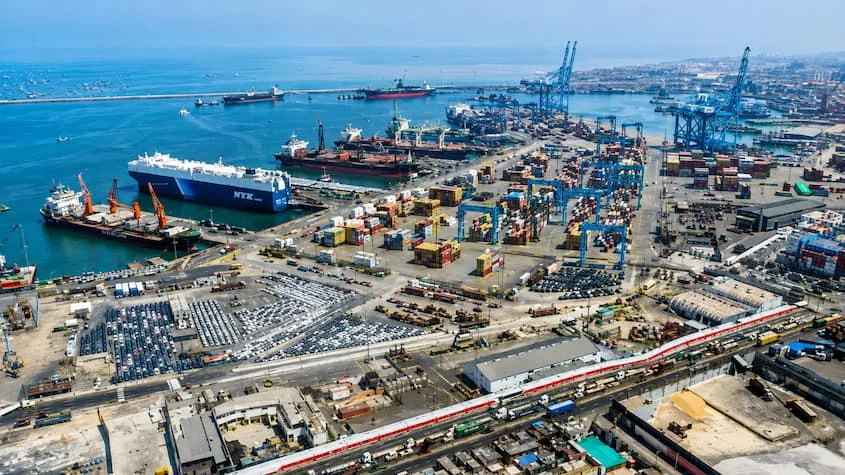
The Port of Callao, the beating heart of Peru’s foreign trade, is undergoing a profound transformation. With a strategic investment of US$ 231 million, the Terminal Norte Multipropósito is set to redefine the nation’s logistical capabilities. The centerpiece of this expansion is the construction of the new "Muelle 5C" (Pier 5C), a massive infrastructure project designed to accommodate the world’s largest container ships.
This development is not merely an engineering feat; it is a critical economic engine. By increasing the terminal’s capacity to 1.7 million TEUs (Twenty-foot Equivalent Units) annually—with the potential to scale up to 2.2 million—Peru is positioning itself as a primary maritime hub in the South Pacific. The project, led by APM Terminals Callao in coordination with the Ministry of Transport and Communications (MTC), promises to slash transit times, enhance the efficiency of agro-export supply chains, and bolster the country’s resilience against climate-related disruptions.
The Core Project: Specifications and Engineering Marvels
The cornerstone of this modernization effort is the Muelle 5C. Designed to meet the stringent demands of modern global shipping, the pier will measure 440 meters in length and feature a draft of 16 meters. These dimensions are crucial, as they allow the terminal to receive "MalaccaMax" class vessels—massive ships capable of carrying over 20,000 TEUs.
Key Technical Enhancements:
- Infrastructure: A 440-meter berth specifically engineered for high-capacity vessels.
- Operational Capacity: An initial throughput increase to 1.7 million TEUs, with a scalable path to 2.2 million TEUs.
- Advanced Equipment: The project integrates state-of-the-art MalaccaMax cranes, which are essential for handling the immense volume of containers typical of the new generation of mega-ships.
- Electrification: A core component of the project is the transition toward sustainable port operations, including a new station for charging electric machinery and a 25% increase in power connections for refrigerated containers (reefers).
The expansion of electrical points for reefers, which will reach a total of 2,000, is a game-changer for Peru’s booming agricultural sector. By ensuring that perishable goods—such as blueberries, avocados, and asparagus—are maintained at precise temperatures, the port strengthens the competitiveness of Peruvian exports in distant markets.
Chronology: From Planning to Global Integration
The road to this expansion has been a meticulous process of long-term planning and public-private synergy.

- Strategic Master Planning: Recognizing the limitations of existing infrastructure, the Peruvian government and APM Terminals identified the need for specialized deep-water berths to keep pace with global shipping trends.
- Investment Agreements: Following extensive negotiations, the commitment of US$ 231 million was finalized to modernize the Terminal Norte, ensuring that the port could handle the increasing volume of trade between Asia and the Americas.
- The Current Phase: Minister of Transport and Communications, José Angello Tangherlini, recently met with APM Terminals representatives to finalize the implementation timeline for the Muelle 5C, ensuring that all regulatory and technical milestones are met for a swift construction phase.
- Future Outlook: Once operational, the terminal will solidify its existing trade network, which currently spans over 70 countries and 220 global destinations.
Supporting Data: The Economic Impact
The Terminal Norte is more than just a gateway; it is a vital node in international commerce. Currently, the port maintains a direct maritime connection between Asia and Peru, with an average transit time of just 23 days. This efficiency is a massive competitive advantage for Peruvian importers and exporters.
Logistics and Trade Metrics:
- Volume: Current operations support a massive flow of goods that underpin Peru’s GDP. The expansion will directly alleviate current port congestion.
- Reach: The terminal currently serves 220 unique destinations, facilitating trade in everything from raw mining materials to sophisticated agro-industrial products.
- Future-Proofing: By reaching a capacity of 2.2 million TEUs, the port ensures that Peru can handle the projected growth in global trade volume for the next two decades.
Official Responses: Government and Private Sector Vision
Minister José Angello Tangherlini emphasized that this project is a "strategic infrastructure initiative for the movement of goods entering and exiting the country." He highlighted that the investment represents a long-term commitment to the country’s modernization.
"This initiative will strengthen the operational capacity of the Terminal Norte," the Minister stated. "It is a vital link that ensures the stability and growth of our supply chains, particularly during times of economic volatility or environmental challenges."
For its part, APM Terminals has expressed its alignment with the Peruvian government’s goals, focusing on digitalization, electrification, and operational safety. The collaboration marks a significant milestone in public-private partnerships (PPP) within the Peruvian transport sector, serving as a model for future infrastructure investments.
The Maritime Humanitarian Corridor: A Resilience Strategy
Beyond commercial expansion, the project addresses a critical national security and social concern: the threat posed by the El Niño phenomenon. The MTC and port operators have coordinated the implementation of a "Maritime Humanitarian Corridor."

Why a Maritime Corridor?
Climate events, such as El Niño, frequently damage Peru’s primary land-based road infrastructure. By utilizing the sea as an alternative route, the government ensures that essential goods—including modular bridges, medical supplies, and food—can be transported to the southern regions of the country, particularly the port of Ilo, even if the Pan-American Highway is compromised.
This proactive approach turns the port into a strategic hub for disaster relief. By maintaining operational readiness at the terminal, the government ensures that the maritime channel acts as a "lifeline" when traditional logistics fail, demonstrating that the modernization of Callao is as much about social protection as it is about profit.
Implications for the Future
The expansion of the Port of Callao has far-reaching implications for the South American region:
1. Competitive Advantage in the Pacific
As trade dynamics shift toward the Asia-Pacific region, Peru’s ability to handle the largest vessels in the world gives it a definitive edge over regional competitors. The 16-meter depth is a key competitive differentiator, allowing deep-draft vessels to dock without the delays associated with lightering cargo.
2. Sustainability and Green Logistics
The focus on electrifying operations is a response to global calls for decarbonization in the shipping industry. By providing charging stations and increasing refrigerated storage capacity, the terminal is aligning itself with the ESG (Environmental, Social, and Governance) goals of international shipping lines.

3. Supply Chain Reliability
For exporters, the promise of increased frequency and capacity means lower costs and more predictable delivery windows. For the average citizen, the maritime corridor ensures that even during natural disasters, the supply of essential goods will remain uninterrupted.
4. Employment and Industrial Growth
The construction and eventual operation of the new terminal will create a ripple effect of employment, from high-skilled engineering and logistics roles to maintenance and administrative positions. The port acts as a catalyst for industrial clusters in the surrounding Callao region, fostering an environment where value-added services can thrive.
Conclusion: A Vision for Tomorrow
The investment in the Terminal Norte Multipropósito is a definitive signal that Peru is ready to compete at the highest level of global trade. By combining massive physical infrastructure like the Muelle 5C with a focus on climate resilience and technological advancement, the government and APM Terminals are securing the nation’s economic future.
As the project advances, the focus will remain on timely execution and the integration of these new capabilities into the broader national strategy. In an era of unpredictable global supply chains, the Port of Callao is evolving into a bastion of stability, connectivity, and prosperity—a gateway that not only moves containers but moves the nation forward.