The promise of bringing natural gas to the doorsteps of over 201,000 households across seven diverse regions of Peru remains caught in a bureaucratic and technical bottleneck. While the project, known as "Siete Regiones," is envisioned as a cornerstone of national energy infrastructure, its execution is currently paralyzed by unresolved discrepancies between the Ministry of Energy and Mines (MINEM), the Ministry of Economy and Finance (MEF), and the regulatory body Osinergmin.
At the heart of the gridlock is a critical addendum to the existing concession contract with Cálidda. The central point of contention involves the financial treatment of infrastructure investments and the technical valuation of assets. As the government continues to weigh the fiscal implications against the urgent need for regional development, the timeline for the project’s launch remains elusive.
The Core Conflict: Investment Recovery and Regulatory Disagreements
The primary obstacle preventing the signing of the addendum lies in a fundamental disagreement over how Cálidda’s investments should be recognized and amortized within the regulatory framework.
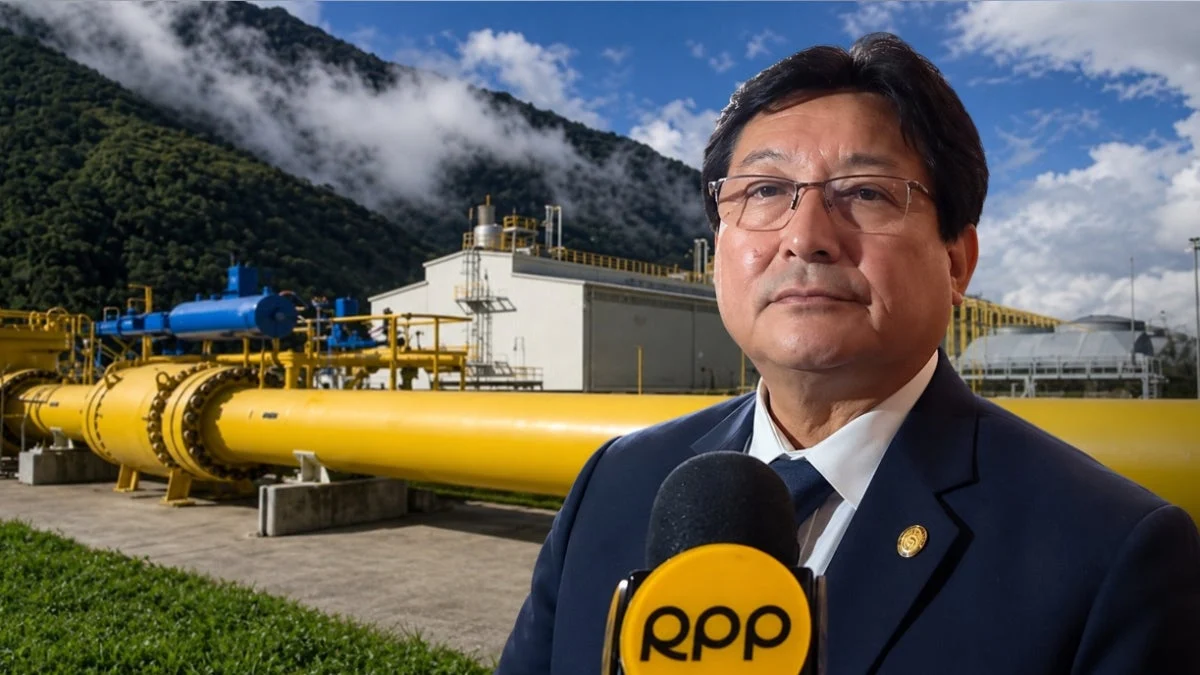
Minister of Energy and Mines, Guillermo Shinno, has been candid about the friction between his sector and the energy regulator, Osinergmin. The core of the issue is the "net book value" of assets. Under current contractual frameworks, assets are meant to be amortized over a set number of years. However, as Cálidda continues to expand its infrastructure, the timeline for investment recovery clashes with the duration of the concession contract.
"There are several observations, from the point of view of regulatory changes and what the contract establishes, regarding whether or not to recognize a net book value," Minister Shinno explained. "The assets the company invests in must be amortized over a specific number of years, but as time passes and the company continues to invest in greater infrastructure, it grows. We must ensure that the mechanism for recovery is both fair to the company and protective of the consumer."
Osinergmin has raised significant concerns regarding the risk of "double remuneration." The regulator is wary of a scenario where investments are paid for twice—once through the established tariff structure and again through the valuation of assets at the end of the contract term. This technical standoff has forced the MINEM to engage in a prolonged series of consultations with the MEF to ensure that any financial agreement reached does not result in an undue burden on the national treasury or a spike in end-user tariffs.
Chronology of a Stalled Project
The road to the "Siete Regiones" project has been characterized by high hopes followed by iterative regulatory delays.
- Early Development Phase: The government identified the need to bridge the energy gap in the provinces, moving beyond the Lima-Callao concentration. The project was designed to cover Ayacucho, Apurímac, Cusco, Huancavelica, Junín, Puno, and Ucayali.
- September 25, Current Year: The MINEM announced the completion of the final technical report for the "Siete Regiones" project, marking a milestone as the document was forwarded to the MEF for final economic validation. The Ministry expressed optimism that all previous observations had been addressed.
- October Outlook: Government officials initially signaled that the signing of the addendum would be achieved within the month of October.
- Present Day: Despite the optimism of the previous month, the timeline has slipped. Minister Shinno has declined to provide a concrete date for the signature, emphasizing that the focus remains on inter-ministerial coordination rather than meeting artificial deadlines. The current state is one of "deep evaluation."
Supporting Data: The Scope of the Investment
The scale of the "Siete Regiones" project is substantial, representing a significant shift in the country’s energy policy. According to data provided by the project stakeholders, the scope includes:
- Geographic Reach: 15 cities across seven regions (Ayacucho, Apurímac, Cusco, Huancavelica, Junín, Puno, and Ucayali).
- User Impact: Provision of natural gas to approximately 201,000 households and commercial users.
- Financial Commitment: According to Martín Mejía del Carpio, General Manager of Cálidda, the proposal involves an investment commitment of approximately US$ 600 million.
- Expansion Targets: The project has evolved from an initial proposal of 113,500 connections to a significantly more ambitious target of over 200,000, effectively doubling the original scope.
The goal is to offer these regions a tariff structure equivalent to that enjoyed by consumers in Lima, a move that would significantly lower energy costs for residential users and industrial enterprises alike in the interior of the country.
Official Responses and Ministerial Coordination
Minister Guillermo Shinno has maintained a stance of cautious transparency. In his recent statements to the media, he underscored that the government is not rushing to a decision that could prove costly in the long term.
"We are in the final stages, but we have to coordinate well with the Ministry of Economy and Finance so that no doubts remain and we can respond to any observations that have been raised," Shinno stated.
The coordination with the MEF is critical. The MEF acts as the gatekeeper of fiscal responsibility, ensuring that any regulatory changes in the gas sector align with national macroeconomic objectives. The scheduled meetings between the two ministries have been high-stakes affairs. While the immediate agenda often involves administrative permits and routine operational matters, the "Siete Regiones" addendum sits at the top of the priority list for whenever the technical teams have sufficient bandwidth to reach a consensus.
The minister acknowledged that the lack of agreement between MINEM and Osinergmin remains the primary technical hurdle. "The criteria between the Ministry of Energy and Mines and Osinergmin have not coincided on various points, but it is not something decided yet. We are in full evaluation."
Implications: Energy Security and Economic Development
The implications of failing to sign this addendum are significant for the Peruvian economy and the government’s social agenda.
1. Social Equity
The expansion of natural gas is seen as a key component in reducing poverty in the interior. By providing a cheaper, cleaner, and more efficient energy source than traditional fuels (such as LPG or kerosene), the government hopes to improve the quality of life for families in vulnerable regions.
2. Industrial Competitiveness
For the regions of Cusco, Junín, and the others, natural gas is a driver of industrialization. It allows for the development of local manufacturing and processing industries that currently rely on more expensive energy sources. A failure to execute this project hampers the competitive advantage of these regions.
3. Energy Diversification
As Peru navigates potential energy challenges, such as the volatility associated with climate phenomena like "El Niño," the diversification of the energy matrix becomes a matter of national security. Expanding the reach of natural gas is part of a broader strategy to ensure that the national grid is robust and that energy costs remain stable despite external shocks.
4. Investor Confidence
The "Siete Regiones" project is a test of the state’s ability to navigate complex contractual negotiations. If the government cannot resolve these differences efficiently, it risks signaling to private sector investors that the regulatory environment is unpredictable, which could discourage future capital infusion into the energy sector.
Conclusion: A Delicate Balance
The situation regarding the "Siete Regiones" addendum is a microcosm of the challenges facing public-private infrastructure projects in Peru. On one hand, the government is tasked with the mandate to expand public services and stimulate regional economies. On the other, it must adhere to strict regulatory and fiscal safeguards to ensure that public funds and long-term tariff structures remain sustainable.
As the negotiations continue behind closed doors, the public and the potential beneficiaries in the seven regions remain in a state of waiting. The resolution will require a compromise that respects the contractual integrity demanded by Osinergmin, the financial constraints managed by the MEF, and the ambitious developmental goals held by the MINEM. Until such a balance is struck, the dream of natural gas for over 200,000 Peruvian families remains an unfinished chapter in the nation’s infrastructure story.