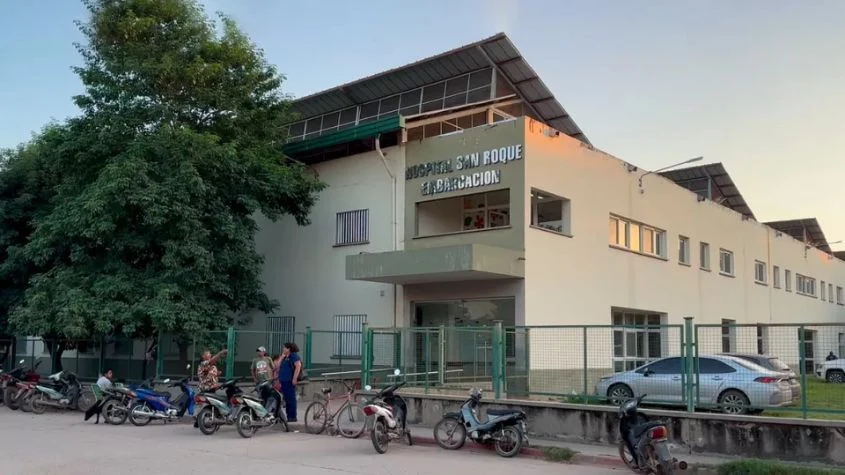
The expansion of the San Roque Hospital in Embarcación marks a transformative milestone for Northern Argentina, promising to provide critical care services to over 45,000 residents and drastically reduce the need for long-distance medical transfers.
Executive Summary: A New Era for Embarcación’s Healthcare
In a significant development for the regional healthcare infrastructure of Salta, Argentina, the San Roque Hospital in the city of Embarcación has entered the final phase of construction and implementation for its new Intensive Care Unit (ICU). This state-of-the-art facility is designed to address a historic deficit in high-complexity medical services in the northern part of the province.
By integrating specialized critical care equipment and modern safety protocols, the project aims to serve a population of more than 45,000 people. The initiative is not merely a structural upgrade; it is a strategic shift in the provincial health model, designed to ensure that patients in critical condition receive immediate, life-saving interventions within their own community rather than facing the perilous and time-consuming necessity of being transported to urban centers hundreds of kilometers away.
Chronology: The Path to Modernization
The journey to establish this ICU has been a long-term commitment by provincial health authorities. While specific timelines have been accelerated in recent months, the project represents the culmination of a multi-year planning phase:

- Initial Assessment (Phase I): Provincial health authorities conducted a demographic and morbidity study, identifying that the residents of Embarcación were disproportionately affected by the lack of local high-dependency units.
- Infrastructure Design (Phase II): Engineers and medical architects finalized the blueprints for the wing, ensuring compliance with national health safety regulations.
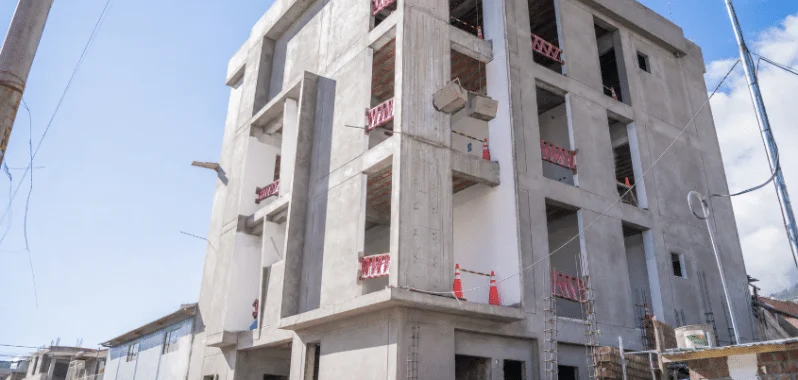
- Construction and Procurement (Phase III): The physical building project underwent rigorous construction phases, focusing on specialized medical gas installations, power redundancy systems, and sterilized environments.
- Equipment Integration (Phase IV): The most recent phase involved the installation of ventilators, cardiac monitors, and advanced diagnostic equipment, alongside the training of specialized medical staff.
- The Final Stretch (Current Status): As of late 2026, the administration is in the "final touch" stage, completing regulatory checks and safety certifications to open the doors to the public.
Supporting Data: Why This Matters
The demographic profile of Embarcación and its surrounding rural districts highlights the urgent necessity for this upgrade. Located in the Department of General José de San Martín, the area has historically faced geographical isolation.
The Impact on Patient Outcomes
- Reduced Transfer Times: Historically, patients requiring critical care had to be stabilized and moved to hospitals in Orán or the provincial capital, Salta City. This journey can take several hours, during which a patient’s prognosis often worsens.
- Capacity Expansion: The new unit adds significant bed capacity, specifically designed for high-complexity cases—patients who require constant hemodynamic monitoring and respiratory support.
- Economic Relief for Families: By decentralizing complex medical care, the government is significantly reducing the socio-economic burden on families who previously had to fund travel, accommodation, and logistics to accompany relatives transferred to distant cities.
Compliance and Safety
The project has been meticulously reviewed to meet the strict standards set by the Argentine Ministry of Health. Every element, from the electrical grid to the ventilation systems, has been designed to minimize the risk of hospital-acquired infections and ensure 24/7 operational stability.
Official Perspectives: Commitment from Leadership
Javier Biurrun, the General Manager of San Roque Hospital, has been a key figure in overseeing the transition from a standard hospital to a facility capable of handling intensive care.
"We are in the final stages of the process," Biurrun stated in a recent briefing. "The completion of this unit is a promise kept to the people of Embarcación. We have worked tirelessly to ensure that every protocol, every piece of equipment, and every safety measure meets the highest standards of the provincial health system. Our goal is to ensure that when we open these doors, the population receives the same quality of care they would find in any major urban medical center."

The provincial government has provided the necessary backing to ensure the unit is not only built but also fully staffed. This support includes the integration of intensivists, specialized nursing staff, and auxiliary medical personnel, ensuring the unit is not just a building, but a functional, life-saving department.
Implications: A Broader Impact on Regional Health
The opening of the ICU at San Roque Hospital has implications that extend far beyond the immediate city limits.
Strengthening the Referral Network
With this unit fully functional, the regional referral network becomes more resilient. Instead of larger, tertiary hospitals being overwhelmed by patients who could have been treated closer to home, they can now focus on ultra-specialized surgeries or procedures. This creates a "tiered" system of care that maximizes the efficiency of the entire provincial health budget.
Future-Proofing Healthcare
As population centers in Northern Argentina continue to grow, the infrastructure must keep pace. The integration of this ICU serves as a blueprint for future hospital upgrades across the province. It demonstrates that with consistent government support and strategic planning, the digital and physical divide in healthcare access can be bridged.

Community Resilience
For the residents of Embarcación, the arrival of this unit provides more than just medical utility—it provides peace of mind. Knowing that local medical professionals have the tools to handle emergencies locally changes the community’s relationship with its healthcare system. It fosters trust and encourages earlier medical intervention, as patients are more likely to seek help when they know they do not have to leave their home city to receive it.
Looking Ahead: The Future of Public Health in Salta
As the final administrative checks are finalized, the medical community in Salta is optimistic. The project stands as a testament to the importance of localized healthcare. In the coming weeks, the focus will shift from construction to operational management—establishing shifts, stocking pharmaceutical supplies, and conducting final system drills to ensure a seamless opening.
While the physical structure is the most visible aspect of this advancement, the true success of the San Roque Hospital’s ICU will be measured in the lives saved and the improved quality of life for the people of Northern Salta. By prioritizing the health needs of marginalized and remote populations, the province is setting a standard for equitable medical access in Argentina.
This development is a clear indicator that public health, when supported by solid infrastructure and decisive leadership, can overcome the geographical and logistical challenges that have long hindered development in the interior regions of the country. As the final ribbons are prepared, the people of Embarcación stand on the threshold of a safer, more secure future.