The political and legal landscape surrounding former Peruvian President Alejandro Toledo has reached a fever pitch, as his wife and former First Lady, Eliane Karp, has launched an urgent, public campaign for a presidential pardon. Citing a rapidly deteriorating medical condition and what she describes as a systematic "political persecution," Karp is calling upon President Keiko Fujimori to intervene before the situation results in a tragedy behind bars.
Main Facts: The Urgent Call for Humanitarian Relief
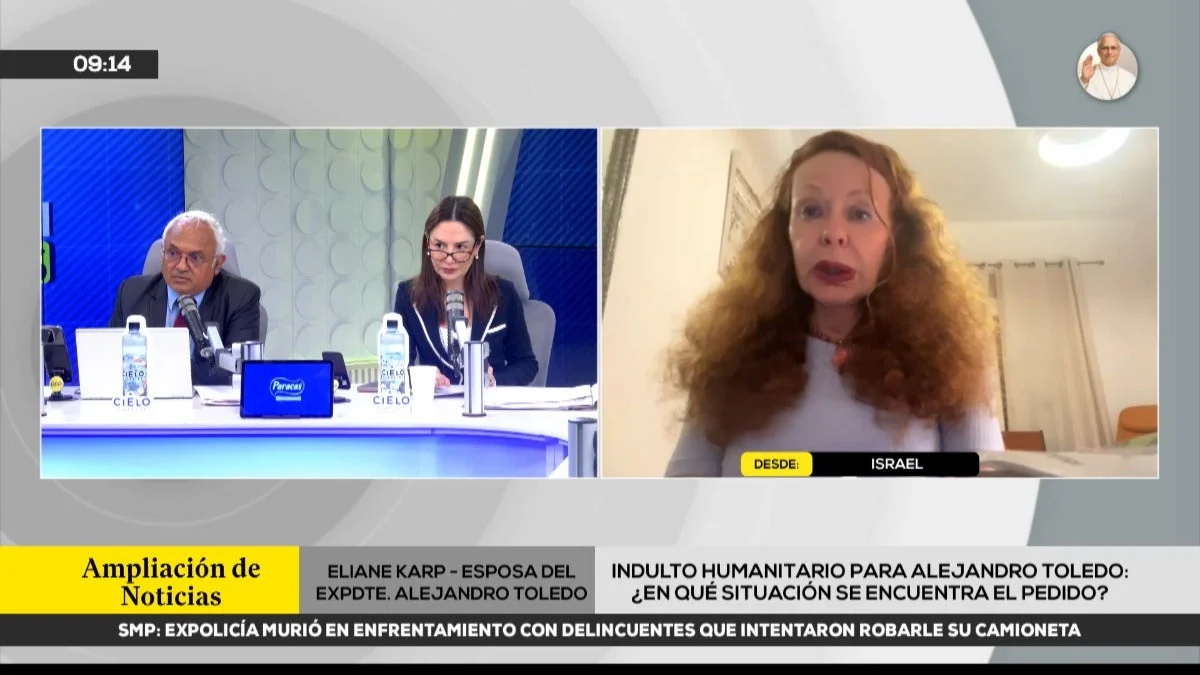
In a high-profile interview on the program Ampliación de Noticias, Eliane Karp painted a harrowing picture of the former president’s current status. According to Karp, Alejandro Toledo—who is currently incarcerated pending trial—is suffering from a complex array of medical ailments that the correctional facility is ill-equipped to manage.
"My husband is very serious; it is time to take this seriously," Karp stated, emphasizing that the stress of confinement has exacerbated pre-existing conditions. She specified that Toledo is battling significant cardiac issues, the long-term aftereffects of a previous cancer surgery performed in the United States, and, most alarmingly, the recent onset of neurological and cognitive decline.
Karp’s argument for a presidential pardon—or "gracia presidencial"—is rooted in humanitarian concerns. She asserts that the current prison environment lacks the specialized medical equipment and the expert personnel required to provide adequate care for such a multifaceted health profile. Her plea is not merely for release, but for a transition to house arrest, where she argues her husband can receive the medical attention necessary to prevent a life-threatening collapse.
Chronology: From Presidency to Prison
To understand the gravity of the current situation, one must look at the timeline that has led the former head of state to this critical juncture:
- 2001–2006: Alejandro Toledo serves as the President of Peru, presiding over a period of significant economic growth.
- The Post-Presidency Years: Following his term, Toledo moves to the United States, where he remains for over a decade. During this time, he faces allegations of corruption related to the Odebrecht scandal.
- 2019: After years of legal maneuvering and an international arrest warrant, Toledo is detained in California.
- 2023: After a prolonged extradition process, Toledo is flown to Peru to face trial, marking a historic moment in the country’s legal battle against systemic corruption.
- 2024–2025: As the trial progresses, the former president’s health becomes a recurring point of contention. His defense team, led by his family, begins to highlight his vulnerabilities, citing his advanced age and history of cancer.
- August 2026: Eliane Karp intensifies her public lobbying, directly appealing to President Keiko Fujimori following the death of her mother, framing the pardon as a final opportunity to avoid a death in custody.
Supporting Data: Medical and Legal Complexity
The medical reports cited by the defense are central to the current debate. Karp insists that the combination of cardiac, oncological, and neurological symptoms creates a "complex phenomenon" that requires an environment beyond the reach of standard prison infirmaries.
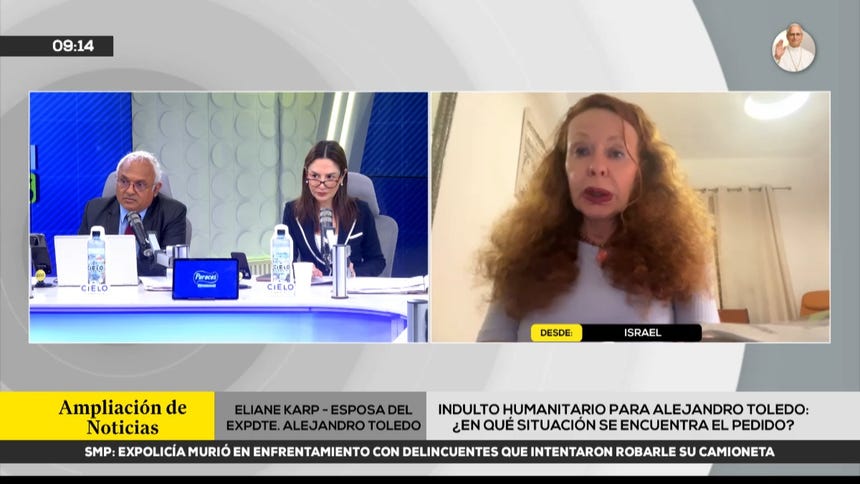
"I say this with regret, but the expertise, the specialty, and the necessary machines to care for all of this are not available [in prison]," Karp noted.
Beyond the medical data, there is a legal dimension. The defense has consistently argued that the judicial process against Toledo has been marred by irregularities. Karp specifically pointed to the Supreme Court’s handling of a pending casación (cassation) appeal, which she believes is being intentionally delayed as a form of judicial vengeance. The defense team posits that if the law were applied strictly and without bias, the case for house arrest would have been granted months ago.
Official Responses and Political Implications
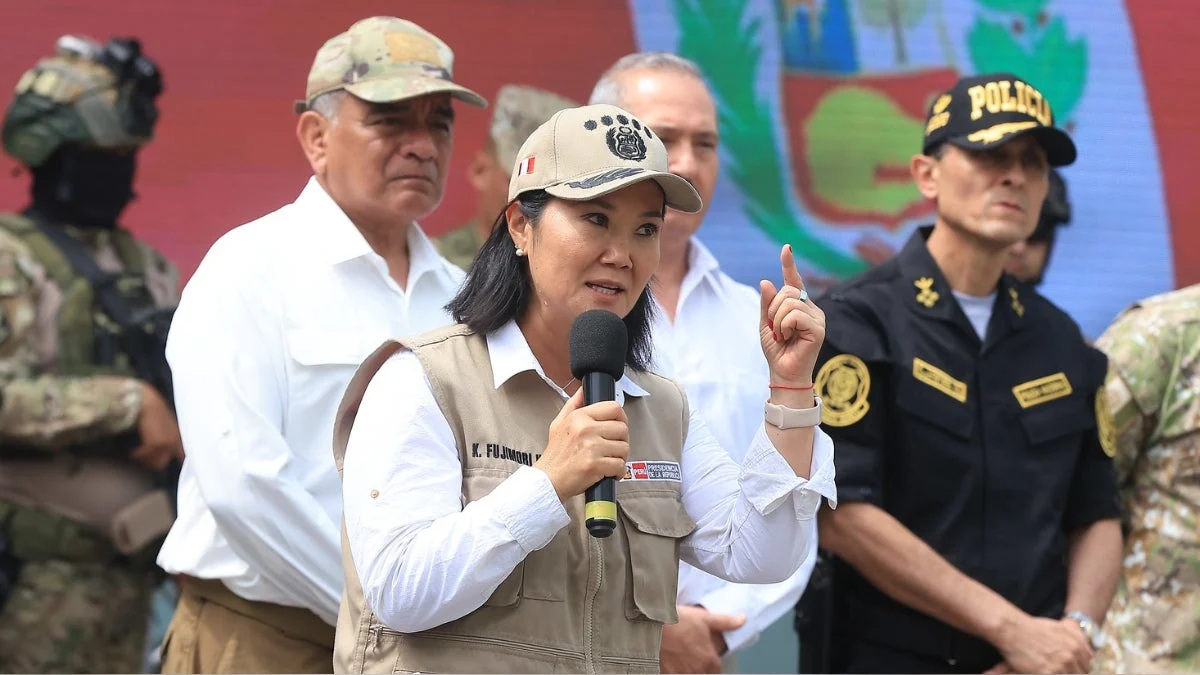
The plea for a pardon has sent ripples through the Peruvian political establishment. The request places President Keiko Fujimori in an unenviable position, forcing her to balance the rule of law and the independence of the judiciary against humanitarian pressure and the potential political fallout of granting a pardon to a controversial former leader.
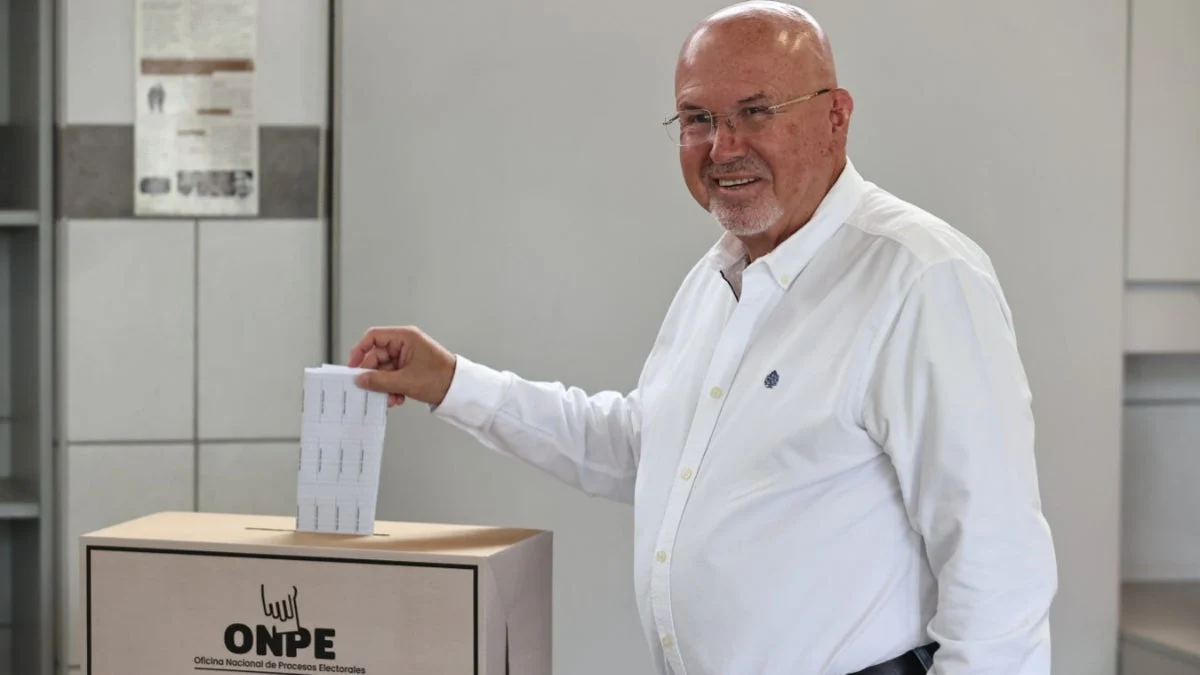
While the executive branch has remained cautious, voices from across the spectrum have weighed in. Notably, former President Pedro Pablo Kuczynski (PPK) has publicly supported the call for a pardon, stating, "He should not die in prison." This alignment of former rivals suggests a growing consensus among the political elite that the humanitarian costs of Toledo’s continued incarceration may be outweighing the perceived benefits of the ongoing prosecution.
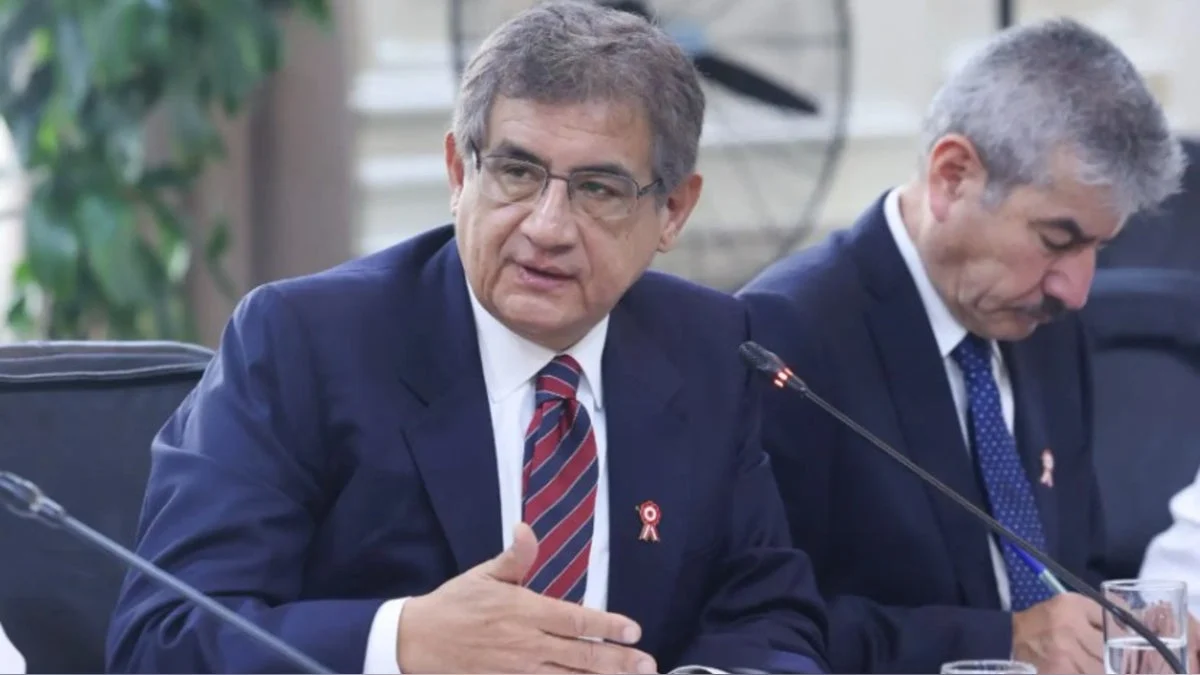
Furthermore, figures like Juan Sheput have confirmed that President Fujimori has shown a willingness to engage with the reality of the situation, having requested updates on the former president’s condition. "I hope the possibility of house arrest materializes," Sheput noted, reflecting a sentiment among some that a controlled detention environment is a more humane and practical solution than full incarceration.
The Narrative of Persecution
A significant portion of Karp’s argument centers on the claim of political persecution. She maintains that the prosecution is driven by "orders" from political actors who are seeking vengeance rather than justice. When asked to clarify why she believes the judiciary is acting in bad faith, Karp was blunt: "Because it is obviously a political persecution."
Karp’s rhetoric targets the office of the public prosecutor, suggesting that the investigation is being weaponized to settle old scores. She urged the country to move beyond "hatred and revenge," arguing that the current trajectory of the case serves no public good and only deepens the divisions in Peruvian society.
Implications for the Future of Justice in Peru
The case of Alejandro Toledo is more than just a matter of individual health; it is a litmus test for the Peruvian justice system. If the government decides to grant a pardon or house arrest, it risks being accused of fostering impunity for high-level corruption. Conversely, if it denies the request and the former president’s health suffers a catastrophic decline, the state will face severe international criticism and potential human rights repercussions.
The situation also highlights the broader challenges of high-profile corruption cases in the region. As the legal processes drag on for years, the physical toll on the defendants becomes a political issue, often overshadowing the original allegations of graft and bribery.
Conclusion
As of now, the ball remains firmly in the court of President Keiko Fujimori. The request from Eliane Karp is not merely a plea for her husband’s life; it is a challenge to the administration’s commitment to human rights in the face of intense political pressure. As the public waits for a response, the case of Alejandro Toledo remains a stark reminder of the complexities of seeking justice in a polarized nation.
Whether the state will prioritize the perceived need for total incarceration or shift toward a more humanitarian approach will determine not only the fate of the former president but also the perceived integrity of the current government’s legal and political legacy. For now, the "odios y venganzas" that Karp laments remain the defining atmosphere surrounding the trial, leaving the nation to wonder if justice can ever be truly separated from the political fray.