Executive Summary: A Resilient Mining Sector
In July 2026, the Peruvian mining industry—the backbone of the nation’s economy—demonstrated remarkable resilience and growth. According to the latest Statistical Mining Bulletin (BEM) published by the Ministry of Energy and Mines (MINEM), five of the country’s eight primary metallic products recorded significant production increases compared to the same period in 2025.
This upward trend, headlined by substantial gains in copper, silver, iron, tin, and molybdenum, underscores Peru’s pivotal role in the global supply chain for critical minerals. As global demand for energy transition metals intensifies, Peru’s ability to ramp up extraction reinforces its status as a premier global mining jurisdiction, providing a vital engine for national fiscal stability and regional development.
The Core Data: Performance Metrics for July 2026
The July data presents a comprehensive picture of a sector in expansion. The specific growth rates across the five key minerals are as follows:
- Copper: 3.7% increase (Year-on-Year)
- Silver: 0.5% increase (Year-on-Year)
- Iron: 2.4% increase (Year-on-Year)
- Tin: 6.5% increase (Year-on-Year)
- Molybdenum: 15.0% increase (Year-on-Year)
These figures are not isolated anomalies; they represent a sustained effort by mining operations to optimize efficiency and respond to favorable international market conditions.
Chronology of Growth: A Mid-Year Performance Review
The trajectory observed in July is the culmination of strategic operational adjustments made throughout the first half of 2026.
Q1 and Q2 Foundations
The year began with a cautious but steady recovery. By the end of the first quarter, MINEM reported that infrastructure investments were beginning to yield results. Projects in the southern mining corridor, particularly those centered in Moquegua and Arequipa, focused on streamlining throughput.
The July Surge
July acted as a definitive turning point for the year’s production goals.
- Early July: Initial reports indicated a strong recovery in molybdenum, with processing plants in the south reaching peak efficiency levels not seen since the previous fiscal year.
- Mid-July: The copper sector began to reflect the results of optimized extraction cycles, with an 8.4% inter-monthly increase that helped solidify the year-to-date (YTD) growth at 2.2%.
- Late July: Consolidated data from iron and tin producers showed consistent output, with iron specifically continuing a staggering year-long trend that has seen production expand by 34.5% cumulatively through July.
Deep Dive: Regional and Mineral Analysis
Copper: The National Engine
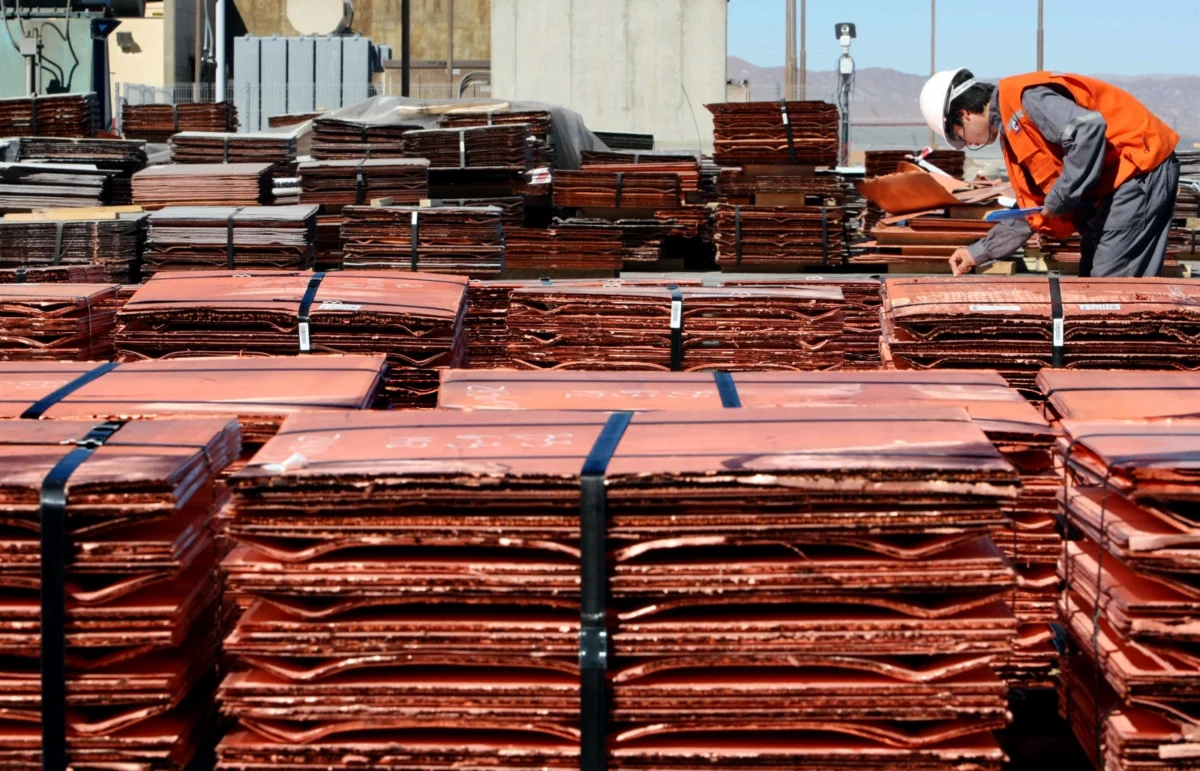
Copper remains the undisputed protagonist of the Peruvian mining sector. In July 2026, the nation’s copper output saw a 3.7% year-on-year increase. The regional breakdown highlights the geographical diversity of this production:
- Áncash: Continues to dominate the landscape, contributing 19.0% of the total output.
- Moquegua: Maintains a strong second position at 16.3%, benefiting from the full-scale operation of recent high-capacity projects.
- Apurímac: Accounts for 15.4%, remaining a crucial hub for copper extraction.
- Arequipa: Rounds out the top four with 14.6%.
Silver and The Precious Metals Market
While silver saw a more modest growth of 0.5% compared to July 2025, the inter-monthly growth of 7.2% signals an optimistic shift. The concentration of silver production remains distributed across the central and northern highlands:
- Áncash (18.8%)
- Lima (18.2%)
- Junín (15.2%)
Iron and Tin: Exceptional Accumulation
The standout performer in terms of cumulative growth is iron. With a 34.5% increase in production YTD, the iron sector is significantly outperforming its 2025 benchmarks. Similarly, the tin sector has shown resilience, reaching a cumulative total of 20,745 TMF (Fine Metric Tons) by the end of July, a 6.5% increase that highlights the efficiency of specialized operations in the southern regions.
Molybdenum: The High-Performance Mineral
Molybdenum experienced the most explosive growth of the group, with a 15.0% increase in July. The regional dominance here is clearly shifted toward the south:
- Arequipa (27.8%)
- Moquegua (26.3%)
- Tacna (24.9%)
Official Responses and Strategic Implications
MINEM’s Perspective
The Ministry of Energy and Mines has framed these results as a validation of the current regulatory framework and the industry’s commitment to sustainable production. According to MINEM officials, the growth in these five metals is not merely a quantitative win but a qualitative one, reflecting improved technical practices and better integration with local communities, which has minimized downtime.
Economic Impact
The implications for the Peruvian economy are profound:
- Fiscal Revenue: Increased output directly translates into higher tax revenues and mining royalties, which are redistributed to regional and local governments to fund infrastructure and social projects.
- Foreign Direct Investment (FDI): The stability and growth shown in the July data serve as a marketing tool for Peru, attracting further international investment.
- Trade Balance: With copper and other metals representing a significant portion of Peru’s exports, these production gains are essential for maintaining a positive trade balance and supporting the strength of the Sol against global volatility.
Future Outlook: Challenges and Opportunities
While the July data is overwhelmingly positive, the sector faces ongoing challenges. The global energy transition requires not just more copper, but "greener" copper. Mining companies in Peru are increasingly under pressure to reduce their carbon footprint, manage water usage more effectively, and ensure that their social license to operate remains robust.
The Sustainability Mandate
The next phase of growth for the Peruvian mining industry will likely focus on:
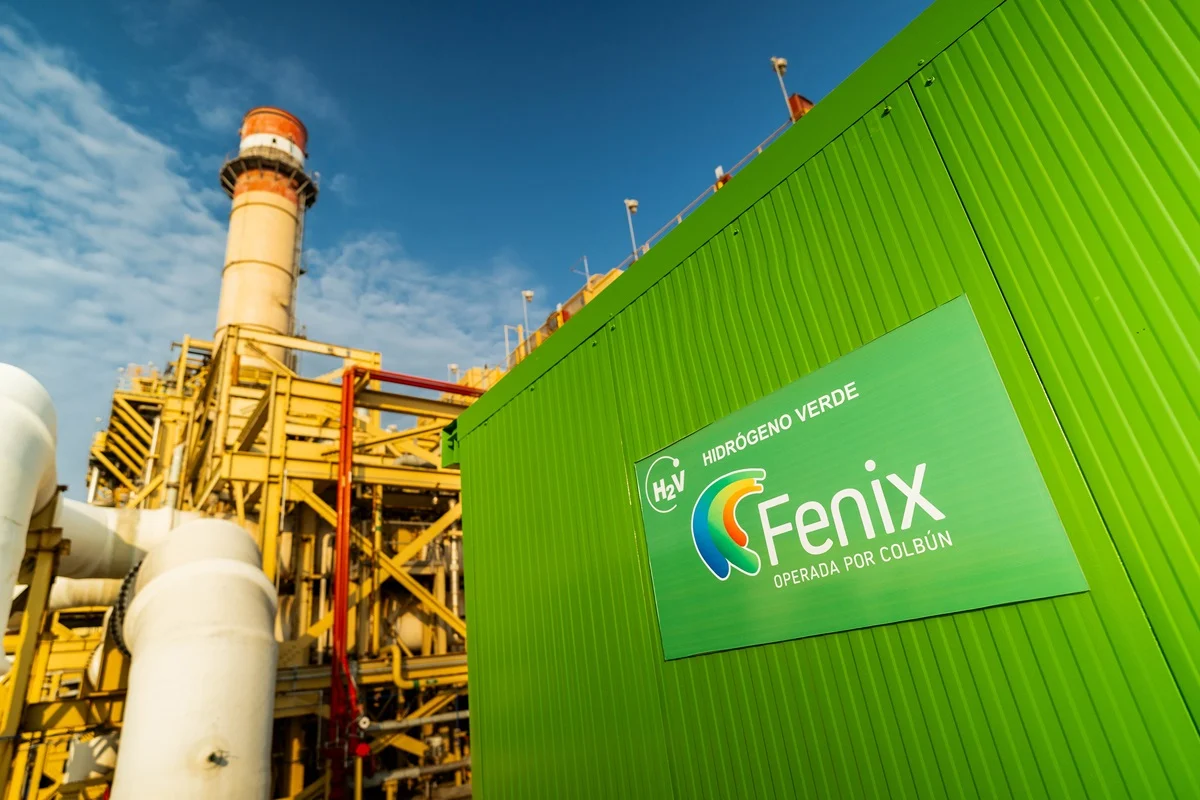
- Decarbonization: Transitioning mining fleets to electric or green-hydrogen power.
- Water Management: Scaling up desalination plants to ensure that mining operations do not compete with agricultural and residential needs.
- Digitalization: The integration of AI and predictive maintenance in processing plants—a factor that likely contributed to the 19.1% inter-monthly surge in molybdenum production.
Final Assessment
The July 2026 report is a testament to the endurance of the Peruvian mining sector. By maintaining steady growth in critical minerals despite a complex global economic environment, Peru continues to solidify its position as a global mining powerhouse. As the year progresses, the focus will shift toward sustaining these production levels through the end of Q4, with the expectation that the mining sector will remain the primary contributor to the nation’s projected GDP growth for the year.
For stakeholders, investors, and policymakers, the message from the BEM report is clear: The mining industry in Peru is not just recovering; it is evolving, expanding, and continuing to serve as the bedrock of the country’s economic future.
Data Source: Statistical Mining Bulletin (BEM), Ministry of Energy and Mines (MINEM), July 2026.