By International News Desk
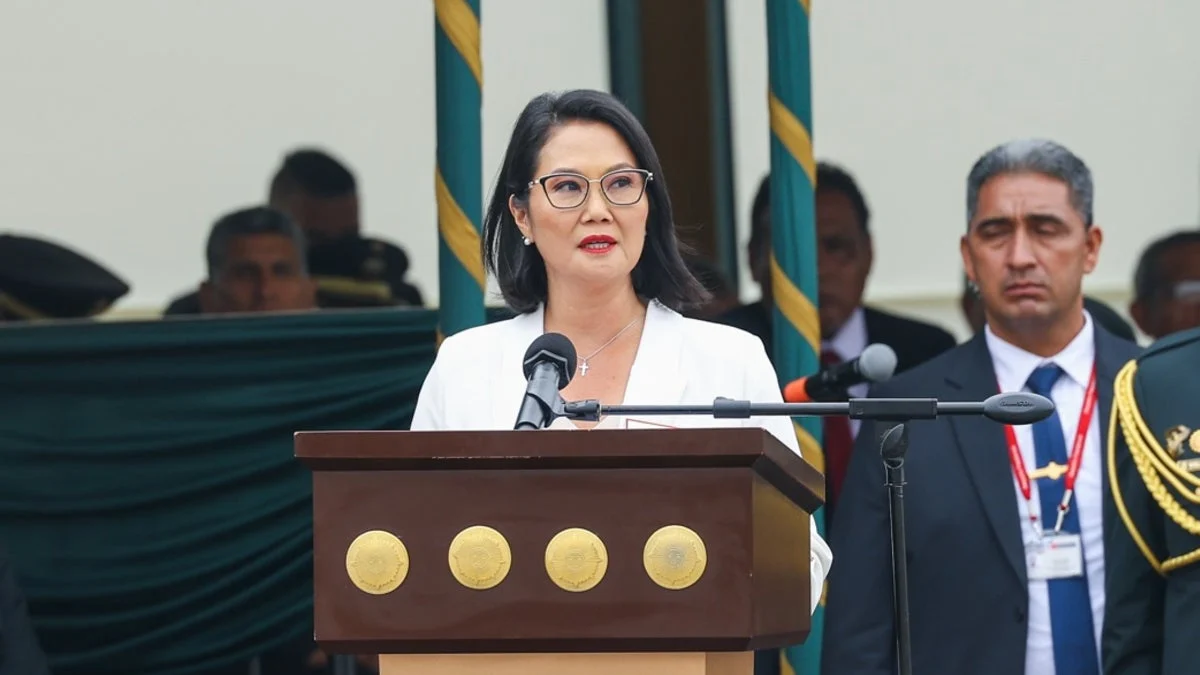
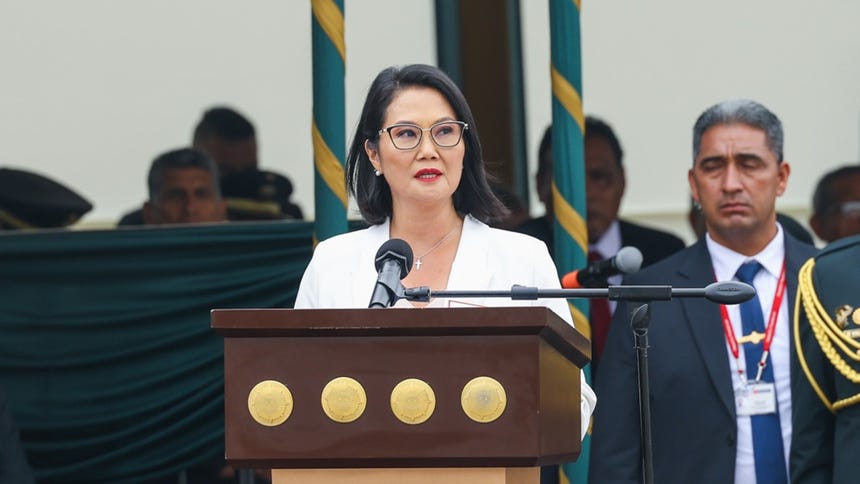
In a decisive move to reclaim public order and address the pervasive sense of insecurity gripping the nation, President Keiko Fujimori officially inaugurated a unified command structure this Wednesday. During a high-profile ceremony held at the historic Plaza Cáceres within the Army General Headquarters—the "Pentagonito"—in San Borja, the President declared an uncompromising shift in state policy, marking a fundamental transition from reactive policing to proactive, integrated military-police operations.
The announcement, which comes just over two months into her administration, signals a hardening of the government’s stance against organized crime, street delinquency, and systemic violence. Emphasizing that the current situation requires a robust response, the President framed the decision as a constitutional mandate, positioning the state as the primary aggressor against criminal elements rather than a passive observer of rising crime rates.
The Structure of the Unified Force
The centerpiece of the President’s strategy is the creation of a Joint Task Force that bridges the traditional divide between domestic law enforcement and national defense. According to official data released by the Ministry of the Interior, this combined command will consist of 1,350 specialized personnel, meticulously selected for their tactical capabilities and readiness for urban and high-intensity operations.
The composition of this force is as follows:
- Army: 500 personnel.
- National Police of Peru (PNP): 320 specialized units.
- Air Force: 250 personnel.
- Navy: 200 personnel.
- Joint Special Forces: 80 elite operators.
The Pentagonito will serve as the nerve center for this initiative, housing the centralized operations control room. From this location, the government intends to coordinate intelligence-led strikes, with the President explicitly warning criminal groups that they will face "immediate search and capture" operations in locations they least expect.
Chronology of the Decision: From Policy to Action
The road to this unified command has been marked by a period of intense deliberation within the Council of National Security and Defense (COSEDENA).
- Early Administration (Month 1): The new administration identified public security as its primary pillar, conducting comprehensive audits of existing anti-crime protocols. President Fujimori frequently noted the failures of the previous 26 years in curbing the criminal tide.
- Strategic Planning (Weeks 6-8): Under the guidance of the Ministry of Defense and the Ministry of the Interior, the administration moved to formalize the legal framework required for military involvement in internal security, ensuring alignment with constitutional limits.
- The Announcement (Day 60+): On Wednesday, October 7, the administration solidified its intent during the formal presentation at the Pentagonito, attended by high-ranking officials including Prime Minister Luis Galarreta, Minister of Defense Rafael Belaunde, and Minister of the Interior César Astudillo.
- Future Phase: The government has committed to a "systematic and permanent" disclosure of results, promising that the public will receive real-time updates regarding the progress of these operations.
A Multifaceted Strategy: Beyond the Streets
While the presence of armed personnel is the most visible aspect of the new policy, the government’s plan is surprisingly broad. President Fujimori articulated a strategy that extends into the judicial, digital, and administrative realms.
1. Penitentiary Reform and Intelligence Integration
A major pillar of the strategy involves the total isolation of high-profile inmates who continue to orchestrate criminal activity from within the prison system. The government plans to utilize advanced telecommunications jamming and specialized monitoring to ensure that incarceration effectively removes criminal leaders from the streets.
2. The Commission for the Fight Against Criminality
The creation of a specialized Executive Commission will serve as the backbone for inter-agency cooperation. This commission is designed to break down bureaucratic silos, integrating the Financial Intelligence Unit (UIF), the National Intelligence Directorate (DINI), and telecommunications regulators (Osiptel). By involving private telecommunications companies in this initiative, the state aims to dismantle the communication networks that organized crime syndicates rely upon.
3. Deportation and Border Security
President Fujimori took a firm stance regarding foreign nationals who have engaged in criminal acts within Peruvian territory. She announced a policy of expedited expulsion for those who "arrived to break the law and attack Peruvians," framing it as a necessary measure to protect the integrity of the nation’s social contract.
Official Responses and Political Implications
The President’s address was marked by a call for national unity. Recognizing that the fight against crime is a long-term endeavor, Fujimori invited opposition political forces to set aside ideological differences, stating, "The fight against crime has no ideology or political color."
Furthermore, the administration has extended an invitation to international partners, requesting the sharing of technology, intelligence, and successful anti-crime methodologies. This suggests that Peru is looking to adopt global best practices to combat transnational criminal syndicates that operate across borders.
However, the move has not been without scrutiny. Human rights advocates and legal experts are closely monitoring the operational parameters of the joint command. In anticipation of these concerns, President Fujimori was explicit in her directives to the security forces. While she promised the full backing of the Executive branch, she coupled this with a stringent list of requirements:
- Professionalism and discipline.
- Strict adherence to the rule of law.
- Operational secrecy to ensure the safety of ongoing investigations.
- "Absolute respect" for human rights and democratic norms.
"This support comes with an equally firm demand: professional conduct and a respect for the democratic order," the President emphasized.
Societal Implications: Expectations vs. Reality
The public sentiment in Peru has been characterized by a growing frustration with the status quo. For nearly three decades, citizens have felt that the state’s response to rising violence was inadequate. President Fujimori’s rhetoric—specifically the use of the term "miserable criminals"—reflects a populist commitment to ending this perceived indifference.
The decision to establish a military-police hybrid command is a high-stakes gamble. If successful, it could drastically reduce crime rates and restore faith in state institutions. However, if the operation faces procedural errors or leads to escalations in violence, the government could face significant political backlash.
The success of this initiative will ultimately depend on three factors:
- Inter-agency Synergy: Whether the traditionally distinct cultures of the military and the police can operate as a single, cohesive unit.
- Judicial Backing: Whether the justice system can handle the influx of detainees resulting from these elite operations.
- Public Support: Whether the citizenry perceives the measures as effective protection or an overreach of state authority.
As the Joint Task Force begins its deployment, the eyes of the nation remain fixed on the Pentagonito. For the administration, this is more than just a policy change; it is the central test of their governance. By placing the security of the citizen at the top of the agenda, the Fujimori government has staked its reputation on the belief that the state, when properly mobilized, remains the most powerful force against the chaos of criminal syndicates.
The weeks ahead will provide the first real test of this "great offensive," as the government transitions from the symbolic display of force at the Pentagonito to the practical, daily realities of policing a nation that is desperate for order.