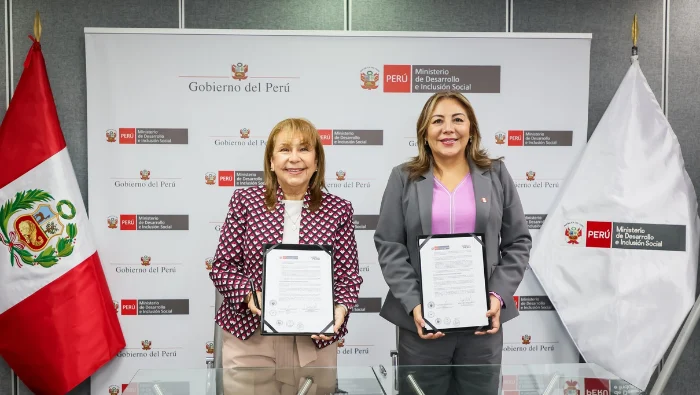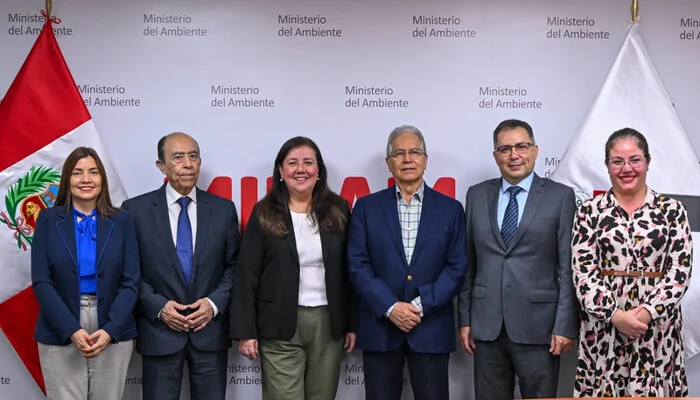
In a decisive move to modernize the nation’s environmental framework, the Peruvian Ministry of the Environment (Minam) and the Peruvian Agency for International Cooperation (APCI) have formalized a strategic partnership. This collaboration seeks to establish a high-efficiency pilot program designed to streamline the management, monitoring, and execution of international cooperation agreements dedicated to the country’s environmental agenda.
As Peru continues to navigate the complexities of climate change and biodiversity conservation, the effective deployment of external resources has become a pillar of national policy. The agreement marks a significant shift from traditional oversight to a results-oriented management model, ensuring that every dollar and technical resource provided by international partners translates into tangible environmental outcomes.
Core Objectives: Efficiency and Transparency
The primary goal of this initiative is to create a robust, end-to-end tracking system for international cooperation projects. Historically, the complexity of managing multiple multilateral agreements has led to informational silos. This new pilot aims to dismantle those barriers by integrating oversight from the moment a treaty or agreement is signed through to the final assessment of its deliverables.
Minister of the Environment, Vladimiro Huaroc, emphasized that the initiative is not merely bureaucratic, but a fundamental structural necessity. "We are modernizing the sector so that the State operates with clear rules and greater transparency," Huaroc stated during the announcement. "International cooperation must not be an abstract concept; it must be translated into concrete actions and measurable results that directly impact the lives of citizens and the health of our ecosystems."
By standardizing the evaluation of project milestones—including progress reports, technical deliverables, and stakeholder meetings—the Ministry aims to ensure that international aid is aligned precisely with the national priorities outlined in Peru’s environmental policies.
Chronology of the Initiative: Moving Toward Modernization
The decision to launch this pilot program is the culmination of a broader administrative review process within the Minam.
- Initial Review Phase (Early 2026): Minam conducted an internal audit of existing cooperation projects, identifying bottlenecks in reporting and a lack of standardized data across various environmental departments.
- Strategic Alignment (Mid-2026): Discussions began between the Ministry and APCI to identify how existing administrative protocols could be improved to better track project lifecycles.
- Technical Formalization (October 2026): The current agreement was reached, establishing a framework for collaboration that includes the appointment of technical focal points to oversee the pilot’s implementation.
- Future Rollout (Projected 2027): The pilot, once refined, is slated to become the standard management model for all environmental cooperation projects across the national sector.
Supporting Data: The Importance of Cooperation in the Environmental Sector
The environmental sector remains one of the largest recipients of international technical and financial cooperation in Peru. With the country being one of the most biodiverse in the world and highly vulnerable to the impacts of climate change, international entities—ranging from the World Bank and the Inter-American Development Bank to various European and North American development agencies—have consistently prioritized Peru in their portfolios.
However, the sheer volume of these projects—which encompass reforestation, pollution control, sustainable mining, and water management—requires a sophisticated mechanism for tracking. Currently, the lack of a centralized, real-time database often leads to duplication of efforts or delayed realization of project benefits.
The proposed unified database will serve as a single source of truth for government officials, allowing for real-time monitoring of:
- Financial Disbursement: Tracking the flow of funds against stated project milestones.
- Compliance Audits: Ensuring that international partners and national executors meet their contractual obligations.
- Impact Metrics: Quantifying the environmental improvement (e.g., hectares protected, carbon emissions reduced) resulting from each specific project.
Official Perspectives: The Role of APCI
María Garagorri Gottfried, Executive Director of the APCI, provided insight into the operational strategy behind the partnership. She underscored that this pilot is designed as an "experimental laboratory" for administrative excellence.
"The experience gained through this pilot program will allow us to identify existing gaps in communication and project management," Garagorri Gottfried explained. "By delimiting responsibilities and creating a clear management model, we are building a blueprint that can be scaled across the entire government apparatus. It is about creating a replicable standard that ensures accountability."
The APCI’s role is crucial, as the agency serves as the bridge between international donors and national executing units. By embedding this new management model within the environmental sector, the APCI and Minam are setting a precedent for how other ministries might better handle international portfolios in the future.
Implications for the Future of Environmental Policy
The implications of this partnership are far-reaching. By enhancing the efficiency of cooperation, Peru is positioning itself as a more reliable and transparent partner on the global stage.
Increased Donor Confidence
International donors prioritize countries where they can see clear, transparent reporting. By implementing a standardized monitoring system, Peru is likely to attract a higher volume of investment, as the risks associated with project mismanagement are significantly mitigated.
Policy Coherence
A major challenge for developing nations is ensuring that international projects do not conflict with domestic policy. By centralizing the management of these agreements, Minam ensures that every international project is strictly aligned with the National Environmental Policy, preventing the fragmentation of efforts and ensuring that projects support the government’s long-term environmental goals.
Capacity Building
A key component of the agreement involves training. The designated technical focal points will undergo rigorous capacity-building workshops to handle the new tracking software and management protocols. This represents an investment in human capital, ensuring that the Ministry’s staff is equipped with the skills necessary to manage modern, complex international agreements.
Conclusion: A New Standard for Governance
The partnership between the Ministry of the Environment and the APCI represents a proactive approach to one of the most persistent challenges in public administration: the effective management of international cooperation. As Minister Huaroc noted, the era of "rules-based" governance is essential for the transition toward a more sustainable and resilient Peru.
By focusing on transparency, technological integration, and clear accountability, the government is ensuring that international cooperation is no longer just a source of funding, but a strategic tool that catalyzes the nation’s environmental agenda. If successful, the pilot program will provide a roadmap for other sectors to follow, ultimately strengthening the Peruvian state’s capacity to address the most pressing environmental challenges of the 21st century.
As the country looks toward 2027 and beyond, the success of this initiative will be measured not by the number of agreements signed, but by the tangible improvements in the quality of the Peruvian environment and the efficiency with which international resources are utilized to protect it.