Executive Summary: A New Chapter for Azuay’s Connectivity
The Ministry of Infrastructure and Technology (MIT) of Ecuador has officially awarded the contract for the construction of the Gapal traffic interchange to the "Consorcio Gapal AR." This critical infrastructure project, valued at US$ 20.8 million, represents a significant milestone in the ongoing modernization of the Cuenca–Azogues highway corridor in the province of Azuay. The project is designed to alleviate chronic traffic congestion, improve safety for commuters, and facilitate more efficient logistics for both urban and rural sectors.
Following a highly competitive international bidding process that attracted eight distinct proposals, the selection of Consorcio Gapal AR marks the beginning of an 18-month construction timeline. The development is a cornerstone of a larger strategic plan to transform one of the most vital transit arteries in southern Ecuador.
Core Project Scope and Technical Specifications
The Gapal interchange project is not merely a repair; it is a comprehensive structural overhaul of a key transit hub. The technical requirements stipulated by the Ministry include several high-impact engineering components:
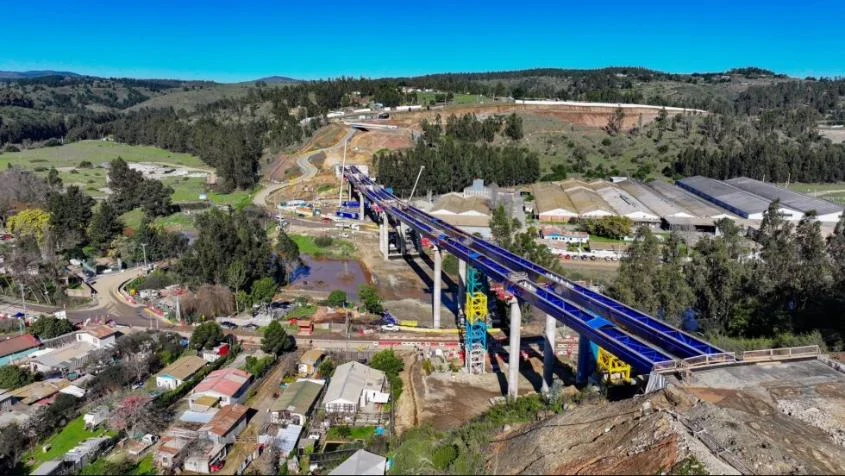
- Elevated Infrastructure: A primary feature of the project is the construction of a new three-lane elevated bridge designed to streamline the flow of traffic in the Azogues–Cuenca direction.
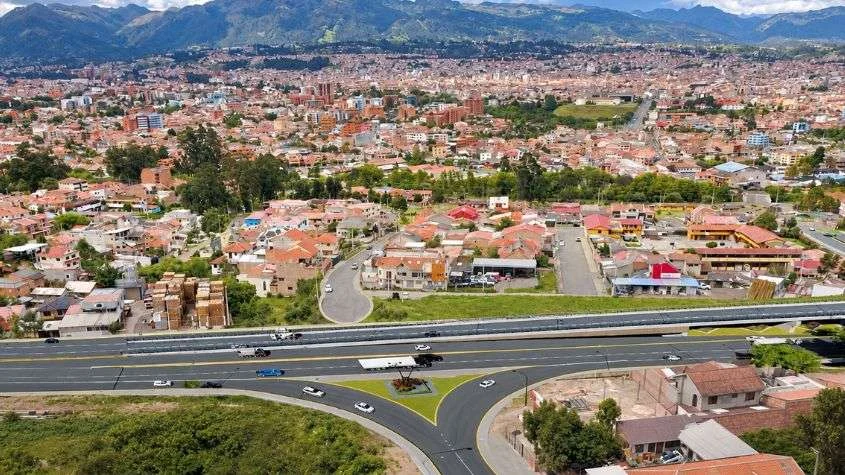
- Structural Redesign: The existing traffic circle (redondel) at the Gapal intersection will be relocated to better accommodate modern traffic volumes and reduce bottlenecks.
- Capacity Expansion: The project includes the expansion of the existing roadway to accommodate increased vehicle load, ensuring smoother transitions between the city center and peripheral regions.
- Safety and Aesthetics: Beyond the heavy civil works, the contract covers comprehensive improvements to road access, the installation of state-of-the-art horizontal and vertical signage, and a landscaping design aimed at integrating the structure into the local environment.
The selection of Consorcio Gapal AR follows a rigorous vetting process. Before breaking ground, the consortium must fulfill all regulatory requirements, including the submission of formal documentation and the necessary performance guarantees, ensuring that the project adheres to both fiscal and construction standards.

Chronology and Strategic Planning
The Gapal interchange does not exist in a vacuum; it is the second of three major interventions planned for the Cuenca–Azogues highway. The roadmap for this regional upgrade is as follows:
- Phase I (Monay–IESS Interchange): This project is currently underway and has reached a 48% completion rate in its second phase. It serves as the blueprint for the efficiency expected in subsequent projects.
- Phase II (Gapal Interchange): With the contract now awarded, the project is entering its mobilization phase. The 18-month timeline begins immediately upon the formal signing of the contract.
- Phase III (12 de Octubre Interchange): The final piece of the puzzle is currently in the preparatory stage, with international bidding expected to commence soon.
This staggered approach allows the Ministry to manage logistics and traffic diversions effectively, minimizing the impact on the thousands of daily commuters who rely on this corridor.
Financial Framework and External Support
The fiscal health of this project is underpinned by international cooperation. The funding for the Gapal interchange, as well as the broader improvements to the Cuenca–Azogues highway, is supported by the Development Bank of Latin America and the Caribbean (CAF).
CAF has committed approximately US$ 100 million toward the total modernization of this highway system. This financial backing is vital, as it allows the Ecuadorian government to undertake large-scale infrastructure projects without compromising the fiscal stability of the local Azuay provincial budget. The transparency of the bidding process—resulting in eight international proposals—demonstrates the confidence global contractors have in the viability and management of these infrastructure assets.

Official Perspectives: The Socio-Economic Impact
Mario Vintimilla, Director of Zone 6 for the MIT, emphasized the transformative potential of the project during the contract announcement. According to Vintimilla, the project is expected to generate approximately 300 jobs, encompassing both direct roles in construction and indirect positions in supply chains, logistics, and maintenance.
"This is more than just asphalt and steel," Vintimilla stated. "This project is about stitching together the urban heart of Cuenca with its rural parishes, fostering a more integrated economy for the Austro region."
The socioeconomic implications are significant:
- Reduction in Transit Times: By eliminating the bottlenecks at the current Gapal roundabout, the project will significantly reduce the time spent by public and private transport in traffic.
- Logistical Efficiency: Improved transit flows will lower the cost of transporting agricultural products from rural parishes to the urban centers of Cuenca and Azogues.
- Safety Improvements: Modernizing the intersection is expected to drastically reduce the frequency of traffic accidents, which have historically been an issue at this high-volume junction.
Challenges and Future Outlook
While the commencement of the Gapal project is a cause for optimism, it also brings the challenge of traffic management during the 18-month construction period. The MIT has indicated that coordination with local transit authorities will be essential to ensure that the disruption to the daily lives of residents is kept to a minimum.

The successful completion of the Gapal project will serve as a bellwether for the final phase of the corridor’s upgrade: the 12 de Octubre interchange. If the construction proceeds on schedule, the Ministry aims to complete the full triad of interchanges within the next few years, creating a seamless high-speed corridor that could serve as a model for regional connectivity in other parts of Ecuador.
Detailed Breakdown of Project Objectives:
- Short-Term: Immediate employment generation and procurement of materials.
- Medium-Term: Completion of the bridge and roundabout relocation, followed by safety testing.
- Long-Term: A fully modernized corridor that supports the future population growth of the Cuenca metropolitan area and enhances the competitive positioning of the Azuay province.
Conclusion
The adjudication of the Gapal interchange contract to Consorcio Gapal AR represents a calculated, well-funded, and strategically sound move by the Ecuadorian Ministry of Infrastructure and Technology. By integrating international financing from CAF with a clear, phased execution plan, the project is well-positioned to meet its objectives.
For the citizens of Cuenca and the surrounding areas, the next 18 months will be a period of transition, but one that promises a safer, faster, and more efficient future. As the construction industry watches the progress of the Gapal project, it remains a clear signal that infrastructure remains a priority for the regional development of the Austro, setting the stage for continued economic expansion and improved quality of life.
For ongoing updates on the progress of the Gapal Interchange and other infrastructure developments in the region, stakeholders are encouraged to monitor the official communications from the Ministry of Infrastructure and Technology (MIT) and regional bulletins.