Peru Fast-Tracks Disaster Mitigation: New "Express Route" for Public-Private Infrastructure Projects Against El Niño
by
Executive Summary: A Paradigm Shift in Emergency Response
In a decisive move to fortify national resilience against the impending climatic challenges of the 2026-2027 cycle, the Peruvian government has enacted Emergency Decree No. 010-2026. This landmark legislation establishes an "express route" designed to drastically accelerate the execution of public infrastructure projects using the Obras por Impuestos (OxI) mechanism—a unique public-private partnership model that allows companies to fund public works in exchange for tax credits.
The decree represents a strategic pivot in how the state manages disaster risk. By cutting through bureaucratic red tape, the government aims to transition from a reactive disaster-management model to a proactive, preemptive strategy. This initiative focuses on the critical areas of prevention, preparedness, emergency response, and rehabilitation, ensuring that infrastructure remains operational and that vulnerable populations are shielded from the severe impacts often associated with the El Niño phenomenon.
Chronology of the Legislative Push
The enactment of Decree 010-2026 follows a period of intense deliberation regarding the country’s vulnerability to hydrological and meteorological disasters.
Early 2026: Meteorological data begins to indicate a high probability of an intensified El Niño event for the 2026-2027 season, sparking concerns regarding the stability of existing infrastructure.
Mid-2026: Government agencies and ProInversión identify significant delays in traditional public procurement cycles that threaten the completion of preventive works before the rainy season.
September 2026: The Council of Ministers approves the emergency measure to bypass standard, time-consuming administrative hurdles.
Late September 2026: Official publication of Decree 010-2026, granting immediate legal authority for entities to utilize the "express" OxI route through December 31, 2027.
Streamlining the Bureaucratic Pipeline
One of the most significant aspects of the new decree is the aggressive reduction of timelines, transforming what was once a multi-month administrative process into a streamlined operation.
From Months to Weeks: The New Timeline
Under normal circumstances, the bureaucratic burden for public works—spanning from initial prioritization to the signing of investment agreements—could easily stretch across several months. The new decree enforces a strict mandate: the entire process must be completed in fewer than 30 business days.
Key milestones in this acceleration include:
Prioritization and Initial Acts: Reduced from 50 days to fewer than 10 business days.
Contracting and Finalization: Reduced from 45 days to 18 business days.
Operational Simplification
Beyond mere speed, the decree removes several legacy hurdles:
Exemption from Planning Cycles: IOARR (Investments of Optimization, Amplification, Replacement, and Rehabilitation) projects linked to emergency response no longer require prior registration in the Multi-annual Investment Program, allowing for immediate mobilization of resources.
Direct Contracting: The decree authorizes the direct hiring of private companies and supervisory entities, bypassing lengthy competitive bidding processes that are often ill-suited for emergency contexts.
Simplified Liquidation: The stages for final project liquidation and the issuance of tax certificates (CIPRL or CIPGN) have been refined to ensure that private investors can recoup their investments without undue delay, thereby incentivizing greater participation.
Supporting Data and Technical Scope
The scope of the decree is broad, covering a wide spectrum of interventions deemed necessary to mitigate the impact of El Niño. This includes, but is not limited to:
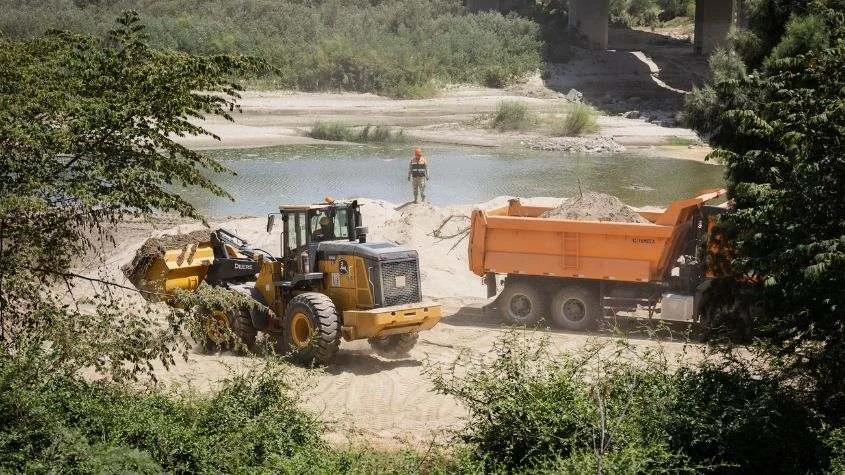
Hydraulic Infrastructure: Strengthening of river banks, dredging of drainage channels, and the reinforcement of dams.
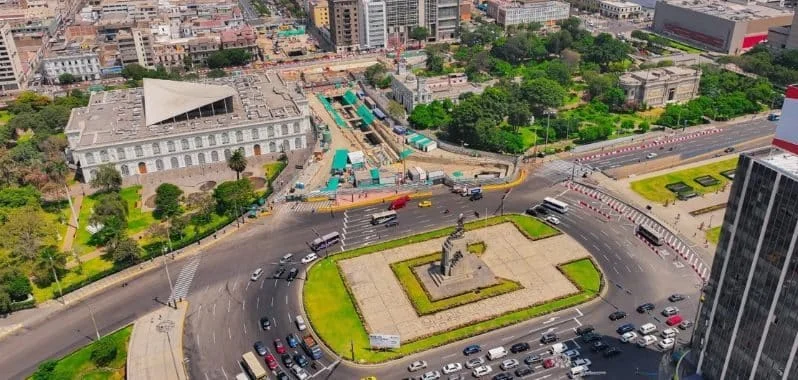
Transportation Networks: Emergency repairs on roads and bridges that are essential for the movement of food and medical supplies during floods.
Public Services: Ensuring the continuity of water, sanitation, and electrical grids in high-risk zones.
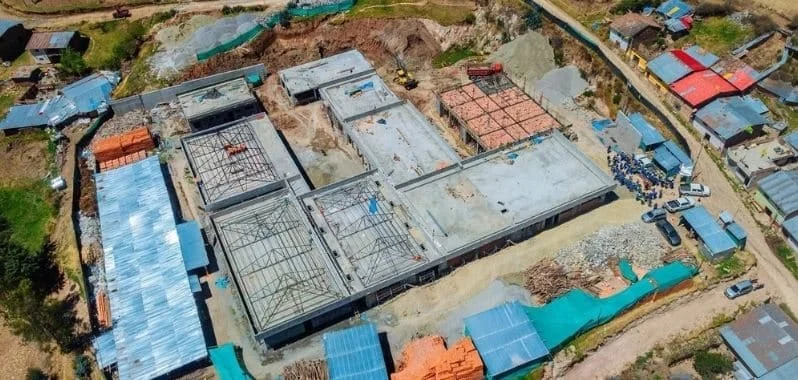
Social Infrastructure: Retrofitting schools and hospitals to serve as shelters or to remain functional during the emergency.
The Oversight bodies, particularly the Comptroller General of the Republic (Contraloría), remain empowered. While the decree mandates speed, it does not remove the necessity of accountability; the Comptroller will continue to perform both concurrent and posterior control, ensuring that the urgency of the situation is not used as a pretext for administrative irregularities or corruption.
Official Responses and Strategic Vision
The government’s rationale for this decree is rooted in the philosophy of "anticipatory governance." By leveraging the liquidity and technical expertise of the private sector, the state seeks to fill the gap left by traditional budgetary constraints.
Luis Del Carpio, Executive President of ProInversión, highlighted the necessity of this transformation:
"We are moving away from a culture of reacting after the disaster has occurred. Instead, we are utilizing the combined capacity of the State and the private sector to anticipate threats. Our goal is to protect infrastructure, maintain essential services, and, most importantly, protect the Peruvian families who are most vulnerable to these environmental shifts."
Industry experts and analysts have lauded the move as a pragmatic solution to a recurring national challenge. By incentivizing the private sector to participate in the "pre-disaster" phase, the government is essentially creating a public-private safety net that is significantly more agile than the state apparatus alone.
Implications for the Future
The implications of Decree 010-2026 extend far beyond the immediate 2026-2027 season.
1. Strengthening Public-Private Trust
By demonstrating that the state can work effectively and quickly with private entities during a crisis, the government is fostering a more robust framework for future collaborations. The success of this model could lead to permanent legislative reforms that make OxI a standard tool for emergency management in the long term.
2. Economic Resilience
The economic cost of inaction in the face of El Niño is historically astronomical, often resulting in the loss of billions of soles in agricultural output, damaged roads, and destroyed housing. By front-loading investment in prevention, the state is effectively practicing "fiscal risk management," where the cost of preventive intervention is a fraction of the cost of post-disaster reconstruction.
3. A Model for Regional Development
The decentralization of this power allows regional and local governments to take the lead in their own territories. Since regional governments are often the first to face the impact of climate-driven disasters, the ability to trigger these express projects locally empowers them to respond to their specific geographic and social needs without waiting for central authorization.
4. Sustaining Momentum
The decree’s sunset clause—December 31, 2027—is a crucial element. It provides a defined window for the "express" measures to take effect, signaling to the private sector that the time to act is now. This sense of urgency is intended to prevent the "administrative drift" that often characterizes public works, ensuring that projects are completed while the risk remains relevant.
Conclusion
Peru’s implementation of Emergency Decree No. 010-2026 is a bold, necessary evolution in governance. By acknowledging that the standard pace of bureaucracy is incompatible with the urgency of climate-driven disaster prevention, the government has successfully bridged the gap between national necessity and private-sector agility.
As the country prepares for the upcoming El Niño cycle, the success of this initiative will be measured not just in the number of projects approved, but in the durability of the infrastructure built and the safety of the citizens protected. The integration of OxI into the emergency response toolkit marks a new chapter for Peru—one where the state and the private sector act as partners in defense of the national interest against the increasing volatility of our changing climate.
With the legislative framework now in place, the focus shifts to the implementation phase. The next few months will be critical for regional authorities and private companies to align their efforts and execute the works that will define the country’s resilience for years to come.