By [Your Name/Journalistic Desk]
Peru’s mining industry has firmly cemented its status as the bedrock of the national economy, achieving a historic performance during the first half of 2026. According to the latest data released by the Ministry of Energy and Mines (MINEM), the country’s mining exports surged to an unprecedented $42.692 billion between January and June of this year. This figure represents a staggering 55% increase compared to the same period in 2025, underscoring the vital role Peru plays in the global supply chains for critical minerals.
The mining sector now accounts for an overwhelming 75.6% of the country’s total export value, acting as the primary driver of foreign currency inflows. As global markets grapple with the pressures of the green energy transition and the rapid expansion of digital infrastructure, Peru’s vast mineral wealth has become a geopolitical and economic asset of paramount importance.
The Growth Trajectory: A Chronological Breakdown
The performance of the mining sector in the first half of 2026 was not merely a stroke of luck but the result of sustained production efforts and favorable global commodity pricing.
Q1 2026: The Foundation of Growth
The year began with strong market confidence. During the first quarter, global demand for copper and gold began to climb as industrial output in major economies—particularly in Asia—showed signs of stabilization. Peruvian mining operations, having optimized their supply chains throughout late 2025, were able to meet this demand efficiently.
April–May 2026: Consolidation
As the second quarter progressed, the focus shifted toward the massive scale of silver and lead extraction. These two metals, often considered secondary to copper, saw an unexpected spike in market interest due to their essential use in high-end electronics and specialized industrial alloys. The volume of shipments began to trend upward, setting the stage for the record-breaking figures seen in June.
June 2026: The Peak Performance
The month of June alone accounted for $6.503 billion in mining exports, representing a 34.1% increase compared to June 2025. This monthly surge was driven by a confluence of high international prices and a surge in demand from the technology sector, which requires consistent supplies of copper for data centers and electric vehicle (EV) infrastructure.
Supporting Data: The Pillars of Peruvian Mining
The success of the sector is not uniform across all commodities; rather, it is anchored by a specific group of high-value metals. The Boletín Estadístico Minero (BEM) highlights that copper, gold, lead, and zinc combined represent approximately 93% of the total value of mining exports and 70.3% of the nation’s total export basket.
Commodity Performance Summary (Jan–June 2026)
The following growth rates demonstrate the diverse strength of the Peruvian mineral portfolio:
- Silver (+133.2%): The star performer of the half, benefiting from both industrial and investment demand.
- Lead (+113.5%): Driven by the global need for battery technology and protective materials.
- Iron (+83.6%): Reflecting a rebound in global steel production and infrastructure development.
- Gold (+62.0%): Maintaining its status as the ultimate store of value amidst global economic uncertainty.
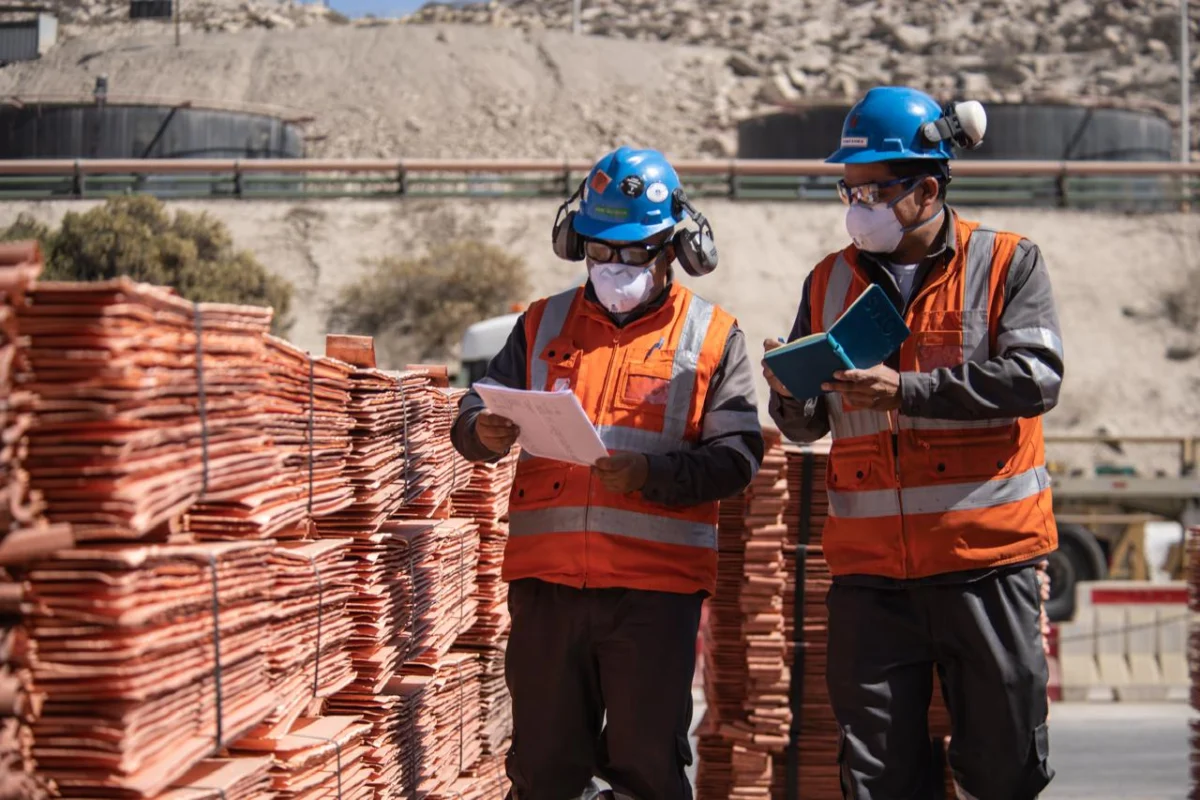
- Copper (+53.3%): The primary engine of the sector, remaining indispensable for the ongoing global energy transition.
This diversification of growth ensures that the Peruvian economy is not overly reliant on a single metal, providing a buffer against market volatility while capitalizing on the different sectors of the global technological economy.
Official Insights: The Ministry of Energy and Mines (MINEM)
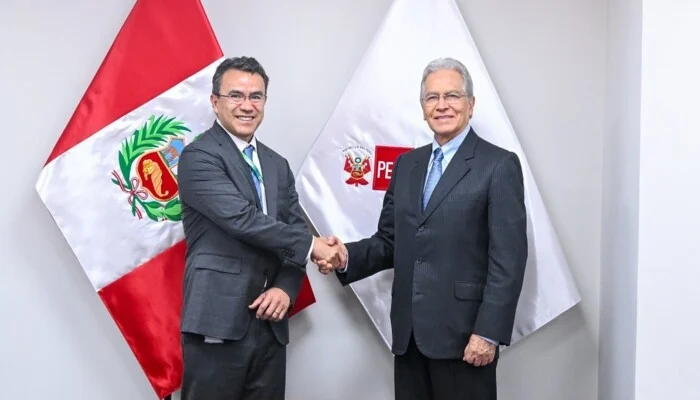
The Ministry of Energy and Mines has framed these results as a validation of Peru’s long-term mining policy. In official statements accompanying the BEM report, government representatives emphasized that the country is perfectly positioned to serve as a critical supplier for the "electrification of the world."
The Ministry noted that the mining sector’s contribution goes beyond mere export dollars. The stability of these revenues allows the state to continue funding social programs and infrastructure projects across the Andean regions. Furthermore, the MINEM pointed to the "strategic nature" of these minerals, noting that the global transition to renewable energy—including wind turbines, solar panels, and smart grids—is physically impossible without the consistent and reliable supply of copper and silver that Peru provides.
Implications: A Strategic Global Player
The implications of these figures are far-reaching, both domestically and internationally.
1. Strengthening the Macroeconomic Framework
For the Peruvian government, the $42.6 billion in mining revenue provides a much-needed boost to the balance of payments. By concentrating over 75% of total exports in this sector, Peru has effectively protected its currency and maintained fiscal stability even as other sectors of the economy face inflationary pressures. However, economists warn that this concentration also creates a "monoculture" risk, necessitating a strategic push to reinvest mining profits into research, development, and secondary industrial sectors.
2. The Energy Transition and the "Green" Market
The world is in the midst of a radical shift toward decarbonization. Copper, often referred to as the "metal of electrification," is the core component of this transition. Peru’s ability to ramp up production—while maintaining quality and accessibility—makes it a key ally for Western economies seeking to diversify their supply chains away from over-dependence on a limited number of sources.
3. Challenges and Future Outlook
While the numbers are undeniably positive, the mining sector faces ongoing challenges. The integration of ESG (Environmental, Social, and Governance) standards is becoming non-negotiable. International investors are increasingly scrutinizing the environmental impact of extraction in the Andes.
Moreover, the sustainability of this growth depends on the country’s ability to:
- Streamline Permitting: Accelerating bureaucratic processes to allow for the exploration of new deposits.
- Social License: Ensuring that mining communities benefit directly from the wealth generated, reducing social conflict.
- Infrastructure Investment: Improving the road and port infrastructure necessary to transport larger volumes of ore from remote mountainous regions to the coast.
Conclusion: A Turning Point for Peru
The performance of the mining sector in the first half of 2026 marks a pivotal moment for Peru. With growth reaching 55%, the country has proven that its mineral reserves are not just rocks in the ground, but the building blocks of the 21st-century global economy.
As the second half of 2026 approaches, the focus for the Peruvian administration and mining leaders will shift toward sustaining this momentum. If the country can successfully navigate the complexities of environmental regulation and social integration, it is poised to remain a dominant force in global mining for decades to come.
The record-breaking $42.6 billion is more than just a number; it is a signal to the global markets that Peru is open, reliable, and ready to power the future of the planet.
Data Source: Boletín Estadístico Minero (BEM) – Ministry of Energy and Mines (MINEM), June 2026 Edition.