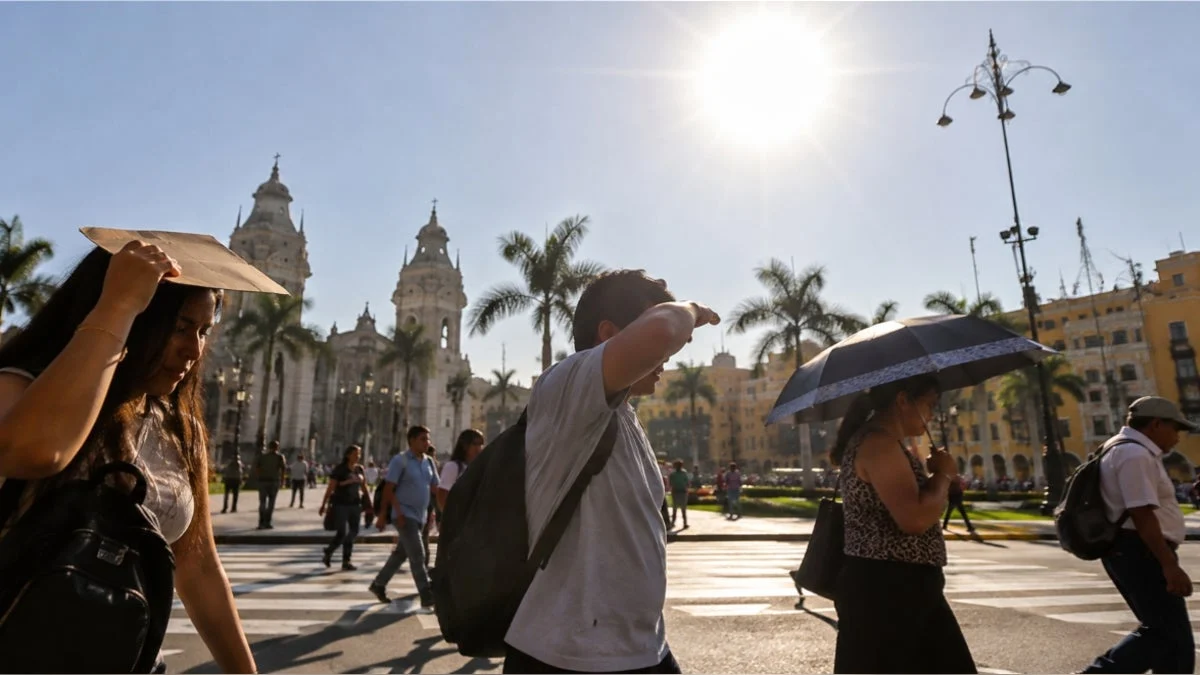
The Peruvian landscape is currently facing a dual challenge: an intensifying climate crisis and an enduring economic vulnerability. As the National Service of Meteorology and Hydrology (Senamhi) issues red alerts across the coast and highlands—warning of extreme temperatures that threaten public health—the economic repercussions are beginning to surface in data, revealing a profound disparity between formal and informal labor.
A recent, comprehensive report from the Organization for Economic Cooperation and Development (OECD) has brought to light a sobering reality: for the millions of Peruvians working in the informal sector, the scorching heat is not merely a physical nuisance, but a systemic threat to their livelihoods. Unlike their formal counterparts, informal workers are finding that rising temperatures are actively eroding their working hours, suppressing their productivity, and ultimately, threatening their financial survival.
Main Facts: A Country Under Pressure
The current meteorological crisis is driven by the prolonged presence of the El Niño phenomenon. According to projections from the Multisectoral Committee in Charge of the National Study of the El Niño Phenomenon (ENFEN), these climatic anomalies are expected to persist until the autumn of 2027.
Between October 6 and October 9, Senamhi activated a red alert across 20 regions of Peru. This alert signifies that temperatures are expected to reach critical thresholds, posing a direct threat to safety. However, while the headlines focus on the immediate health risks—such as heatstroke and dehydration—the OECD report highlights a deeper, more structural economic impact.
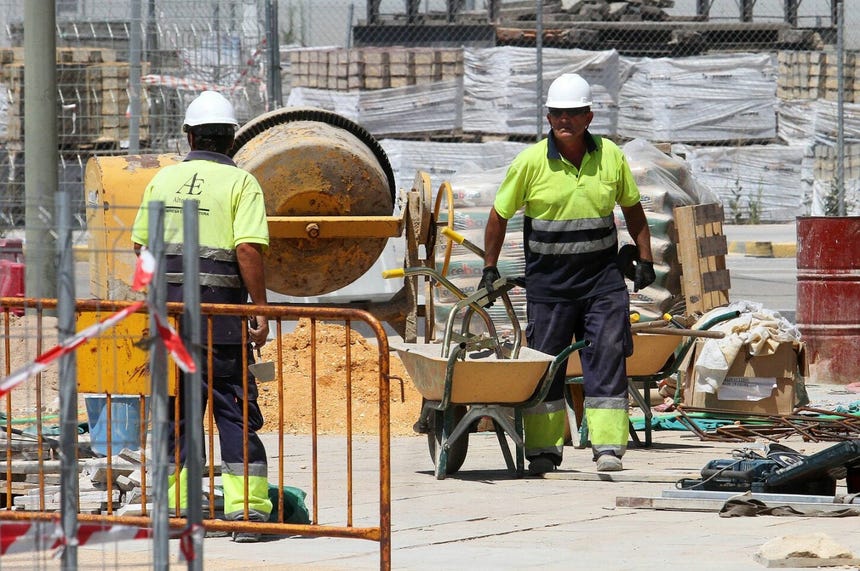
The data indicates that the "heat penalty" is not distributed equally. Informal workers, who make up a massive segment of the Peruvian economy, are significantly more susceptible to these climate shocks than formal employees. The research utilizes microdata from the National Household Survey (Enaho) and econometric modeling to demonstrate that high temperatures lead to a direct reduction in the hours these individuals are able to work, regardless of their specific industry.
Chronology of the Climatic and Economic Crisis
To understand the gravity of the situation, it is necessary to map the convergence of these environmental and economic timelines:
- Mid-2024 to Present: Consistent reports of rising global mean temperatures and the persistence of the El Niño cycle create a "new normal" for the Peruvian coast and sierra.
- October 6–9, 2026: A critical window of extreme heat triggers an official red alert from Senamhi, forcing local authorities to evaluate the impact on public infrastructure and worker safety.
- Ongoing (2026–2027): The forecasted duration of the El Niño phenomenon suggests that Peru will continue to experience heightened volatility in temperature and precipitation for the next several years.
- Projections for 2055: Looking ahead, long-term climate models suggest that the loss of working hours for the informal sector will climb to 3%, signaling a long-term erosion of wealth and development if structural interventions are not implemented.
Supporting Data: The Disparity of Vulnerability
The OECD’s analysis, incorporating the Indicadores de Informalidad (KIIbIH) database, paints a stark picture of the inequality inherent in the current climate crisis.
The Productivity Gap
The report highlights that the reduction in working hours is not merely due to physical exhaustion. Instead, it identifies a complex web of "impact channels," including demand shocks and infrastructure deficiencies. When temperatures soar, public foot traffic in traditional markets, street fairs, and outdoor commercial areas plummets. For the independent vendor, this means a direct loss of income.
The statistical divide is clear:
- Current Loss (2025): Informal workers face a 2.4% loss in working hours due to thermal impact, compared to 1.4% for formal workers.
- The Physical Effort Factor: 55% of the informal labor force is engaged in tasks requiring heavy or moderate physical exertion, compared to only 25% of the formal workforce. In these specific roles, productivity losses attributed to heat exceed 4%.
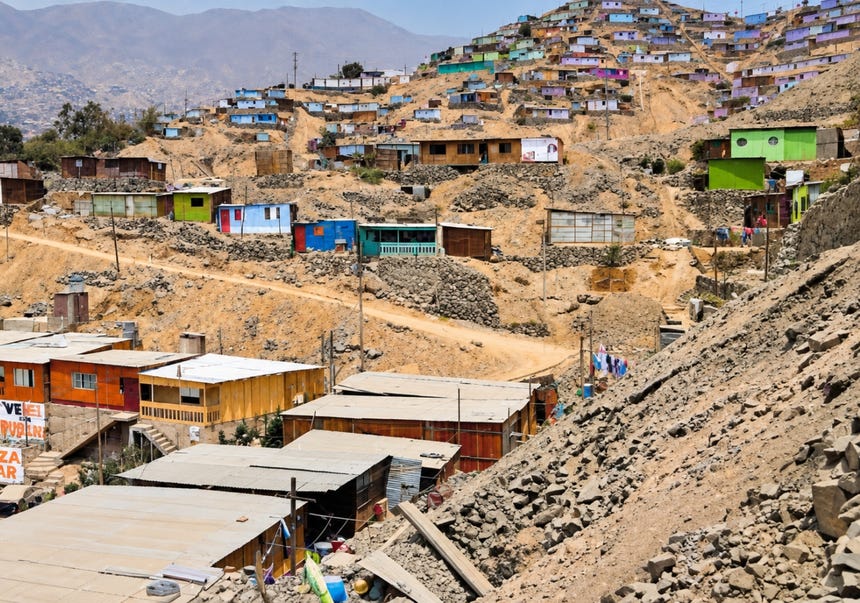
- Infrastructure Deficit: 40% of informal workers live in housing that lacks the thermal insulation necessary to recover from heat exposure, creating a cycle where the worker remains exhausted and physically stressed even after the workday concludes.
Official Responses and Strategic Challenges
The government of Peru and various policy analysts are currently in a difficult position. As the nation pushes for OECD membership, the pressure to formalize the economy and improve labor conditions has intensified. However, the current regulatory framework—which often assumes a formal employment model—is ill-equipped to address the needs of the informal worker.
The OECD stresses that standard labor laws are insufficient. Protecting a worker who operates in the shadows of the economy requires a paradigm shift. Official discourse is now turning toward "Climate-Responsive Social Protection." This involves acknowledging that environmental resilience is now a cornerstone of economic policy. The government is being urged to move beyond emergency disaster response and toward permanent, adaptive infrastructure.
Implications: The Social and Economic Ripple Effects
The implications of this phenomenon extend far beyond the individual worker; they threaten the broader economic stability of the country.
The Gendered Burden
One of the most concerning findings in the report is the "care burden." As heat waves trigger health issues, the demand for childcare and eldercare increases. Due to systemic gender roles, these responsibilities fall disproportionately on women. When schools close or relatives fall ill, women in the informal sector are often forced to sacrifice their own working hours, leading to a widening gender income gap that is directly exacerbated by climate change.
The Erosion of Long-term Potential
For those living on the margins, the loss of a few hours of work is not a minor inconvenience—it is a threat to subsistence. The accumulation of these losses leads to:
- Reduced Investment: Workers who cannot maintain consistent income are unable to invest in tools, education, or business expansion.
- Health Decay: Chronic exposure to high heat without adequate shelter or recovery time leads to long-term health degradation, which in turn reduces the future "work capacity" of the individual.
- Increased Inequality: The gap between the formal and informal sectors becomes entrenched, as formal workers have the benefit of climate-controlled environments and protective social security, while informal workers are left to bear the full cost of the climate crisis alone.
A Path Forward: Proposed Solutions
The OECD report offers a multi-pronged approach to mitigate these impacts, focusing on adaptation rather than just mitigation.
1. Architectural and Urban Interventions
The implementation of "cool roofs"—using reflective paints and specialized materials—has shown the potential to reduce indoor heat accumulation by up to 91% in informal settlements. Furthermore, urban planning must prioritize "cool zones" in high-traffic commercial areas, such as municipal markets, where public water stations and shade structures can prevent the most severe health outcomes for street vendors.
2. Parametric Insurance
Traditional insurance is often inaccessible to the informal sector. The OECD suggests the use of parametric climate insurance, where payments are triggered automatically by objective data (e.g., when temperatures exceed a specific threshold for a set number of days). This provides an immediate "safety net" income, allowing workers to stay home during extreme heat without the fear of total financial collapse.
3. Community-Based Care Networks
To address the disproportionate burden on women, there is an urgent need for community-managed cooling centers that double as childcare facilities. By professionalizing and supporting these local networks, the state can alleviate the caregiving pressure that currently forces many informal workers to abandon their posts during heat waves.
Conclusion: The Urgency of Action
As Peru strives for greater integration into the global economy, it cannot ignore the climate-vulnerable millions within its own borders. The evidence is clear: the changing climate is not a future threat, but an immediate economic driver of inequality.
If the state fails to address the "thermal penalty" paid by the informal worker, the country risks a stagnant labor market characterized by declining productivity and deepening poverty. By investing in resilient infrastructure and innovative social protections, Peru has the opportunity to lead in the development of climate-adaptive labor policies—a necessary evolution for any nation seeking to thrive in the 21st century. The heat is rising, but with strategic, data-driven intervention, the economic future of the most vulnerable need not evaporate under the sun.