In a significant move to address the burgeoning infrastructural needs of Peru, the CAF (Development Bank of Latin America and the Caribbean) has announced a strategic evaluation of a US$ 200 million financing package dedicated to water and sanitation projects in Chancay. This initiative, unveiled during high-level bilateral discussions in Montevideo, Uruguay, marks a critical step in aligning international financial support with the regional development goals of the Peruvian government for 2026.
The proposal was discussed between the Peruvian Minister of Economy and Finance, Elmer Cuba, and the Executive President of CAF, Sergio Díaz-Granados. This meeting served as the foundational pillar for a broader collaborative framework aimed at closing the infrastructure gap that continues to challenge various sectors across the nation.
Main Facts: A Multi-Million Dollar Investment Plan
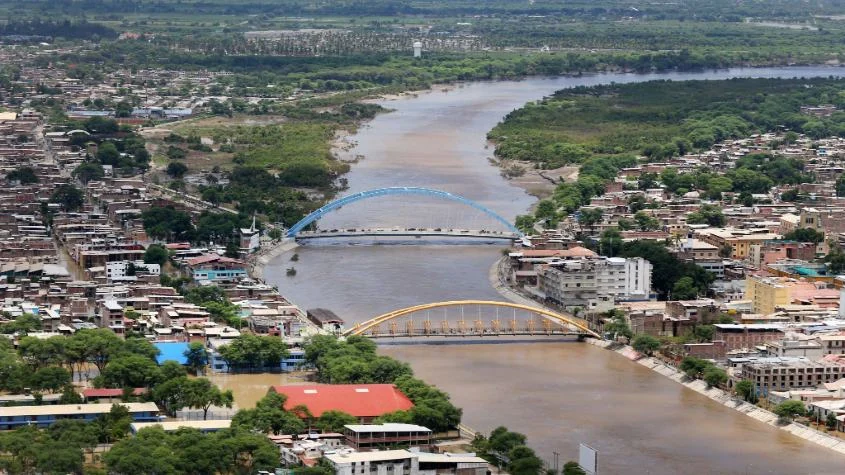
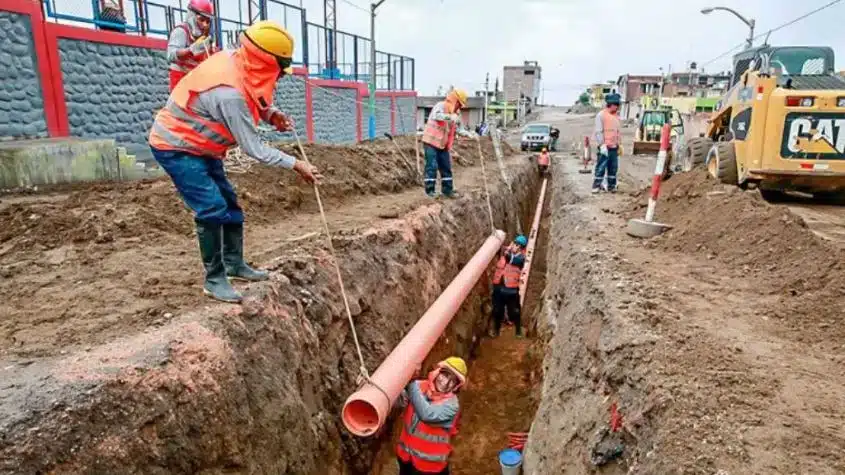
The primary objective of the proposed US$ 200 million investment is to bolster the sanitation infrastructure in the Chancay region. As Chancay positions itself as a critical logistics and maritime hub in the Pacific, the demand for high-quality public services has surged. The rapid urbanization and industrial expansion linked to the port necessitate robust water management systems to ensure both environmental sustainability and public health.
Beyond the Chancay initiative, the partnership between Peru and CAF is far-reaching. The current financing pipeline for 2026 also includes the highly anticipated "Cusco-Choquequirao Logistic Corridor," an ambitious project valued at approximately US$ 300 million. This corridor is designed to improve connectivity, enhance tourism access, and facilitate the movement of goods in the southern region of the country.
The collaboration represents a deliberate strategy to prioritize projects that provide high socio-economic returns. By focusing on both essential public services (sanitation) and economic enablers (logistics corridors), the government and CAF are aiming for a balanced development model that addresses immediate human needs while fostering long-term economic competitiveness.

Chronology of the Strategic Partnership
The development of this financing pipeline is the culmination of months of technical dialogue and strategic planning. The timeline of this collaboration underscores the commitment of both parties to operationalize these funds:
- Mid-2026: Initial technical assessments and feasibility studies for the Chancay sanitation infrastructure were conducted by regional government teams in coordination with the Ministry of Economy and Finance.
- Late October 2026: The ministerial delegation from Peru held a formal summit with CAF leadership in Montevideo. During this meeting, the final parameters for the US$ 200 million sanitation loan and the US$ 300 million logistics corridor were reviewed and vetted.
- Late 2026 (Ongoing): The formalization phase has begun, involving detailed audits and risk assessments to ensure that the projects meet the rigorous environmental and social standards required by CAF.
- 2027 (Projected): Commencement of the tender processes for the initial stages of the infrastructure works.
- 2027 and Beyond: CAF has already slated a secondary phase of evaluation for new operations, including the "Playas Norte Logistic Corridor," which aims to bridge the economic gap between Tumbes and Piura.
Supporting Data: Infrastructure and Economic Impact
The necessity for these investments is backed by substantial data regarding Peru’s infrastructure deficit. According to current economic reports, the demand for water and sanitation services in rapidly growing districts like Chancay has outpaced the current capacity of the local networks.
The US$ 200 million earmarked for sanitation is expected to:
- Increase Coverage: Expand the reach of potable water to underserved peri-urban communities.
- Environmental Compliance: Modernize wastewater treatment plants to meet international environmental standards, which is vital for a region that relies heavily on its coastal and maritime ecosystem.
- Public Health: Significantly reduce the incidence of waterborne diseases, thereby lowering the long-term burden on the public health system.
Regarding the Cusco-Choquequirao Logistic Corridor, the economic impact is projected to be transformative. By improving access to one of the most important archeological sites in the Andes, the project is expected to:
- Stimulate the regional tourism economy, providing a sustainable income source for thousands of local families.
- Reduce transportation costs for agricultural products from the highlands, improving the profit margins for small-scale farmers.
- Integrate the southern regions into the national and international supply chains more effectively.
Official Responses and Strategic Vision
During the discussions in Montevideo, both the Peruvian government and the CAF leadership expressed a strong desire to see these projects materialize as soon as possible. Minister Elmer Cuba emphasized that the government is fully committed to "fiscal responsibility while pursuing aggressive development goals." He stated that the partnership with CAF is "not just about the capital, but about the technical expertise and the developmental vision that the multilateral bank brings to the table."

Sergio Díaz-Granados, in his capacity as the President of CAF, reiterated that the bank views Peru as a key partner in the region. "Our mandate is to bridge the gap between where countries are and where they need to be to ensure the prosperity of their citizens. The projects in Chancay and the southern logistics corridors are precisely the type of ‘gap-closing’ initiatives that we want to support," Díaz-Granados noted.
The multilateral bank highlighted that it is not merely acting as a creditor, but as an institutional partner. They have expressed a high degree of confidence in the current macroeconomic stability of Peru, which allows for the structuring of long-term financing that is both affordable and sustainable for the national treasury.
Implications for the Future: A Long-Term Development Roadmap
The implications of these developments extend far beyond the specific projects announced. By securing this financing, Peru is effectively signaling to international markets that it remains a stable and attractive destination for infrastructure investment.
Expanding the Scope to 2027
The forward-looking agenda for 2027 indicates that the government is already planning the next wave of development. By focusing on sectors such as justice, agriculture, and further logistics infrastructure, the state is demonstrating a holistic approach to development. The "Playas Norte Logistic Corridor" (Tumbes-Piura) is particularly significant as it aims to strengthen trade ties with Ecuador and enhance the agricultural export capacity of the northern coast.
Institutional Strengthening
The partnership also suggests an increase in the institutional capacity of the regional governments. As these projects move from planning to execution, the involvement of local authorities in managing CAF-funded resources will likely lead to better governance practices and improved technical management of public assets.

Environmental and Social Sustainability
A key component of the CAF-funded projects is the adherence to environmental, social, and governance (ESG) criteria. The projects in Chancay will be subject to strict oversight regarding their impact on the local environment. This ensures that the modernization of infrastructure does not come at the cost of the region’s natural resources, which are essential for its future economic growth.
Conclusion
The announcement of the US$ 200 million investment for Chancay and the additional support for the Cusco-Choquequirao corridor underscores a pivotal moment for Peru’s infrastructure development. By engaging with multilateral partners like CAF, the nation is securing the financial and technical backing necessary to modernize its most critical sectors.
As these projects transition from the negotiation table to the construction phase, they hold the promise of not only improving the quality of life for the residents of Chancay and Cusco but also laying the groundwork for a more competitive, connected, and sustainable Peruvian economy. The strategic alignment of these efforts, combined with the planned 2027 projects, suggests that Peru is entering a period of robust infrastructural revitalization, one that aims to leave no region behind in its pursuit of national prosperity.