The political landscape of the nation was thrown into disarray this week as the scheduled plenary session to debate the censure of Interior Minister César Astudillo was abruptly suspended. The move, which effectively stalled a high-stakes legislative maneuver, was triggered by a sudden and dramatic shift in the stance of the Civic Works Party (Partido Cívico Obras). Following intense internal deliberations and pressure from the party’s leadership, three key deputies officially retracted their signatures from the motion, stripping the proposal of the necessary parliamentary backing to proceed.
The Turning Point: A Party Directive from Above
The crisis centered on a pivotal meeting held between the parliamentary group of the Civic Works Party and their party leader, the prominent political figure Ricardo Belmont. For weeks, the legislative body had been rife with tension regarding Minister Astudillo’s performance, particularly concerning his perceived inability to curb rising crime rates. However, the internal cohesion of the opposition movement fractured when the party hierarchy intervened.
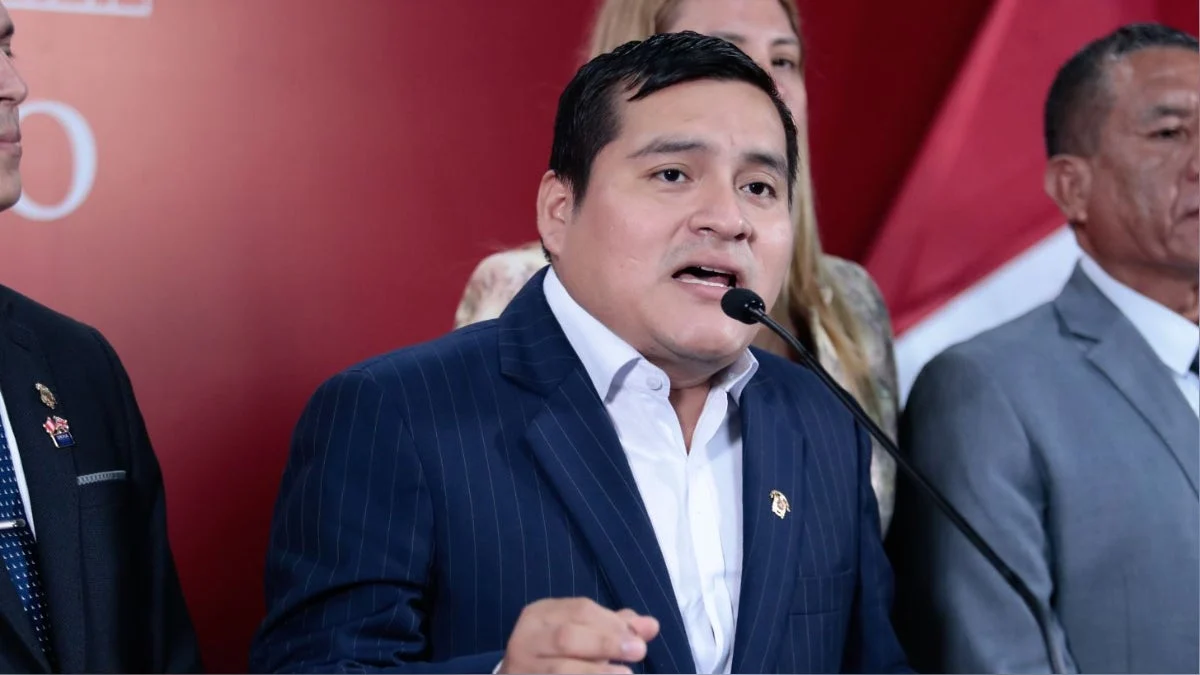
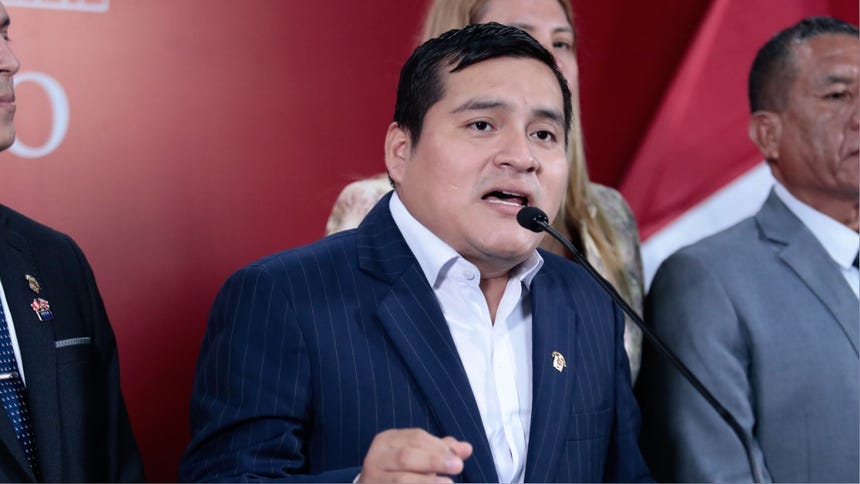
Víctor Piñón, the official spokesperson for the Civic Works caucus in the Chamber of Deputies, confirmed to the press that the decision to withdraw support for the censure motion was a direct result of the guidance provided by Belmont. According to Piñón, the leadership argued that the Minister of the Interior deserved a "reasonable period" to implement his security strategies.
"We have listened to the counsel of a figure like Ricardo Belmont, who possesses extensive experience in public administration," Piñón stated during a press briefing. "He advised us to grant the Interior Minister a grace period of five to six months to demonstrate the efficacy of the work he intends to perform. As a group, we have decided to adhere to that vision."
This admission highlights a significant internal struggle within the party, as Piñón acknowledged that he personally favored the censure initially but felt compelled as a spokesperson to represent the collective, guided decision of the organization.
Chronology of the Legislative Standoff
The events leading up to the suspension of the session reveal a volatile political environment:
- Initial Filing (Previous Week): A coalition comprising the Juntos por el Perú party, the Buen Gobierno alliance, and the Partido Cívico Obras officially presented a motion of censure against Minister César Astudillo. The document was backed by 35 signatures, citing a lack of leadership and insufficient idleness in the face of the nation’s security challenges.
- The Ultimatum (Monday): Ricardo Belmont made a high-profile appearance on Ampliación de Noticias, where he vehemently rejected the move to remove the minister. He characterized the attempt as a "betrayal" and declared that any party member who prioritized the motion was acting against the core philosophy of the Obras movement.
- The Internal Purge (Tuesday): Following the leadership’s stern warnings—which included the threat that "those who betray will leave"—the parliamentary group met to formalize their stance.
- The Withdrawal (Wednesday): Deputies Víctor Piñón, Luis Masco Cáceres, and Heber López officially withdrew their signatures from the censure document.
- Suspension of the Session (Thursday, October 1): With the withdrawal of these signatures, the motion fell below the mandatory threshold of support. The parliamentary leadership had no choice but to declare the session on the matter suspended, effectively shelving the debate for the immediate future.
Analyzing the "Six-Month Doctrine"
The rhetoric employed by Ricardo Belmont during his intervention provides a unique window into his political strategy. Belmont, drawing on his own experience as a former mayor, asserted that a period of six months is the absolute minimum required to judge a cabinet minister’s tenure fairly.
"I have always maintained: you need six months to remove a minister, six months!" Belmont stated. "You cannot simply remove a minister after one month; you end up destroying any coherent plan. When I was mayor, I demanded that time because it takes that long to gain a clear view of the scenario and the challenges at hand. You can change your strategy, but the initial phase must be given space to breathe."
Belmont’s firm stance serves as a reminder of the power dynamics within smaller, personality-driven political parties. His explicit threat of expulsion for dissenters—"the one who betrays leaves, even if I am left with only one"—underscores the rigid discipline he maintains over his caucus, effectively neutralizing the legislative independence of his own party members.
The Broader Implications for National Security
The suspension of the censure debate has profound implications for the government’s security agenda. Minister César Astudillo has been under immense pressure to deliver tangible results in the fight against organized crime and urban insecurity. By buying the Minister six months of time, the Civic Works Party has essentially provided the government with a "political shield."
However, this move has not been without its critics. The opposition, particularly those from Juntos por el Perú, argue that the security crisis is too urgent to wait for a six-month grace period. Critics argue that the government’s inability to curb crime has already caused irreparable damage to the public’s sense of safety. By withdrawing their signatures, the deputies of Obras have effectively prevented the assembly from holding the Executive branch accountable, a move that critics suggest could lead to further disillusionment among the electorate.
Political Fragmentation and the Future of the Opposition
The collapse of this motion also exposes the frailty of the current opposition coalition. While 35 signatures were initially gathered, the ease with which three key signatures were removed demonstrates that the coalition is not built on a foundation of shared strategy, but rather on fragile, short-term interests.
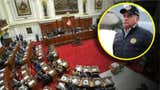
Furthermore, the public nature of the disagreement between the parliamentary wing and the leadership of the Civic Works Party creates a narrative of instability. For the government, this is a victory of divide-and-conquer politics. By failing to maintain a united front, the opposition has allowed the administration to continue its current trajectory without the threat of immediate parliamentary removal.
Expert Perspectives on the Parliamentary Maneuver
Political analysts have weighed in on the maneuver, noting that the incident reflects a broader trend in the national parliament: the subordination of legislative independence to the whims of party leaders who are not always in the chamber.
"What we are witnessing is the ‘caudillismo’ of party politics," notes one expert. "When a party leader can unilaterally command his representatives to retract their constitutional right to censure a minister, it suggests that the party system is functioning as a series of fiefdoms rather than as a deliberative body representing the public will."
The decision to postpone the debate also highlights the procedural vulnerabilities within the legislature. The fact that the withdrawal of just three signatures can halt an entire plenary session on a matter of national importance raises questions about whether the current parliamentary rules of order are robust enough to handle the pressures of a polarized political climate.
Conclusion: A Temporary Reprieve
The immediate future of Minister César Astudillo is now secure, at least until the expiration of the "six-month grace period" suggested by the Obras leadership. However, the underlying issues that led to the motion of censure—rising crime and public discontent—remain unaddressed.
For the three deputies who withdrew their signatures, the coming months will be a test of political survival. They must now navigate the pressure from their leader, the scrutiny of the public, and the skepticism of their former allies in the opposition. Whether this delay proves to be a wise strategic move or a fatal political error for the Partido Cívico Obras remains to be seen. In the halls of the Chamber of Deputies, one thing is certain: the debate over the government’s security policy is far from over; it has merely been forced into a tactical retreat.