Overview: A Strategic Response to Structural Decline and Climate Uncertainty
In a decisive move to salvage one of Peru’s most vital manufacturing industries, the administration of President Keiko Fujimori has officially declared a state of emergency for the national textile and apparel sector. The measure, formalized through Supreme Decree 014-2026-Produce, grants a 120-day window for the government to implement urgent interventions. This policy shift comes at a critical juncture, as the industry faces a "perfect storm" of long-term structural stagnation and the looming, existential threat posed by the El Niño phenomenon.
The government’s mandate is clear: to reverse a multi-year trend of declining productivity and to fortify the sector against the projected climatic disruptions that threaten to destabilize supply chains, logistics, and operational continuity.
Chronology of Decline: From 2018 to the Present
The decision to declare an emergency is not a reactionary impulse but the culmination of years of documented industrial erosion. Analyzing the trajectory of the sector reveals a somber narrative of lost competitiveness:
- 2018–2022: The Onset of Stagnation. During this period, the industry began to lose its footing, as global market competition and internal economic bottlenecks eroded the sector’s historical advantages.
- 2023–2025: The Deepening Crisis. The "value-added" generated by the sector plummeted from S/ 5.765 billion to S/ 5.482 billion—a staggering 5% reduction in real terms. This period saw the sector’s contribution to the national Gross Domestic Product (GDP) shrink from 1.1% to 0.9%.
- January–July 2026: The Breaking Point. In the first seven months of the current year, the sector recorded a precipitous 9.9% drop in cumulative production compared to the same period in 2025. With factory utilization rates hovering at a dismal 58.4%, many small and medium-sized enterprises (SMEs) reached a point of insolvency.
- Q3 2026: Official Intervention. Recognizing that market forces alone would not suffice to prevent a total collapse, the Ministry of Production (Produce) drafted the emergency decree, citing the findings of the National Study of the El Niño Phenomenon (ENFEN).
Supporting Data: Quantifying the Industrial Erosion
The technical analysis accompanying the decree provides a stark look at the "hollowing out" of the Peruvian textile industry. The statistics serve as a warning of what happens when a sector is left to face macroeconomic headwinds without structural support:
The Productivity Gap
The decline in manufacturing efficiency has been widespread. Productivity labor metrics have dropped by 4.6%, indicating that the human capital in the sector is becoming less efficient due to obsolete technology and lack of training. Furthermore, the domestic production of cotton—the backbone of Peru’s high-quality textile exports—has suffered a catastrophic 53% decline. This raw material shortage has forced manufacturers to rely on imports, further tightening profit margins.
Manufacturing Share
The sector’s share of the broader manufacturing industry fell from 8.1% to 7.4%. This contraction is particularly alarming because the textile and apparel industry has traditionally been one of the primary drivers of formal employment for the Peruvian workforce, particularly among women and heads of households in urban hubs like Lima and Gamarra.
The El Niño Factor
The ENFEN Commission has warned that the anomalous warming of the sea—a signature of the El Niño phenomenon—is expected to persist through the autumn of 2027. For the textile industry, this poses three primary risks:
- Infrastructure Damage: Flooding and landslides threaten to sever key distribution routes from manufacturing hubs to export ports.
- Supply Chain Disruption: Extreme weather patterns alter demand cycles, making inventory management unpredictable.
- Operational Continuity: Increased energy costs and potential damage to factory facilities due to humidity and storm surges could lead to forced closures.
Official Responses and Strategic Pillars
The Ministry of Production has been tasked with an aggressive timeline. Within 15 business days of the decree’s publication, the government must release the Plan for the Reactivation of the Textile and Apparel Sector. This plan is anchored by four fundamental pillars:
1. Financial Injection and Credit Access
Recognizing that liquidity is the primary barrier to survival for many SMEs, the government plans to facilitate specialized credit lines. These will focus on debt restructuring and low-interest loans specifically earmarked for equipment modernization and working capital.
2. Capacity Building and Competitiveness
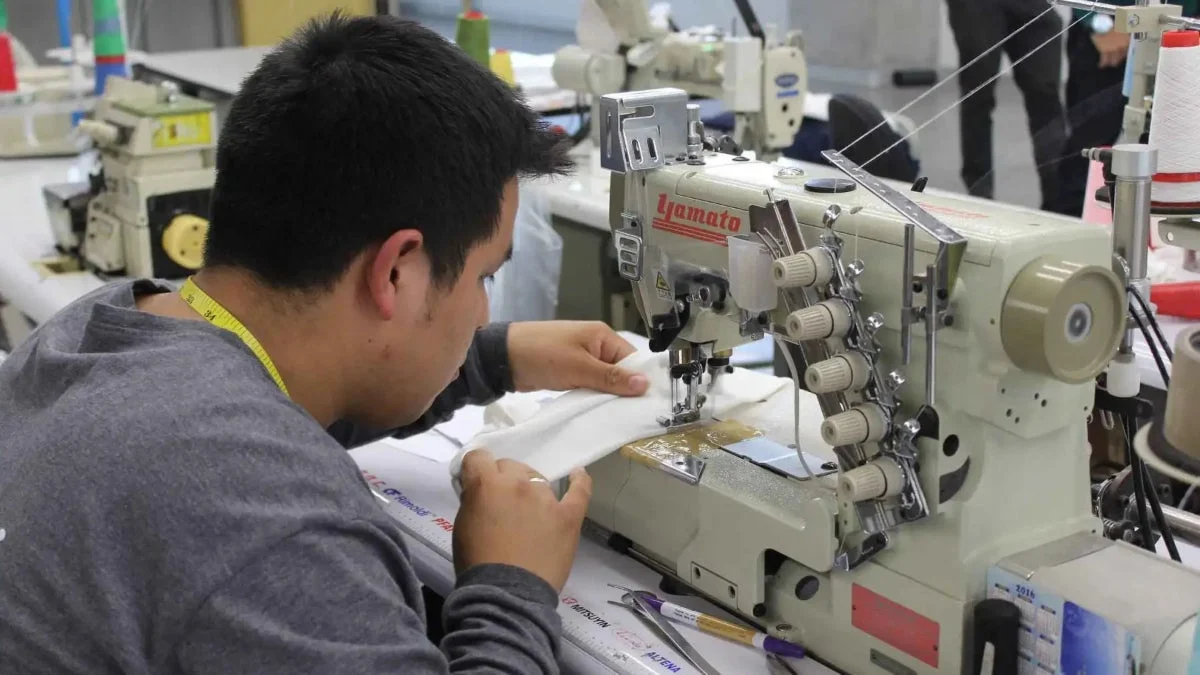
The state will invest in technical assistance programs aimed at digitizing production lines and improving the "value-added" quality of garments. By focusing on technical textiles and sustainable manufacturing, the government hopes to transition the sector from low-margin mass production to higher-margin specialized exports.
3. Facilitating Access to Public Procurement
One of the most immediate avenues for support is the government’s own spending power. By revising the criteria for public tenders, the Ministry aims to lower the barrier for micro and small enterprises to win state contracts—such as supplying uniforms, linens, and essential textiles for government agencies.
4. Market Diversification and Commercialization
To reduce reliance on traditional, saturated markets, the plan includes a strategy for trade diplomacy and international roadshows. The goal is to open new markets in the Global North and within Latin America, where Peruvian high-quality cotton is still perceived as a premium commodity.
The Role of Oversight: The General Directorate of Business Development, under the Vice-Ministerial Office of MYPE and Industry, has been appointed as the watchdog for these initiatives. They are tasked with evaluating the impact of these measures every quarter to ensure that the funds are not merely a "subsidy" but a genuine engine for structural change.
Implications: A New Era for Peruvian Manufacturing?
The declaration of a state of emergency is a high-stakes bet. If successful, it could modernize a sector that has been largely reliant on 20th-century methods. If it fails, the country risks losing a vital link in its industrial history.
The Human Element
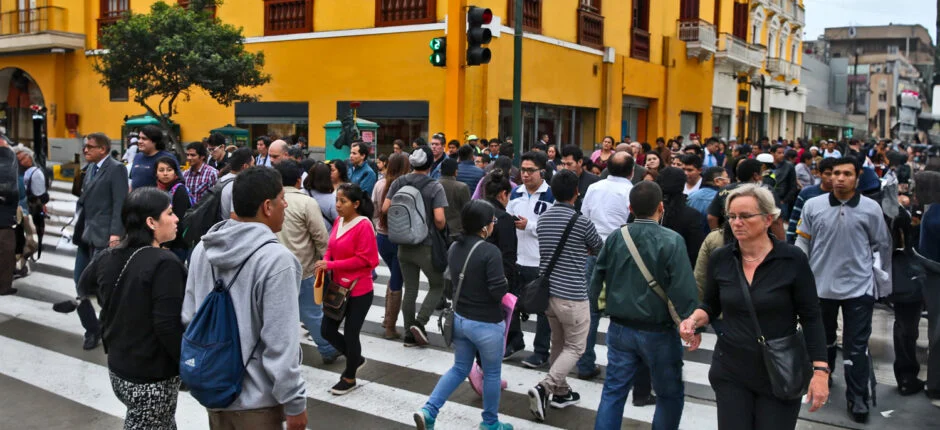
Beyond the spreadsheets and GDP percentages, the collapse of the textile sector would have profound socio-economic consequences. Thousands of jobs in the Gamarra commercial district and other manufacturing clusters are at stake. By prioritizing the sector, the Fujimori administration is signaling that it views the protection of these jobs as a matter of national security, especially in a year defined by the unpredictability of the climate.
Long-term Sustainability
Critics argue that government interventions in the textile sector have historically been temporary "band-aids." However, the current decree’s emphasis on "structural reactivation" suggests a shift toward long-term reform. By addressing the 53% drop in cotton production and the 58% capacity usage rate, the government is effectively acknowledging that the sector cannot survive on the status quo.
The move is also a test of the government’s agility. Can the Ministry of Production deliver a comprehensive plan within 15 days that actually reaches the smaller, informal workshops that form the base of the industry? Or will the aid be concentrated among larger, established firms?
Conclusion: A Race Against Time
As the effects of the El Niño phenomenon begin to materialize, the 120-day emergency window represents a race against time. The Peruvian textile industry is currently in a state of convalescence; it requires both emergency triage and a long-term plan for rehabilitation. Whether this government intervention will provide the necessary stimulus to restore Peru’s reputation as a textile powerhouse or merely delay the inevitable decline remains the defining question for the Ministry of Production in the coming months.
The global textile market is changing rapidly, shifting toward sustainability and rapid digital adaptation. Peru’s ability to align its sector with these trends, while simultaneously bracing for the ecological impact of El Niño, will determine if the "threads" of this industry continue to weave the fabric of the national economy or unravel under the pressure of the 21st century.