By Agricultural Correspondent
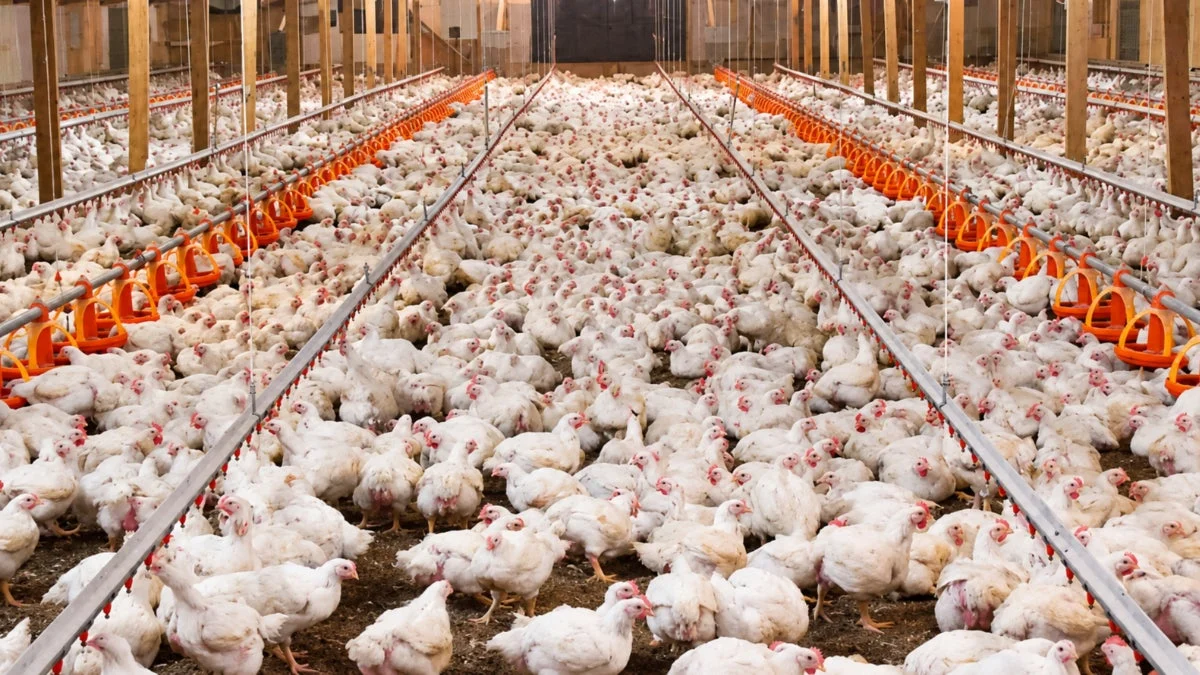
In a significant milestone for the Peruvian agricultural sector, the World Organisation for Animal Health (WOAH)—formerly known as the OIE—has officially recognized Peru as a country free of highly pathogenic avian influenza (HPAI) in poultry. This international certification, finalized on September 24, 2026, marks the culmination of rigorous sanitary surveillance and proactive containment efforts led by the National Agricultural Health Service (SENASA).
For a nation where chicken is a staple of the national diet and the poultry industry serves as a cornerstone of the economy, this recognition provides a vital sense of stability for both producers and consumers.
The Core Facts: What This Certification Means
The WOAH’s formal acceptance of Peru’s self-declaration, filed in accordance with the Terrestrial Animal Health Code, serves as an international seal of approval. It confirms that the viral threats posed by the H5N1 strain, which had previously caused widespread concern across the continent, have been effectively mitigated within the country’s poultry borders.
For the average citizen, this announcement serves as a scientific guarantee of safety. The Ministry of Agrarian Development and Irrigation (MIDAGRI) has emphasized that the absence of the virus means there is no risk to public health from the consumption of poultry products. The certification acts as a "green light" for the continued growth of the industry, removing the shadow of potential trade restrictions and domestic market disruptions.
Chronology: From Emergency to Recovery
To understand the magnitude of this achievement, one must look back at the challenging path the Peruvian agricultural sector navigated over the past year.
The Outbreak
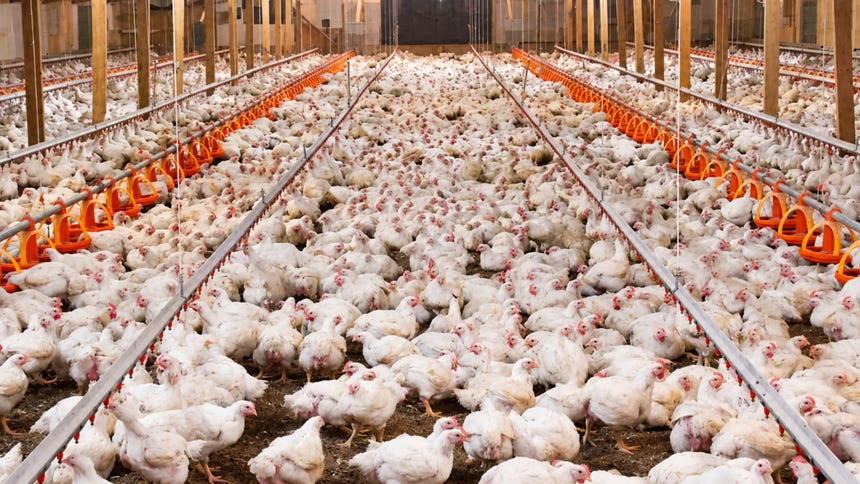
In July 2026, the situation became critical. SENASA identified localized outbreaks of HPAI (H5N1) in backyard and commercial poultry flocks within the districts of Cañete and Carabayllo, near Lima. The speed of the virus’s transmission posed an existential threat to the nation’s food supply chain.
The Response
Swift action was taken by the government, which declared a nationwide sanitary emergency for 90 days. This period was characterized by:
- Enhanced Surveillance: Intensive testing and monitoring of avian populations across all regions.
- Containment Protocols: Immediate culling of infected or exposed flocks to prevent the virus from spreading into the wider commercial population.
- Public Awareness: A coordinated effort by the state to educate farmers on biosecurity measures and to reassure the public that properly cooked poultry products are safe to consume.
The Path to Certification
Following the emergency period, Peru maintained an unwavering commitment to strict sanitary standards. By documenting the absence of new cases and demonstrating robust, ongoing monitoring, the country successfully satisfied the stringent requirements set by the WOAH, leading to the formal ratification of its "disease-free" status this September.
Supporting Data: The Poultry Industry as an Economic Engine
The importance of this status cannot be overstated, given the sheer scale of the poultry industry in Peru. According to data provided by Minister of Agrarian Development and Irrigation, Marco Vinelli, the sector represents nearly 25% of the country’s entire agricultural output.
Production and Consumption Metrics
The economic data is striking:
- Total Annual Production: Peru produces approximately 2 million metric tons of poultry meat annually.
- The Chicken Dominance: Of that total production, 1.8 million metric tons consist exclusively of chicken.
- The Consumer Trend: The average Peruvian consumes roughly 55 kilograms of chicken per year. This high rate of consumption positions Peru as one of the most prominent markets for poultry in Latin America.
Because chicken is the primary source of affordable animal protein for the vast majority of the population, any disruption to this supply chain—whether through disease or trade barriers—has immediate, direct consequences on food security and the cost of living for Peruvian households.
Official Responses and Strategic Vision
Minister Marco Vinelli has been vocal about the strategic importance of this health certification. In a series of statements, he underscored that the government’s priority is not just economic, but social.
"This is sumptuously important," Minister Vinelli stated during a press briefing. "It guarantees that the food consumed by the population is safe. There is no reason for fear. On the contrary, we can continue to increase the consumption of this protein, which is of vital importance to the health and development of our nation."
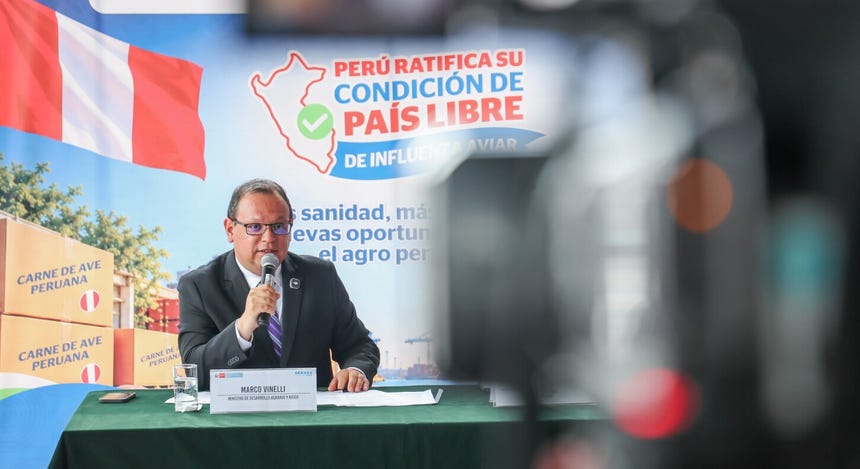
The Minister further explained that the maintenance of this status provides a predictable environment for farmers, particularly small-scale producers who operate with thinner profit margins. By avoiding the catastrophic losses associated with avian influenza outbreaks, these producers can plan for the future with greater certainty, investing in their infrastructure rather than mitigating potential crises.
Implications: A Future of Stability and Export Potential
The ratification of Peru’s status as HPAI-free has far-reaching implications that extend beyond the domestic market.
Domestic Stability
For the Peruvian consumer, this ensures that the "Pollo a la Brasa"—the nation’s iconic national dish—and other poultry-based staples remain both available and affordable. By removing the stigma of disease, the government has successfully prevented a potential decline in demand that often follows food-safety scares.
Trade and Investment
Internationally, this certification is a gateway for trade. Many countries maintain strict import bans on poultry products from nations with active HPAI cases. With this official status, Peru is now in a much stronger position to negotiate export agreements and integrate more deeply into the global poultry market. This could lead to an influx of foreign investment into the sector, potentially modernizing farming practices even further and increasing the overall competitiveness of Peruvian poultry.
Biosecurity as a Way of Life
Perhaps the most lasting legacy of this crisis is the permanent shift in the culture of Peruvian poultry farming. The emergency measures implemented in mid-2026 have resulted in a significantly more sophisticated and resilient biosecurity infrastructure. Farmers have been trained in modern containment techniques, and the government has refined its rapid-response protocols.
Moving forward, the challenge for the Ministry of Agriculture will be to maintain this heightened level of vigilance. The global threat of avian influenza remains, and migratory patterns of wild birds will continue to pose a risk. However, with the current framework in place, Peru has proven that it possesses the technical capacity, political will, and organizational efficiency to handle such challenges.
Conclusion
The recognition from the World Organisation for Animal Health is more than just a bureaucratic success; it is a vital achievement for the nation’s food security and economic health. By effectively navigating the 2026 health crisis and emerging on the other side with a "clean" status, Peru has fortified its position as a reliable producer of animal protein. As the country looks ahead, the stability of the poultry sector will remain a primary pillar of its agricultural policy, ensuring that the staple of the Peruvian diet remains safe, abundant, and accessible for years to come.