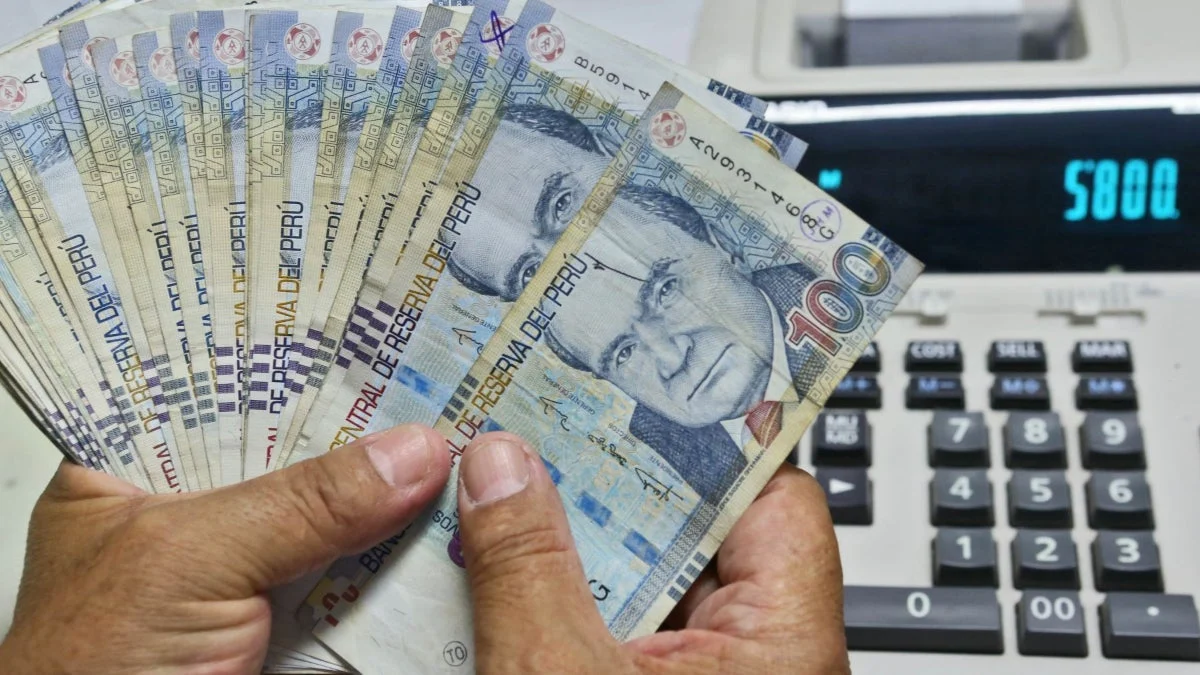
In a move aimed at addressing the erosion of purchasing power among the nation’s workforce, the Peruvian Executive Branch has officially sanctioned a significant adjustment to the Remuneración Mínima Vital (RMV). Through the issuance of Supreme Decree No. 015-2026-TR, published in an extraordinary edition of the official gazette El Peruano, the government has formalized a two-stage increase that will eventually elevate the minimum wage for private-sector employees from its current level of S/ 1,130 to S/ 1,300.
This policy shift, signed by President Keiko Fujimori and Minister of Labor and Employment Promotion Juan Sheput, marks a critical turning point in the administration’s economic agenda. By opting for a phased implementation, the government seeks to balance the immediate needs of households struggling with inflation against the necessity of maintaining the competitiveness of small and medium-sized enterprises (SMEs) that form the backbone of the Peruvian economy.
The Chronology of the Adjustment
The government’s plan is structured to provide a controlled transition for both employers and the labor market. The roadmap for the adjustment is divided into two distinct chronological phases:
Phase One: The October 2026 Milestone
The first stage of the adjustment involves an immediate increase of S/ 100. Effective October 1, 2026, this hike will bring the RMV to a new floor of S/ 1,230. This initial infusion of capital is designed to provide rapid relief to the lowest-earning formal workers, helping to mitigate the rising costs of basic commodities and essential services.
Phase Two: The 2027 Consolidation
The final stage of the policy involves an additional increase of S/ 70, which will complete the total adjustment of S/ 170. According to the legislative framework, this second installment will be activated during the first semester of 2027. The government has committed to issuing a subsequent Supreme Decree to formalize this final increment, ensuring that the total wage reaches the target of S/ 1,300.
A Consensus-Driven Approach: The Role of the CNTPE
A notable aspect of this wage adjustment is the process by which the figure of S/ 1,300 was reached. Unlike previous adjustments, which were often characterized by unilateral executive decisions, this policy is the result of intensive social dialogue.
On September 3, 2026, the National Council for Labor and Employment Promotion (CNTPE) held its 49th Extraordinary Session. This tripartite body—comprised of representatives from the government, labor unions, and the private sector—engaged in a rigorous debate regarding the technical feasibility and the social necessity of the wage increase. The resulting consensus reflects a delicate balance: labor unions sought a higher increase to account for years of stagnant real wages, while business associations advocated for a gradual approach to prevent mass layoffs or a rise in informality. The final agreement of S/ 1,300 is widely viewed as a "middle-ground" solution that respects both fiscal responsibility and social welfare.
Economic Implications and Macro-Analysis
The decision to increase the RMV does not exist in a vacuum; it carries profound implications for the broader Peruvian economy.
Impact on Purchasing Power
For the average Peruvian worker, an increase of S/ 170 represents a meaningful boost to disposable income. In an economy where a significant portion of the population spends a large percentage of their earnings on food and transportation, this change could stimulate domestic consumption. Retailers and service providers may see an uptick in demand as low-income households gain more flexibility in their monthly budgets.
The Challenge of Informality
Critics of the increase, however, point to the persistent challenge of informality in the Peruvian labor market. With roughly 70% of the workforce currently operating outside the formal economy, there is a recurring fear that raising the cost of hiring formal employees could inadvertently push more businesses into the shadows. Small business owners have expressed concern that the payroll tax burden, coupled with the new minimum wage, could squeeze profit margins to a point where they are forced to reduce their staff or avoid hiring new personnel.
Inflationary Pressures
The Central Reserve Bank of Peru (BCRP) has traditionally monitored minimum wage hikes with caution. There is a theoretical risk that if the cost of labor increases, businesses will pass these costs onto the consumer, potentially fueling inflation. However, the government’s choice to split the increase into two phases is likely an attempt to "smooth" the impact on prices, giving businesses time to adjust their operational costs without triggering a sudden inflationary shock.
Official Responses and Political Context
President Keiko Fujimori’s administration has framed the move as a fulfillment of the constitutional right to a "remuneration that ensures a dignified existence for the worker and their family." By prioritizing this increase, the executive branch is seeking to bolster its support among the working class while maintaining its reputation for fiscal discipline.
Minister Juan Sheput has been the vocal face of this policy, frequently emphasizing that the move is not merely a political gesture but a necessary evolution of the labor market in the age of rapid technological change. Sheput has recently highlighted that sectors such as law, accounting, and administration are facing displacement due to artificial intelligence, and as such, the government must ensure that the "human" element of the economy remains protected and fairly compensated.
"We are living in a time of transformation," Sheput noted in recent interviews. "By adjusting the minimum wage, we are not just raising a number; we are acknowledging that as the economy modernizes, the workers who power it must share in the growth."
Sectoral Analysis: Who Wins and Who Loses?
The impact of the S/ 1,300 wage floor will vary significantly across industries:
- Manufacturing and Agriculture: These sectors often rely heavily on low-skilled labor and operate on thin margins. They are likely to feel the most pressure from the increase, potentially accelerating their adoption of automated systems to remain competitive.
- Retail and Hospitality: These industries often employ workers at or near the minimum wage. While they may face higher payroll costs, they also stand to benefit from the increased consumer spending power that the wage hike generates.
- The Public Sector: While this decree specifically targets the private sector, there is often political pressure to harmonize public sector wages, which could have ripple effects on the national budget in the coming fiscal year.
Looking Toward the Future
As Peru prepares for the first phase of this adjustment on October 1, 2026, the eyes of economists and labor experts will be fixed on the national unemployment rate and the rate of formalization. The success of this policy will ultimately be measured by whether it improves the lives of the working population without destabilizing the broader macroeconomic environment.
The government’s decision to mandate the second increase in 2027 provides a "wait-and-see" buffer. If the economy experiences unexpected volatility, the executive branch retains the ability to monitor the situation before the second phase becomes law. This tactical approach suggests a level of maturity in policymaking that seeks to balance social demands with the cold realities of global economic fluctuations.
In conclusion, the hike to S/ 1,300 is a significant milestone in Peru’s labor history. It signals a shift toward a more proactive social policy, grounded in consensus and phased implementation. Whether this leads to a more prosperous and equitable society remains to be seen, but for millions of workers, the coming October represents the first step toward a higher standard of living in an increasingly complex economic landscape.