There exists a haunting, almost Kafkaesque legend about a nation trapped in a recurring nightmare: a land where natural disasters are not merely events, but seasonal, predictable visitors that leave a trail of devastation, despite the warnings echoing in the corridors of power long before the first drop of rain falls. It is a story that feels destined for the pages of a Jorge Luis Borges short story—a labyrinthine plot where the protagonists seem cursed to repeat their failures, oblivious to the clock. Yet, as one surveys the history of human literature, this specific absurdity—the refusal to act despite foreknowledge—seems too grotesque, too illogical even for the most imaginative fiction writers.
If we look past the metaphorical, we find the stark, uncomfortable reality of Piura, a region in northern Peru that has become the epicenter of this administrative paralysis. As we examine the current state of emergency and the decade-long inertia that has characterized its governance, we are forced to ask: how did we allow the "myth" of disaster to become the "reality" of daily life?
The Anatomy of a Man-Made Disaster: Main Facts
The core issue in Piura is not a lack of nature’s volatility, but a surplus of institutional incompetence. Following the devastating coastal El Niño (FEN) events of the past decade, the region has been under constant threat of overflowing rivers, flash floods, and landslides. The scientific consensus has been clear for years: without robust, preemptive infrastructure, the geography of Piura is inherently vulnerable to extreme weather.
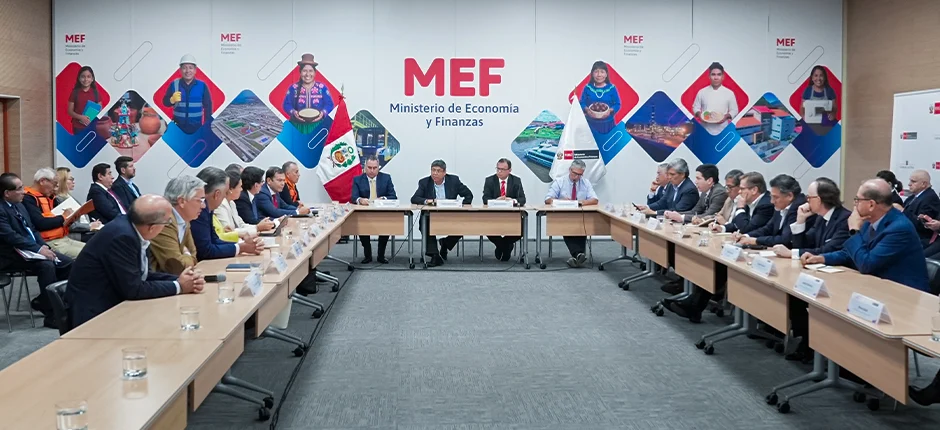
Despite this, a recent visit by a coalition of business guilds to the region revealed a chilling disconnect. During high-level meetings with congressional representatives, central government officials, academic leaders, and the regional Chamber of Commerce, one group was conspicuously absent: the regional government and municipal authorities. The decision to abstain from dialogue with those offering private-sector solutions is not merely a diplomatic faux pas; it is a profound dereliction of duty.
Chronology of Stagnation: A Decade Lost
To understand the current crisis, one must look at the timeline of bureaucratic lethargy. Since the last major FEN, there has been ample time to execute critical drainage works and riverbank reinforcement. Instead, the process has been defined by an agonizing, snail-paced approval cycle.
- 2016–2025: The period of maximum potential. During this decade, the region accumulated nearly S/4,000 million (approximately $1.07 billion USD) through canon, sur-canon, and royalties.
- The Planning Gap: The National Infrastructure Authority (ANIN) took nearly ten years to grant technical viability to essential urban drainage projects and river protection works.
- July 2026: The official "approval" date for projects that should have been prioritized years prior. By the time the ink dried on these permits, the window for massive construction had already narrowed to a sliver.
This chronology is not just a record of delays; it is a timeline of wasted opportunity, where the "technical viability" of a project became a synonym for the postponement of responsibility.
The Financial Paradox: Resources Without Results
Perhaps the most persistent argument used by apologists for the current administration is the supposed "lack of budget." This narrative, however, crumbles under the weight of empirical data.
Between 2016 and 2025, Piura did not suffer from a lack of funding. In addition to the S/4,000 million received in natural resource royalties, the region boasts a robust budget specifically earmarked for "Works for Taxes" (Obras por Impuestos). This mechanism, designed to allow private companies to finance public infrastructure in exchange for tax credits, has been woefully underutilized.
When a region has the capital but lacks the capacity to translate that capital into concrete, steel, and drainage systems, the problem is no longer economic—it is structural. The cost of this inactivity is twofold:
- The Human Toll: The most tragic loss is that of human life and the erosion of the physical integrity of the citizenry, which no amount of retroactive budgeting can ever restore.
- Economic Paralysis: Beyond the tragedy of life, there is the systematic destruction of the region’s productive apparatus. Every time a city floods, years of agricultural and commercial investment are washed away, stalling regional GDP growth and deepening the cycle of poverty.
Official Responses and the Culture of Silence
The absence of regional authorities at recent stakeholder meetings is symptomatic of a broader culture of silence and defensive posturing. When pressed on the lack of execution, the common refrain is to point fingers at the Central Government or blame the complexities of the public procurement system.
However, the reality is that the tools for action exist. The Obras por Impuestos mechanism is a proven vehicle for speed and efficiency. The refusal to engage with the private sector—which possesses the agile deployment capabilities necessary to meet the current timeline—suggests a political culture that values the retention of power over the delivery of results. When public officials view the private sector as an adversary rather than a partner in development, it is the population that pays the price.
Immediate Implications: The Three-Month Window
We are now entering a critical phase. With only three months remaining before the next potential weather cycle, the time for grand, long-term construction projects has passed. The strategy must now shift to urgent, tactical intervention.
The immediate priorities must include:
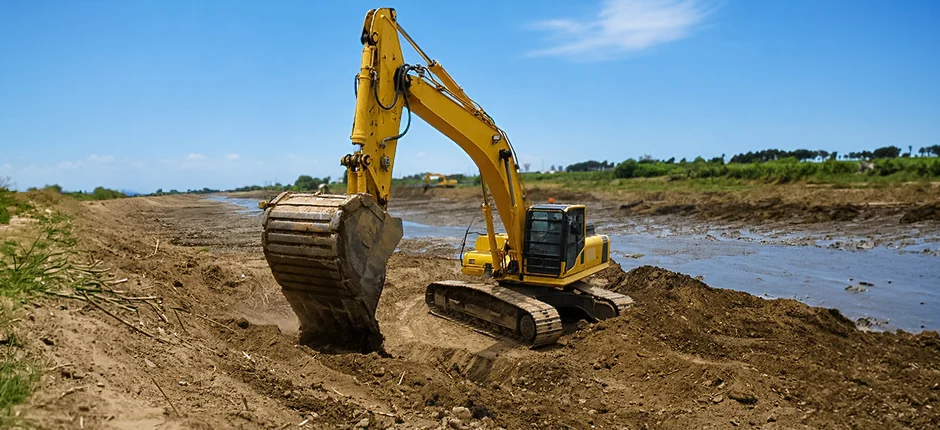
- Channel Maintenance: Aggressive desbrozing (clearing of debris) and deepening of riverbeds.
- Hydraulic Mitigation: Expanding the discharge channels for the Piura River to prevent the bottlenecks that historically cause urban flooding.
- Rapid Response Infrastructure: Clearing drainage systems that have been clogged by years of neglect.
These are not "optional" tasks. They are the minimum requirements to safeguard the health and safety of the region.
Moving Toward a New Reality: A Call to Action
The private sector stands ready. We have the technical expertise, the supply chains, and the intent to deploy resources rapidly. However, we are currently stalled by the lack of an Executive Decree that would broaden the use of the Obras por Impuestos mechanism to allow for these specific, time-sensitive interventions.
The Executive branch must act with the urgency the situation demands. By approving the necessary regulatory adjustments, they can unlock the dormant capital that the region has been sitting on for a decade.
We must ask ourselves: what kind of legacy do we want to leave behind? If we continue down this path, the "legend" of Piura’s cycle of disaster will cease to be a literary curiosity and will become a permanent mark of national failure. It is time to anchor this story firmly in the past. It is time to stop the cycle and move these failures from the annals of our lived reality back into the realm of fiction, where they belong.
The geography of Piura is not a curse; it is a challenge. It is a challenge that can be met with engineering, political will, and a shift from bureaucratic inertia to decisive action. The people of Piura have waited a decade for this change. They cannot afford to wait another season.