By Political Correspondent
September 28, 2026
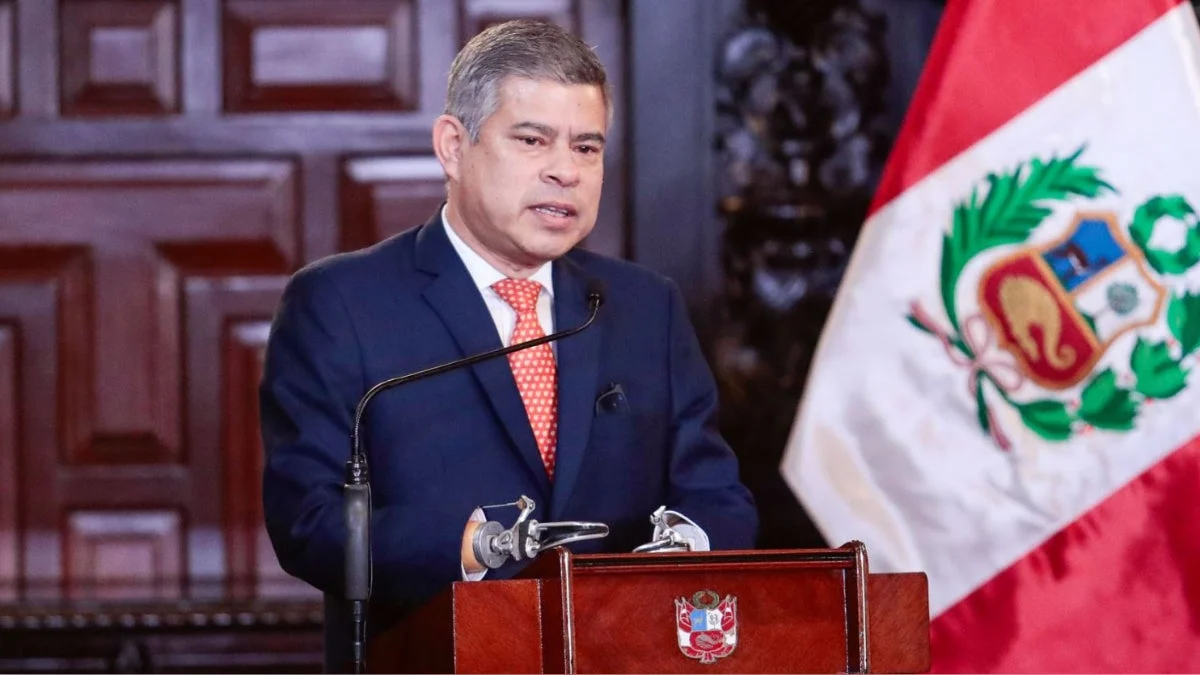
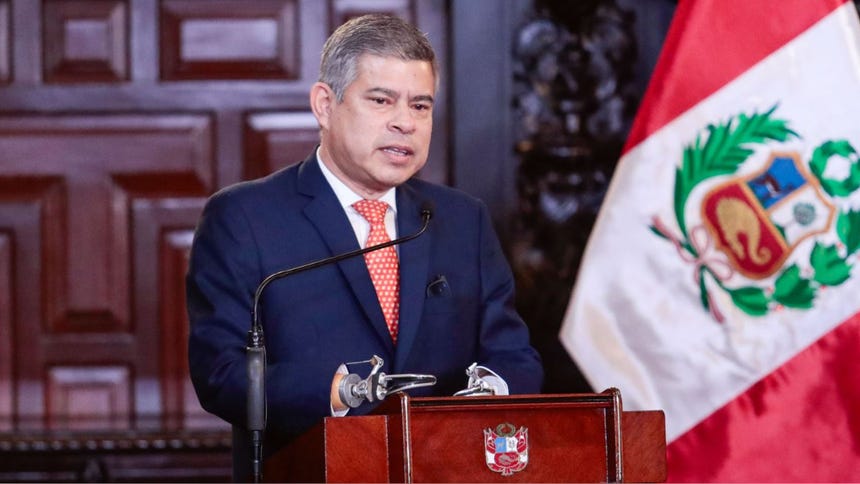
The Peruvian political landscape has reached a boiling point as the administration of President Keiko Fujimori faces a critical legislative challenge. In a high-stakes press conference held at the Government Palace in Lima, Prime Minister Luis Galarreta Velarde issued a defiant call to arms to the legislative branch, urging lawmakers to support the government’s request for special powers to legislate by decree across a broad spectrum of national policy areas.
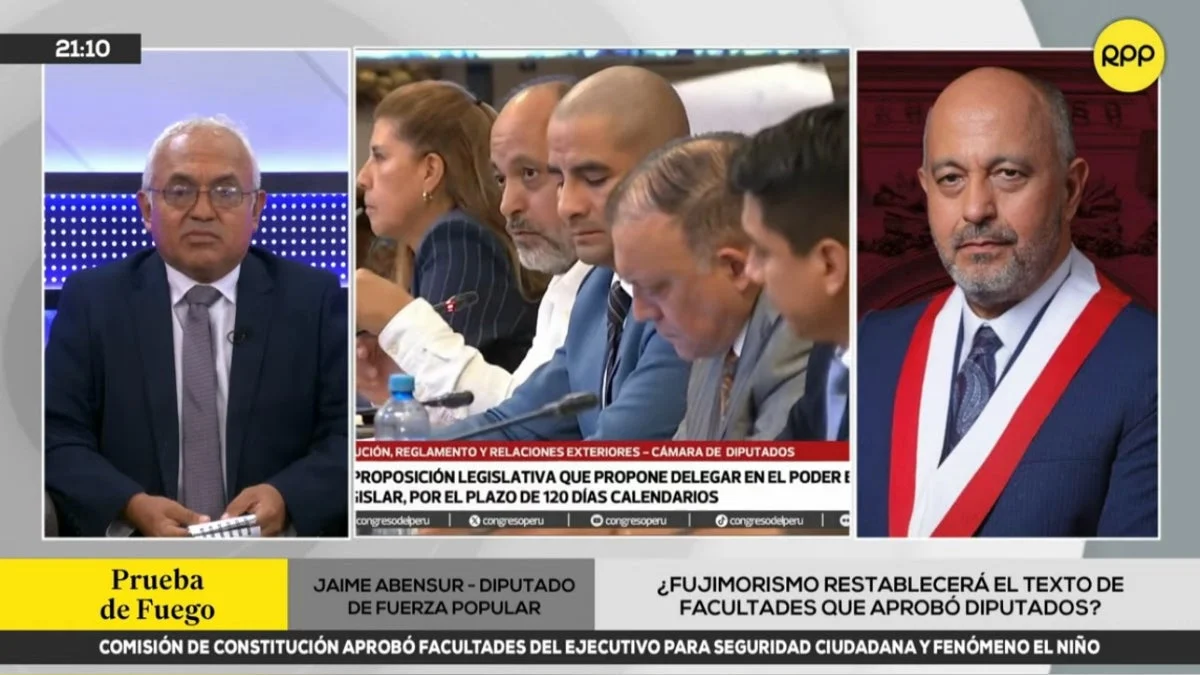
The tension follows a controversial move by the Congressional Constitution, Regulation, and Foreign Affairs Committee to recommend the rejection of the executive’s legislative package. This development has sparked a flurry of accusations, with the administration characterizing the opposition’s stance not merely as a political disagreement, but as a direct affront to the interests of the Peruvian populace.
The Core Conflict: Why the Government Needs Powers
The central issue at play is a project of law presented by the Fujimori administration on August 28, 2026. This proposal seeks to delegate legislative authority to the Executive Branch in several critical areas, including public security, the strengthening of micro and small enterprises (MYPEs), employment promotion, productive development, tax policy, and administrative simplification.
According to Prime Minister Galarreta, these powers are essential to address the urgent structural needs of the country. "Beyond the extremes and the radicals who are already presenting motions or dictums denying these faculties, I believe there are parliamentary benches that will rise to the occasion," Galarreta stated. "This is not about saying ‘no’ to Keiko Fujimori; I think they should have moved past the election. This is about saying ‘no’ to the Peruvian people."
The Strategic Agenda
The Executive argues that the current gridlock in Congress is hindering the implementation of a national recovery plan. By requesting these powers, the government aims to bypass the often-protracted committee debates that they claim are stalling necessary economic reforms. The areas highlighted include:
- Security: Measures to tackle rising rates of extortion and contract killings.
- Economic Reform: A simplified tax code designed to boost small business growth.
- Administrative Efficiency: A reduction in bureaucratic hurdles to stimulate public and private investment.
A Chronology of the 60-Day Mandate
To bolster their argument, the administration has been keen to highlight the achievements of its first two months in office. Since President Fujimori assumed leadership, the Executive has been operating under the narrative of a "government of action."
- Late July 2026: President Keiko Fujimori is inaugurated, promising a focus on security and economic stabilization.
- August 28, 2026: The Executive branch formally submits the bill requesting special legislative powers to Congress.
- Mid-September 2026: The Congressional Constitution Committee begins hearings, with opposition members expressing skepticism regarding the scope of the powers requested.
- September 28, 2026: The Constitution Committee releases a draft report proposing the total rejection of the request.
- September 28, 2026 (Afternoon): Prime Minister Galarreta holds an emergency press conference, joined by the Minister of Labor, Juan Sheput, and the Minister of Economy and Finance, Elmer Cuba, to denounce the Committee’s decision.
The Prime Minister emphasized that in just 60 days, the administration has successfully "unlocked" stalled projects in sanitation, transportation, and agriculture. Furthermore, he noted that the government has intensified police presence on the streets, specifically targeting the surge in violent crime that has plagued the nation.
Security and Institutional Integrity: The "Maximum Security" Strategy
One of the most striking points made by the Prime Minister involved the ongoing efforts to reform the prison system. Galarreta claimed that the current government is not merely performing symbolic gestures but conducting thorough, meaningful inspections of the nation’s most dangerous correctional facilities.
"We have entered the most dangerous prisons in Peru, but conducting real requisitions—not fake ones," Galarreta asserted. He credited these successes to the strategic international alliances cultivated by President Fujimori, which he claims have provided the necessary intelligence and resources to secure these volatile environments. This aggressive posture on security is a cornerstone of the administration’s pitch for why they need the requested legislative powers—they argue that the current legal framework is insufficient to keep pace with the evolving threats of organized crime.
Economic Policy: The Minimum Wage Adjustment
Amidst the political sparring, the government sought to pivot to its social agenda, confirming a significant policy shift. During the press conference, the administration announced that the Minimum Vital Remuneration (RMV) will increase from S/1,130 to S/1,230, effective October 1, 2026.
This move is viewed as a strategic attempt to gain public favor and demonstrate that the administration is capable of delivering tangible benefits to the working class, despite the political roadblocks. Minister of Economy and Finance Elmer Cuba noted that the adjustment is calibrated to balance the rising cost of living with the need to remain competitive in the regional labor market.
The Political Stakes: A Divided Congress
The opposition, however, remains unconvinced. Critics argue that the request for legislative powers is an attempt to bypass democratic checks and balances. Some lawmakers have expressed concern that the broad nature of the requested powers could lead to constitutional overreach.
The Prime Minister’s call for the members of his own party to "fight the political battle" suggests that the government is prepared to engage in a prolonged confrontation with the legislative branch. By framing the debate as "the people versus the radicals," the administration is clearly attempting to mobilize public opinion to put pressure on the undecided legislative benches.
Key Implications
- Constitutional Stability: If the government fails to secure these powers, it may be forced to rely on individual legislative initiatives, which could take months to pass, potentially stalling the economic recovery.
- Public Perception: The success of the wage increase and the security reforms will likely determine the government’s approval ratings in the coming months. If the public perceives the Congress as an obstacle to progress, the Executive could gain significant leverage.
- Future Relations: This conflict is setting a precedent for the relationship between the Executive and Legislative branches. The outcome will signal whether the current government will adopt a confrontational style of governance or be forced to seek consensus through negotiation.
Conclusion: The Road Ahead
As the deadline for the legislative vote approaches, the political climate in Lima remains tense. The Fujimori administration has made it clear that it considers these legislative powers essential for the survival and success of its reform agenda. Conversely, the congressional committees, wary of the consolidation of power, are standing their ground.
For the citizens of Peru, the outcome of this dispute will have direct consequences on everything from the cost of living to the safety of their neighborhoods. As Prime Minister Galarreta concluded during the press conference, the government is looking for those in Congress who are willing to "be up to the task." Whether the legislative branch will answer that call remains to be seen in the coming days of intense political deliberation.