In a landmark development for Peru’s infrastructure sector, the Private Investment Promotion Agency (PROINVERSIÓN), under the guidance of the Ministry of Economy and Finance (MEF), has reached a decisive agreement with the mining giant Shougang Hierro Perú S.A.A. This agreement effectively removes the primary legal bottleneck that had stalled the development of the new San Juan de Marcona Port Terminal, a project of vital importance for the nation’s logistical connectivity and economic growth.
The signing of this memorandum of understanding signifies the resolution of a complex land-use dispute, allowing for the transfer of the project site to the concessionaire, San Juan Port S.A. By securing this commitment, the Peruvian government has paved the way for a $404.8 million investment to finally transition from the planning phase to active construction and engineering operations.
The Core of the Agreement: Resolving Land Tenure
The primary obstacle hindering the San Juan de Marcona project involved the overlap between the designated port area and existing mining concessions held by Shougang Hierro Perú. For months, this legal impasse resulted in the suspension of the contractual timeline, leaving the multi-million dollar investment in limbo.
Under the terms of the newly signed agreement, Shougang Hierro Perú has committed—in a binding, legal capacity—to waive any claims or rights stemming from its mining concessions that would interfere with the development of the port. This act of corporate cooperation ensures that the Ministry of Transport and Communications (MTC) retains full, undisputed title to the land.
With this hurdle cleared, the Ministry is now positioned to lift the suspension of the concession contract. This bureaucratic milestone will trigger the immediate handover of the site to San Juan Port S.A., enabling the initiation of mobilization, engineering surveys, and early-stage construction works.
A Detailed Chronology of the Project
The path to this agreement has been marked by rigorous negotiations and a clear focus on the public interest. The timeline of key events highlights the commitment of the current administration to push forward with this essential infrastructure:
- March 31, 2026: PROINVERSIÓN and San Juan Port S.A. formally sign the initial concession contract, setting the stage for the development of the terminal.
- April 16, 2026: The project faces a significant setback when the contractual timeline is suspended due to unresolved land-use conflicts with Shougang Hierro Perú, preventing the transfer of the site.
- May–August 2026: A period of intense mediation begins. PROINVERSIÓN, alongside the MTC and stakeholders, works to align the interests of the mining firm with the long-term logistical needs of the state.
- September 2026: The definitive agreement is signed. Shougang Hierro Perú commits to relinquishing its overlapping rights, thereby "unlocking" the project for the state and the concessionaire.
Official Responses and Strategic Vision
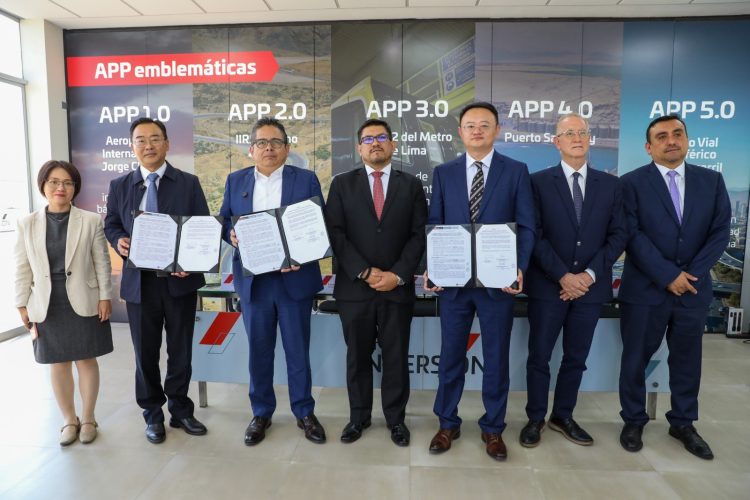
The signing ceremony was attended by high-ranking government officials and corporate executives, underscoring the national significance of the agreement.
Luis Del Carpio, Executive Director of PROINVERSIÓN, emphasized the transformative nature of the project. “This agreement opens the path for a $404.8 million investment to be translated into tangible infrastructure, job creation, and new economic horizons for families in the southern region,” he stated. Del Carpio further noted that the project—declared a matter of "necessity and public utility" under Law No. 28521—is now finally moving toward realization, reflecting the state’s proactive management of the national port system.
The Minister of Transport and Communications, José Angello Tangherlini, echoed this sentiment, framing the agreement as a critical win for Peruvian logistics. "This is a decisive step for the execution of the new terminal, which will serve as a backbone for the southern corridor’s development," Tangherlini noted.
The event also saw the participation of Abel Alvarado, President of the Board of the National Port Authority (APN), and Zhang Liang, President of the Board of Shougang Hierro Perú S.A.A., both of whom signaled their support for a collaborative approach to regional development.
Supporting Data: Infrastructure and Scope
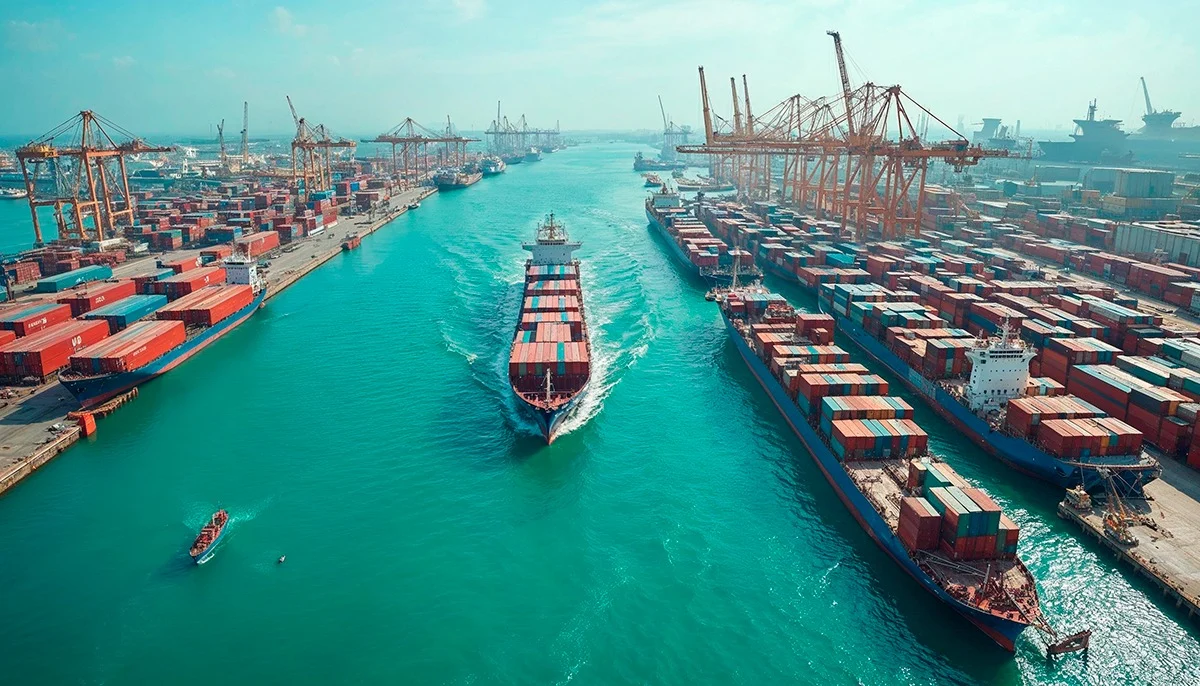
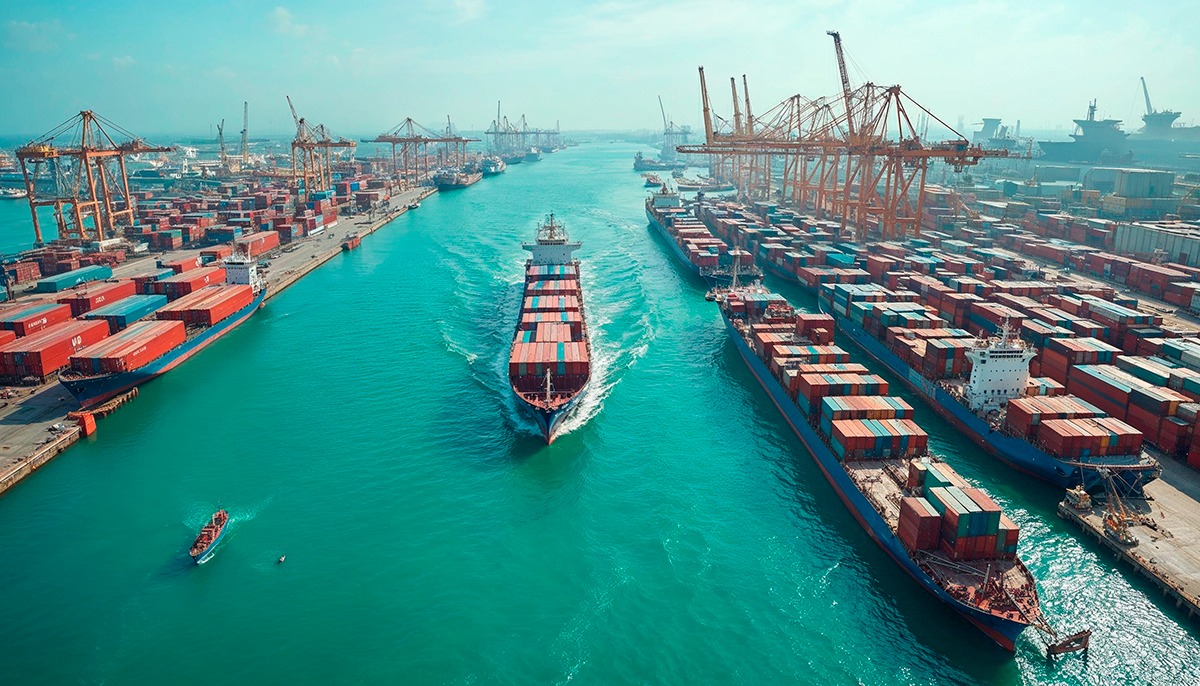
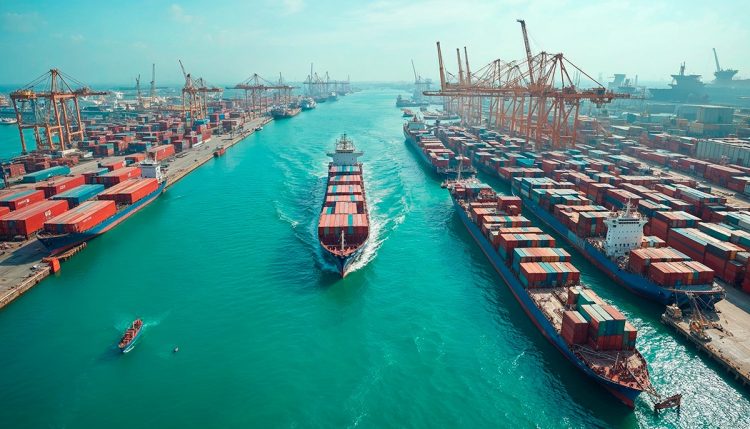
The San Juan de Marcona Port Terminal is not merely a regional improvement; it is a large-scale project designed to overhaul the export capacity of Southern Peru. The technical specifications of the terminal are ambitious and tailored to meet modern global maritime standards:
- Infrastructure Design: The facility will feature two primary berths and three mooring docks, equipped with cutting-edge technology to handle diverse cargo types.
- Operational Capacity: The terminal is designed to manage bulk cargo, general cargo, and standardized containers, facilitating the efficient export of raw materials and the import of essential goods.
- Regional Impact: The terminal is projected to serve a vast catchment area covering 29 provinces and 280 districts across the regions of Apurímac, Arequipa, Ayacucho, Ica, and Cusco.
- Economic Multiplier: Beyond the direct investment of $404.8 million, the port will serve as a crucial logistics node for several major mining projects in the southern highlands, significantly reducing transportation costs and increasing the global competitiveness of Peruvian minerals.
Implications for the Southern Region
The impact of this project extends beyond its physical footprint. For the inhabitants of Marcona and the wider Ica region, the project represents a significant shift in local economic prospects.
Social Responsibility and Community Development
A key highlight of the concession contract is the inclusion of a "Social Fund." The concessionaire, San Juan Port S.A., is mandated to contribute 3% of its gross revenue to social initiatives. This fund is explicitly earmarked for projects within the district of Marcona and the province of Nazca. By prioritizing social development, the project aims to ensure that the economic benefits of the port are shared with the local population, mitigating the historical disconnect between industrial activity and community well-being.
Logistical Modernization
Peru’s current logistical landscape in the south is heavily reliant on existing, often congested, infrastructure. The San Juan de Marcona terminal will provide a necessary relief valve. By offering a direct route to the sea, the port will facilitate the "Southern Mining Corridor," a logistical artery that connects some of the world’s most productive copper mines to international markets. This modernization is expected to:
- Decrease transit times for export-bound minerals.
- Reduce the environmental impact of heavy trucking through urban centers.
- Attract secondary industries to the region, diversifying the local economy beyond traditional mining.
Conclusion: A New Era for Peruvian Infrastructure
The resolution of the dispute between PROINVERSIÓN and Shougang Hierro Perú serves as a case study in how public-private partnerships can successfully overcome systemic obstacles. By prioritizing a collaborative framework, the Peruvian government has managed to preserve its regulatory authority while respecting the rights of private operators, ultimately delivering a win for the national economy.
As construction preparations move forward, the focus will now shift to the technical execution of the project. For the people of the south, the San Juan de Marcona Port Terminal stands as a symbol of progress—a promise that the region is finally integrating into the global economy with the infrastructure necessary to compete, grow, and thrive. The success of this initiative will likely serve as a blueprint for future public-private infrastructure projects across the country, proving that even the most complex bottlenecks can be resolved with vision, persistence, and a commitment to the common good.