By International Correspondent Desk
In a significant policy shift aimed at shoring up national resilience, the administration of President Keiko Fujimori has announced a comprehensive supplementary credit proposal. The initiative, which is currently undergoing rigorous evaluation by the Council of Ministers, seeks to address the dual challenges of the looming "El Niño" climate phenomenon and the persistent economic vulnerabilities affecting the nation’s most impoverished citizens.
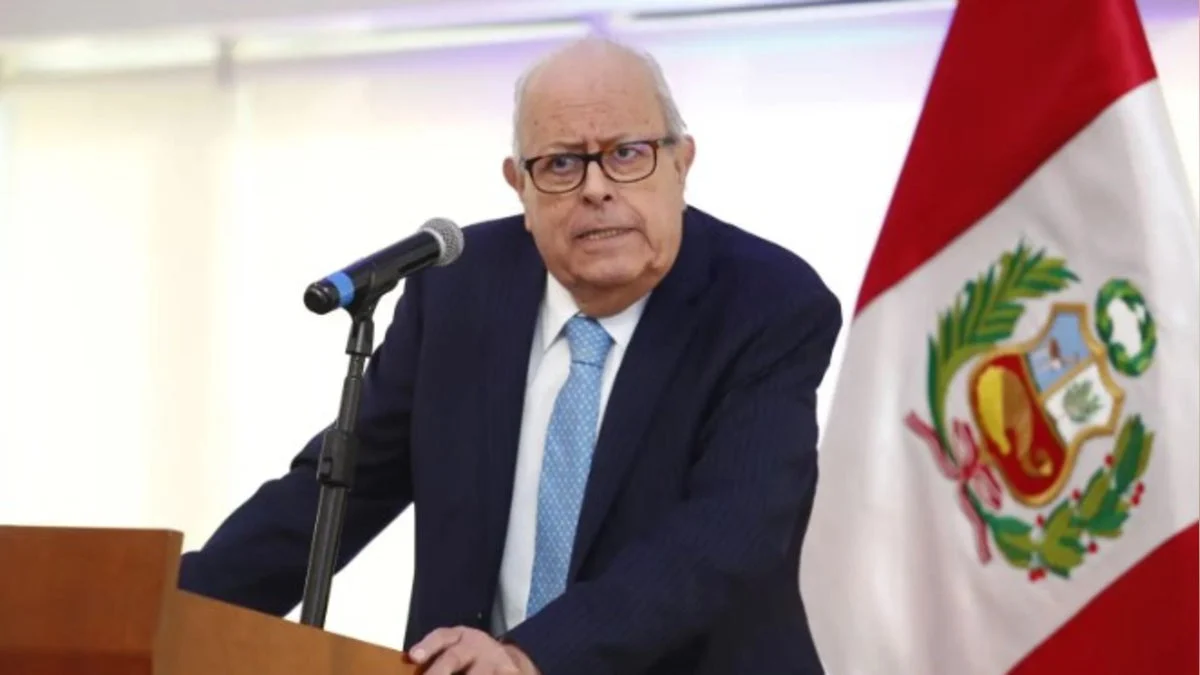
Luis Galarreta, President of the Council of Ministers, confirmed that the government is preparing to submit the legislative package to Congress for urgent debate and approval. The proposal represents a strategic effort to balance emergency disaster preparedness with targeted social welfare expansion.
Main Facts: A Dual Strategy for Crisis Mitigation
The proposed supplementary credit is designed as a multi-sectoral intervention. At its core, the policy addresses two distinct but interconnected crises: the projected impact of an extraordinary "El Niño" event and the socio-economic strain faced by households living in extreme poverty.
The cornerstone of the social support package is the doubling of the "Pensión 65" subsidy. Currently, more than 700,000 senior citizens living in extreme poverty receive a bimonthly stipend of S/350. Under the new proposal, this amount would be increased to S/700. This measure is intended to provide a critical safety net for the elderly population, who remain the most susceptible to inflationary pressures and food insecurity.
Beyond direct cash transfers, the proposal includes:
- Security Infrastructure: A significant allocation for the National Police to bolster their operational capacity against organized crime.
- Labor Market Support: Expansion of the "Llamkasun Perú" program, which provides temporary employment to vulnerable workers.
- Educational Support: The procurement and distribution of comprehensive school kits—consisting of uniforms, sneakers, stationery, and backpacks—to low-income families to ensure students remain in school despite economic hardships.
Chronology: The Path to Executive Action
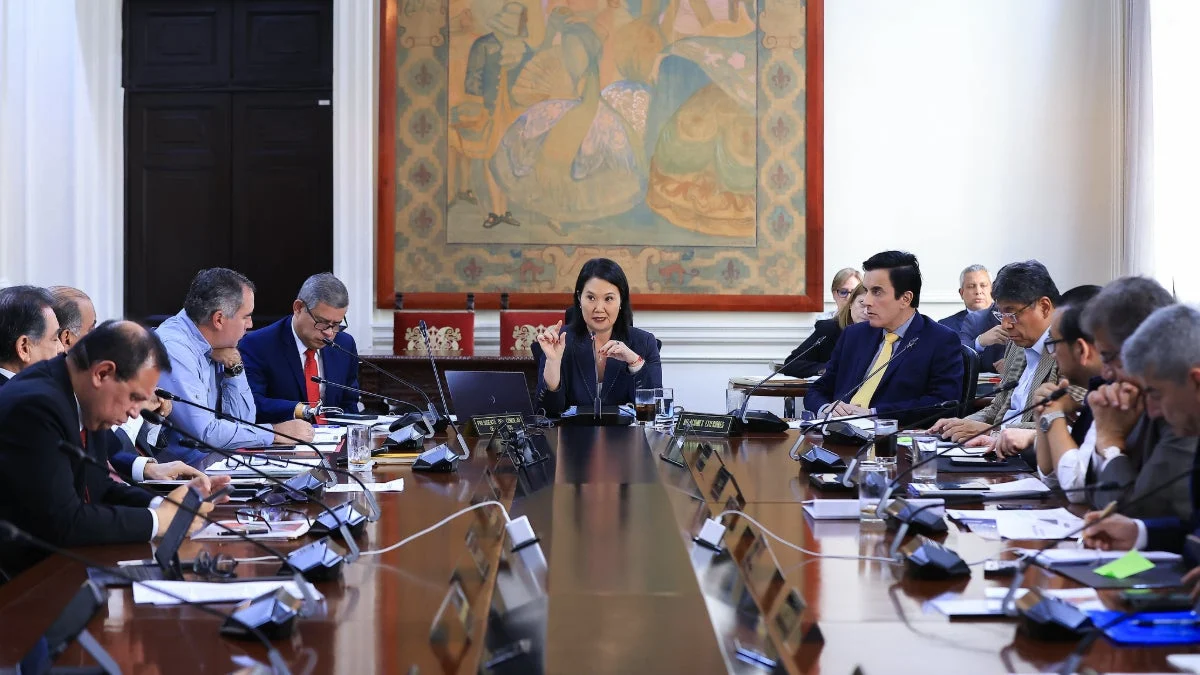
The development of this legislative proposal follows a period of intense internal deliberation within the Executive branch.
- Early Planning Phase: Following the inauguration of the administration, cabinet ministers were tasked with identifying key operational gaps within their respective sectors.
- Economic Synthesis: The Ministry of Economy and Finance (MEF) conducted a comprehensive review of these departmental requests, streamlining them into a coherent fiscal package.
- The Conagerd Summit: The catalyst for the acceleration of these plans was the first extraordinary session of the National Council for Disaster Risk Management (CONAGERD). During this meeting, climate experts and regional authorities presented data indicating that rainfall in the northern and southern regions of the country is nearing or exceeding historical records.
- Current Status: The Council of Ministers is currently finalizing the technical details of the credit. Once the internal review concludes, the proposal will be formally transmitted to the legislative body.
Supporting Data: Macroeconomic Foundations
A primary concern for any government proposing a large supplementary credit is the impact on national debt and inflation. However, Prime Minister Galarreta emphasized that the decision is grounded in a stable macroeconomic framework.
"Our level of indebtedness remains low compared to regional peers, our international interest rates are favorable, and the macroeconomic fundamentals of the country are robust," Galarreta stated during a recent press briefing.
Economists have noted that the country’s current fiscal space allows for moderate deficit spending, particularly when the objectives are to prevent long-term humanitarian damage caused by natural disasters. By front-loading expenditure to prepare for "El Niño," the government hopes to avoid the far higher costs associated with post-disaster reconstruction and emergency humanitarian aid.
The "El Niño" projections are particularly alarming. Meteorological data suggests that the country is preparing for an event of "extraordinary magnitude." The government’s decision to integrate disaster risk management with social aid is a tactical move to ensure that the most vulnerable populations are not left behind as the climate crisis intensifies.
Official Responses and Policy Justification
The government’s rhetoric has been one of proactive governance. Prime Minister Galarreta highlighted that the Cabinet’s approach has been highly consultative, with each ministry providing specific assessments of what is required to accelerate urgent social actions.
"Each ministry presented proposals regarding the actions that they must execute, and the Minister of Economy has been evaluating and gathering exactly what is needed to accelerate the initiatives we have put forward," Galarreta explained.
Furthermore, the government is moving beyond financial aid into preventative logistics. Among the measures being evaluated is the early activation of emergency shelters for residents living in high-risk zones near riverbanks. This reflects a shift from reactive disaster response—which has historically characterized the nation’s crisis management—to a policy of early warning and mitigation.
Implications: The Road Ahead
The proposed supplementary credit is more than just a fiscal policy; it is a litmus test for the relationship between the Executive and the Legislative branches.
Economic Implications
If approved, the injection of capital into programs like "Llamkasun Perú" and the doubling of "Pensión 65" will likely have a stimulatory effect on local consumption. By putting money into the hands of the lowest-income deciles, the government is effectively targeting the segments of the population with the highest marginal propensity to consume. This could provide a much-needed boost to local economies in rural and underdeveloped provinces.
Political Implications
The decision to prioritize school kits and senior citizen subsidies is politically savvy, as it directly addresses the day-to-day concerns of the average citizen. However, the opposition in Congress may scrutinize the allocation of funds for the National Police, questioning whether these resources will be managed with sufficient transparency. The debate in the legislature is expected to be heated, with critics likely to demand rigorous oversight of how the supplementary funds are deployed.
Social and Environmental Implications
The proactive stance on "El Niño" is a critical turning point. By planning to establish shelters in advance, the government is signaling a departure from the "emergency-first" mindset. The success of this strategy will depend heavily on the accuracy of the climate models and the efficiency of the regional governments tasked with executing the construction and maintenance of these shelters.
Long-Term Sustainability
While the Prime Minister insists that the macroeconomic conditions are solid, observers caution that relying on credit to fund social programs is a temporary solution. The government will eventually need to outline how these expanded subsidies will be funded in the long term, especially if "El Niño" persists or if global commodity prices fluctuate, impacting the nation’s export-driven revenue.
Conclusion
The Fujimori administration is navigating a complex landscape of environmental volatility and social demand. By linking climate preparedness with poverty reduction, the government is attempting to build a comprehensive framework for national stability. As the proposal moves from the Council of Ministers to the halls of Congress, the nation will be watching closely to see whether the promise of relief reaches those who need it most, and whether the proposed fiscal measures can indeed withstand the pressures of an uncertain economic and environmental future.
The effectiveness of this plan will ultimately be measured not by the rhetoric of its architects, but by the resilience of the communities that stand to be most affected by the impending climate shift. The coming months will be a defining period for the administration’s legacy, testing its capacity to deliver on its promises while maintaining fiscal discipline in an increasingly fragile world.