For the first time in the history of Peru’s regional and municipal electoral processes, the mechanism of a formal "ballot recount" will be implemented during the 2026 Regional and Municipal Elections (ERM 2026). As more than 26 million citizens prepare to head to the polls on October 4, 2026, to elect over 13,000 regional and local authorities, the introduction of this procedure marks a significant shift in how electoral disputes are resolved, prioritizing transparency and the absolute sanctity of the popular vote.
The Core Mechanism: What is a Ballot Recount?
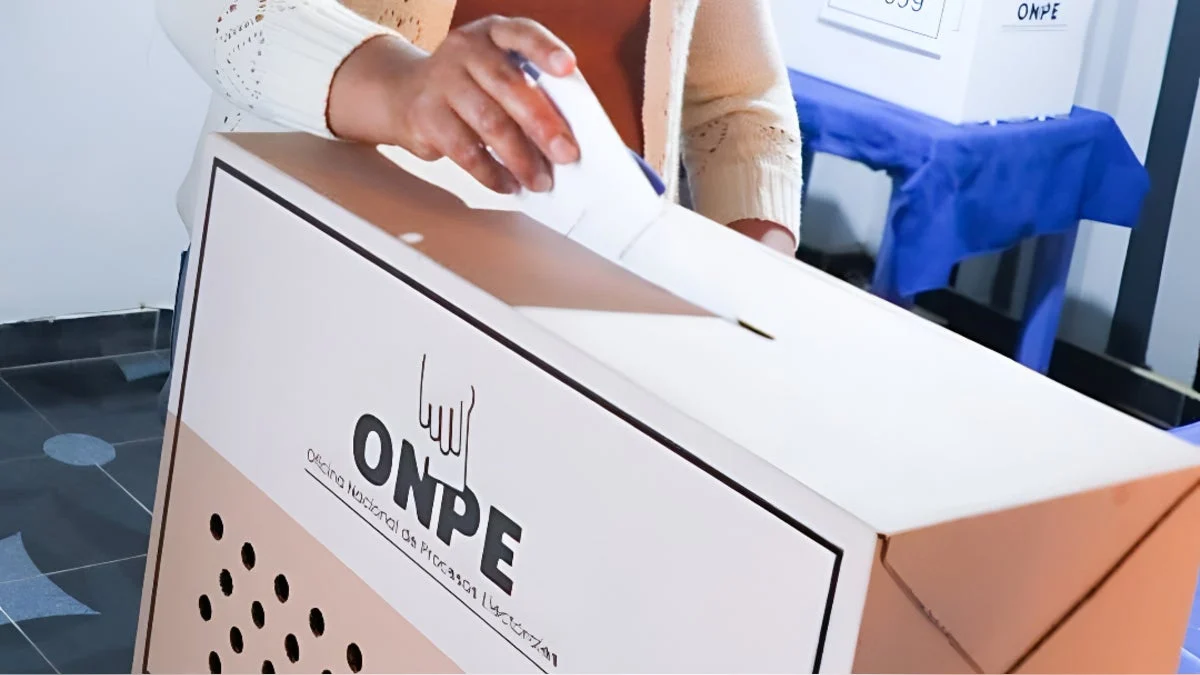
The ballot recount is a legal instrument designed to safeguard the integrity of an election by physically re-examining individual ballots within a specific polling station. Unlike the standard procedure of merely checking the totals recorded on an official summary sheet (the acta electoral), the recount procedure involves opening the sealed packages containing the physical ballots.
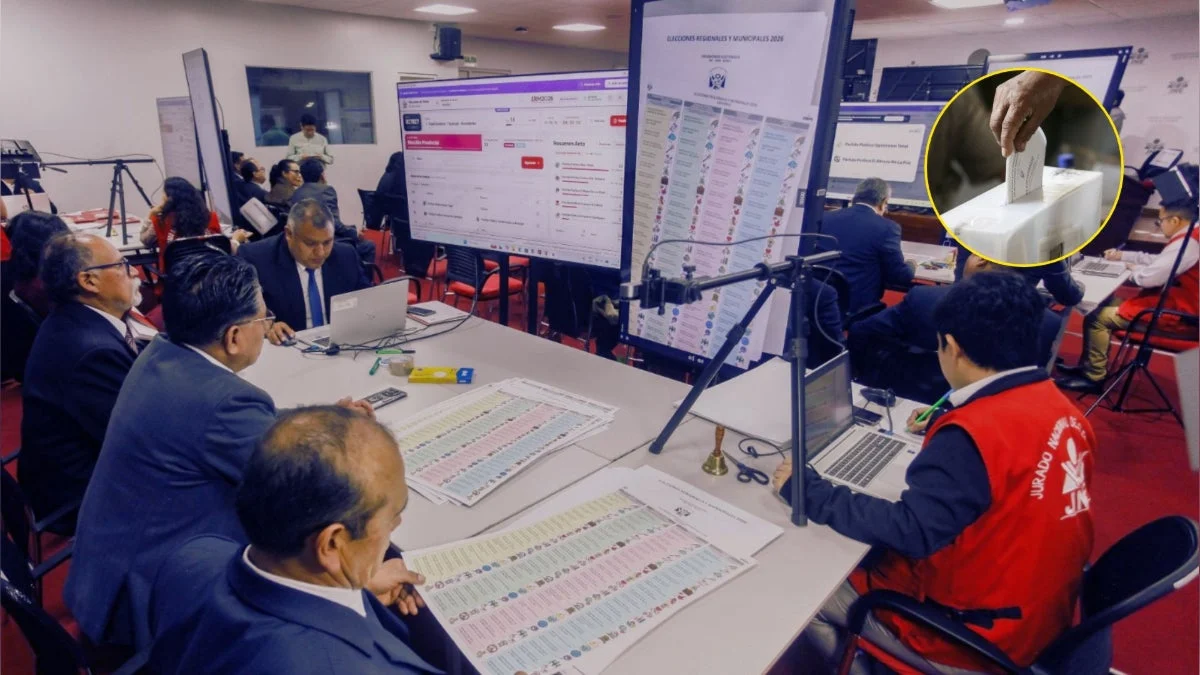
Under this protocol, every single vote is counted one by one in a public hearing. This process is conducted under the strict supervision of the Public Ministry (the Prosecutor’s Office) and in the presence of representatives (personeros) from the various political organizations involved.
Silvia Guevara, a noted expert in electoral law, explains the significance of this mechanism: "The ballot recount serves as a definitive safeguard for the citizen’s voice. By moving beyond the paperwork and returning to the physical ballots in a public, transparent forum, the system provides an irrefutable layer of verification that protects the legitimacy of the outcome."
When is a Recount Triggered?
The recount is not a routine procedure; it is a corrective measure activated when an electoral record (acta) is found to be "observed." At the close of the polls, members of the polling station board (miembros de mesa) record the votes for each candidate, as well as null and blank votes. If the resulting document contains mathematical inconsistencies—such as the sum of votes exceeding the total number of voters who cast ballots—the document is not immediately added to the official tally by the National Office of Electoral Processes (ONPE).
Instead, the contested record is forwarded to the corresponding Special Electoral Jury (JEE). While most observations are resolved by comparing the copies of the records held by the various parties, if the error remains unclear or contested, the JEE has the legal authority to request that the ONPE retrieve the custody-sealed ballot packages and order a formal recount.
Chronology: From Election Day to Official Proclamation
The timeline for the 2026 elections is tight, with the electoral authorities working under a compressed schedule to ensure that newly elected officials can be sworn in on January 1, 2027.
- October 4, 2026: Election Day. Over 26 million citizens cast their ballots across the country.
- October 5–7, 2026: Processing phase. ONPE receives ballot boxes and records. Observed records are identified and sent to the respective Special Electoral Juries (JEE).
- October 12–15, 2026: Commencement of public hearings for ballot recounts. Based on projections by the National Jury of Elections (JNE), this window marks the start of the official recount process for records that could not be resolved through simple verification.
- Post-Recount Period: Following the resolution of observations, official results are finalized, allowing for the proclamation of winners.
- Second Round (If applicable): If no regional formula secures more than 30% of the valid votes, a runoff between the two top candidates will be held within 30 days of the proclamation.
Supporting Data: Capacity Building and Logistical Innovations
The transition to this system has required massive logistical preparation. Although the recount mechanism was technically incorporated into electoral law in 2025 and utilized during the General Elections of that year, the 2026 ERM represents the first time it will be tested in the complex environment of subnational elections, where thousands of local districts are involved simultaneously.
The Human Factor: Training and Methodology
Roberto Burneo, President of the JNE, has emphasized the importance of nationwide preparation. "We have conducted rigorous training sessions in Lima for all members of the Special Electoral Juries to ensure they are fully conversant with this methodology," Burneo stated in an interview. "Our goal is to ensure that the transition to this more transparent system does not hinder the timely delivery of results."
To accelerate the process, the JNE has introduced procedural efficiencies. Jorge Valdivia, a spokesperson for the JNE, clarified that a new "expedited declaration" method has been implemented: "The president of the electoral jury will declare the orientation of each vote. If the other two members of the jury are in agreement, there is no need for verbal confirmation, which significantly streamlines the entry of data into the system."
Contingency Planning and Environmental Risks
Given the potential for climatic disruptions, such as the El Niño phenomenon, the JNE has established stringent guidelines for the transport of electoral materials. If security or environmental conditions necessitate the movement of ballot boxes, a dedicated JNE supervisor must accompany the shipment. Every step—from the initial packing at the polling station to the arrival at the processing center—is subject to rigorous fiscal oversight to prevent tampering.
Official Responses and Strategic Implications
The implementation of the ballot recount has been welcomed by legal scholars as a necessary evolution of Peruvian democracy, though it presents challenges for the electoral timeline.
Managing the Timeline
The primary concern for election officials is the potential for delays. In previous regional elections, between 9 and 15 regions have historically required a second round. With the addition of potential recount hearings, the JNE must maintain strict adherence to the electoral calendar to ensure that candidates are declared in time for the January 1st inauguration.
Silvia Guevara notes that the JNE is prepared to adjust internal procedures to meet these deadlines. "The Jury may establish specific cut-off dates for recounts to ensure they remain within the approved schedule," she said. "The law provides the framework, but the JNE retains the administrative flexibility to ensure that the electoral process is not stalled indefinitely."
The "El Poder en tus Manos" Perspective
The JNE’s efforts are being closely monitored by the public and by media initiatives like "El Poder en tus Manos" (Power in Your Hands). The consensus among experts is that while the ballot recount adds a layer of complexity, the trade-off is an increase in voter confidence. By allowing the physical ballots to serve as the ultimate arbiter of truth, the system effectively neutralizes many of the common accusations of electoral fraud or administrative negligence that have historically plagued close local contests.
Implications for the Future of Peruvian Democracy
The 2026 Regional and Municipal Elections serve as a litmus test for the durability and transparency of the Peruvian electoral system. By moving toward a model where the physical ballot is the supreme authority, the JNE is signaling a departure from purely bureaucratic counting toward a more robust, auditable democratic process.
Strengthening Institutional Trust
For the 26 million voters, the introduction of the recount mechanism provides a vital assurance: if there is a discrepancy, the system now has the tools to correct it openly and publicly. This shift is expected to reduce social tension in regions where the margins between candidates are razor-thin. When citizens know that the system is equipped to verify the count down to the last ballot, the likelihood of public unrest stemming from perceived electoral errors is significantly diminished.
A New Standard for Subnational Governance
The success of this rollout will likely define future electoral reforms. If the recount process proves efficient and avoids significant delays in the proclamation of winners, it will likely become the standard for all future elections in Peru.
As October 4 approaches, the focus remains on the logistical readiness of the ONPE and the legal precision of the JNE. The authorities are calling for calmness and patience from the electorate, emphasizing that the time taken to ensure a accurate recount is a small price to pay for the long-term stability of local governance. As the nation prepares for these subnational elections, the eyes of the public are fixed not just on who will win, but on the commitment of the institutions to ensure that every ballot cast is a ballot counted with precision and integrity.