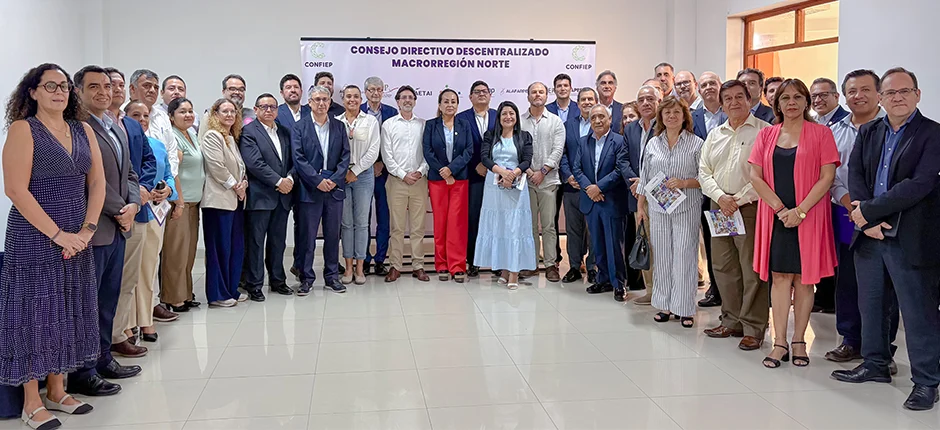
PIURA, PERU – With meteorological indicators signaling a significant intensification of the El Niño phenomenon (FEN), the Peruvian private sector has launched a high-stakes initiative to safeguard the Northern Macro Region. In a decisive move to bridge the gap between institutional resources and urgent field action, the National Confederation of Private Business Institutions (CONFIEP) convened a strategic summit at the Chamber of Commerce of Piura. The assembly brought together an unprecedented coalition of business leaders, government officials, and international development partners to formalize a collaborative framework designed to mitigate the potentially devastating impact of the climate event.
The Urgency of Action: A Strategic Pivot
The gathering, held on September 1, 2026, was framed by a singular, urgent realization: the window for preventative action is rapidly closing. As the Pacific Ocean temperatures continue to climb, the risks to infrastructure, agricultural output, and local livelihoods have become immediate.
Jorge Zapata Ríos, President of CONFIEP, addressed the assembly with a message of pragmatic urgency. "The remaining two or three months are critical," Zapata stated. "We must exhaust every possible avenue for preparation. The private sector is stepping up not just as a donor, but as an operational partner. Companies possess the inherent agility and logistical capacity to execute rapid-response infrastructure works and supply chain stabilization, which are often hindered by bureaucratic inertia in the public sector."
The objective of the meeting was clear: to move beyond theoretical planning and into an execution phase where private sector efficiency complements the regulatory reach of the state.
Chronology of the Crisis and Response
The road to the Piura summit was marked by increasing environmental volatility. Below is the timeline of the recent escalation:
- Early Q2 2026: Initial climate reports from international agencies warned of an anomalous warming trend in the tropical Pacific, suggesting a high probability of a "strong" El Niño event.
- July 2026: Regional chambers of commerce in the north began reporting early signs of climatic stress on regional agricultural exports and infrastructure stability.
- August 2026: CONFIEP initiates a series of decentralized diagnostic meetings to assess the specific vulnerability of the Northern Macro Region, identifying critical points in water management and transport connectivity.
- September 1, 2026: The formal summit in Piura unites national business associations, regional chambers, congressional representatives, and municipal leaders to sign a collaborative commitment for proactive defense.
Supporting Data and Stakeholder Involvement
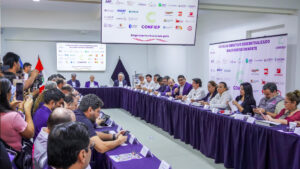
The sheer scope of the meeting highlighted the gravity of the situation. The summit was not merely a gathering of executives but a multi-sectoral powerhouse.

Key Sectoral Representation
The coalition featured a robust cross-section of the Peruvian economy:
- Industry & Infrastructure: Leaders from the Association for the Promotion of National Infrastructure (AFIN) and the Peruvian Chamber of Construction (CAPECO) emphasized the need for reinforced drainage systems and road protection.
- Health and Social Safety: Representatives from the Association of Private Clinics (ACP) and the National Association of Pharmaceutical Laboratories (ALAFARPE) coordinated contingency plans for potential outbreaks and supply shortages.
- Logistics & Commerce: ComexPerú and the Association of Automotive Producers (AAP) focused on maintaining the "backbone" of the national supply chain to ensure that food and fuel reach affected populations during emergencies.
- Small Business Support: The Association of Small Business Guilds provided a voice for the most vulnerable economic segment, ensuring that the mitigation strategy includes the survival of MSMEs.
International and Public Sector Synergy
The presence of international organizations underscored the global concern for Peru’s stability. Javier Álvarez of UNICEF and Ítalo Cardona of the International Labour Organization (ILO) were present to integrate humanitarian standards into the corporate response. Furthermore, PROINVERSIÓN and the Authority for the Jequetepeque-Zarumilla Water Administration provided technical data, ensuring that the private sector’s infrastructure interventions align with long-term watershed and public investment goals.
Official Responses and Strategic Pillars
The consensus reached during the summit rests on three pillars of cooperation:

1. Rapid Infrastructure Deployment
The private sector committed to utilizing existing "Works for Taxes" (Obras por Impuestos) mechanisms to fast-track the cleaning of riverbeds and the reinforcement of critical bridges. By bypassing standard procurement delays, the private sector aims to complete essential preventive works before the peak of the rains.
2. Supply Chain Continuity
With the support of the National Society of Radio and Television (SNRTV), the coalition plans to implement a real-time communication network to inform the public and logistics providers about road closures or supply risks, ensuring that essential goods remain in circulation even if primary routes are impacted.
3. Integrated Humanitarian Response
The "Hombro a Hombro" (Shoulder to Shoulder) initiative, led by Juan Manuel Arribas, was identified as the primary vehicle for coordinating corporate social responsibility efforts. This ensures that donations and emergency supplies are not duplicated but directed to the areas of greatest need, as identified by regional mayors and municipal leaders.
Implications for the Future
The Piura meeting signifies a fundamental shift in how Peru manages climate risk. Historically, disaster response has been overly centralized and reactive. This new model, spearheaded by CONFIEP, proposes a decentralized, pro-active, and private-led execution strategy.
Economic Implications
If successful, the intervention could save billions in lost GDP. The Northern region is an engine for Peru’s agro-export sector. Protecting the infrastructure that facilitates this export flow is not just an act of disaster prevention, but a necessary measure to ensure national economic stability.
Political and Social Implications
The collaboration between private companies and local governments—such as the municipalities of Piura and 26 de Octubre—serves to build trust between the state and the private sector. By working together in the trenches of disaster prevention, these actors are establishing a roadmap for future public-private partnerships that could address issues beyond climate change, such as long-term urban development and regional healthcare gaps.

Challenges Ahead
Despite the optimism, the coalition faces significant hurdles. The "two to three months" window mentioned by Zapata Ríos is razor-thin. Administrative obstacles, the complexity of environmental regulations, and the sheer unpredictability of the weather remain major variables. Furthermore, the success of this initiative will depend on the sustained commitment of local authorities to expedite permits and maintain transparency in the execution of joint projects.
Conclusion
The gathering in Piura is a testament to the resilience and proactive nature of the Peruvian private sector. By mobilizing a diverse group of stakeholders—ranging from mining giants like Buenaventura to small business associations—the coalition has demonstrated that the threat of El Niño is being treated with the gravity it deserves.
As the country braces for the coming months, the eyes of the nation will be on the North. The effectiveness of this private-public partnership will not only be measured in the volume of riverbeds cleared or bridges shored up, but in the lives and livelihoods preserved through this decisive, coordinated action. The message from Piura is clear: when faced with an existential climate threat, the private sector is not waiting for the rain to fall—it is preparing the shelter.