The upcoming apostolic journey of Pope Leo XIV to Peru, scheduled for November 2026, represents far more than a significant religious milestone for the South American nation. According to the latest projections from PromPerú, the visit is poised to act as a powerful catalyst for the tourism sector, drawing an estimated 800,000 visitors and generating a minimum economic impact of S/300 million. As the Vatican fine-tunes an itinerary that now includes additional destinations across the country, government officials anticipate that these figures will climb even higher, signaling a monumental period for the Peruvian hospitality and service industries.
A Massive Economic Mobilization
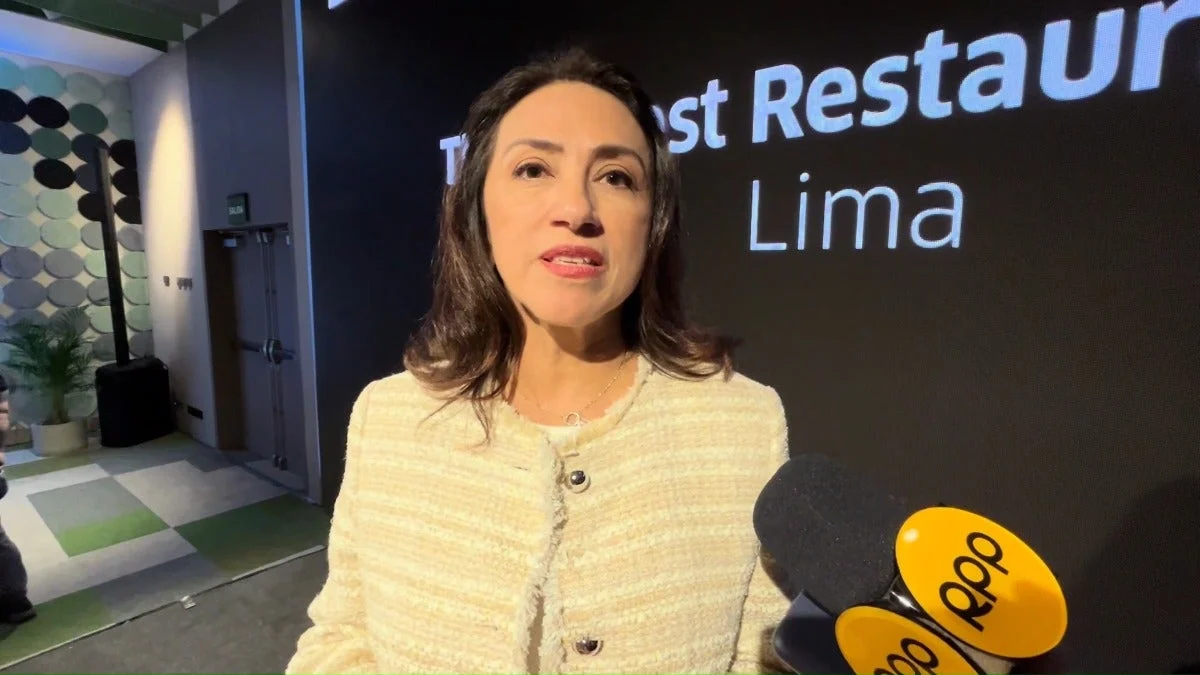
Teresa Mera Gómez, Executive President of PromPerú, emphasized that the logistical and economic ripples of the Pope’s visit are expected to touch every corner of the regions he plans to visit. "As of yesterday, based on the information available, we had estimated an economic movement of approximately S/300 million," Mera stated in an interview with RPP. "This is a substantial injection of capital for these regions, and we anticipate that the final figures will likely exceed these projections now that additional stops have been added to the Holy Father’s itinerary."
The scale of the movement is significant. Projections indicate that 800,000 individuals will travel within the country to witness the pontiff’s activities. Of this vast group, approximately 50,000 are expected to be international tourists arriving from neighboring nations and across the globe, providing a much-needed boost to foreign exchange earnings. The remaining 750,000 represent domestic travelers, highlighting a massive surge in internal tourism that will benefit regional transport, hotels, restaurants, and local artisans.
Chronology of the Apostolic Journey
The Vatican has confirmed that Pope Leo XIV will be in Peru from November 11 to November 16, 2026. The itinerary is designed to provide a cross-section of the Peruvian experience, bridging the bustling capital with the cultural heart of the Andes and the biodiversity of the Amazon basin.
Lima: The Arrival and The Grand Finale
The journey begins on Wednesday, November 11, at the Naval Air Base in Callao. Upon his arrival, the Pope will hold formal meetings with state authorities, followed by high-energy gatherings with youth groups and representatives of civil society, emphasizing the Church’s commitment to the younger generation. The visit will conclude on Monday, November 16, with a massive closing mass at the Las Palmas Air Base in Lima, expected to draw the largest crowd of the entire trip.
Chiclayo and the Northern Coast
On Friday, November 13, the pontiff will travel north to Lambayeque. The centerpiece of this visit will be an open-air mass at the Pampas de Pimentel, a site with historical significance. Following the service, the Pope is scheduled to hold an academic and pastoral encounter at the Santo Toribio de Mogrovejo Catholic University, fostering a dialogue between faith and higher education.
Cajamarca: Faith in the Highlands
Saturday, November 14, will see the Pope move to the Andean region of Cajamarca. Here, he will celebrate a Eucharist at the Santa Cruz de Succhabamba esplanade. The day will conclude with a solemn prayer meeting in Zaña, providing a moment of reflection for the faithful in a region deeply rooted in colonial history and religious tradition.
Cusco and Pucallpa: From the Andes to the Amazon
Sunday, November 15, marks a physically demanding and symbolically significant day for the Pope. He will arrive in Cusco, the historic capital of the Inca Empire. Activities are planned at the Saqsaywaman Archaeological Park, where the pontiff will address the faithful and pray the Angelus. Later that day, he will transition to Pucallpa in the Ucayali region. This stop is of particular importance, as it will include a private meeting with representatives of indigenous peoples, underscoring the Vatican’s focus on environmental stewardship and the rights of native communities.
Supporting Data and Sectoral Impact
The economic impact, while estimated at S/300 million in direct spending, is expected to have a multiplier effect on the local economy. Experts in tourism management suggest that the influx of 50,000 international visitors will lead to a 100% occupancy rate in hotels within the host cities, potentially extending to neighboring municipalities.
- Hospitality Sector: Hotels, hostels, and Airbnb providers are reporting early bookings for the second week of November. Many businesses are investing in infrastructure upgrades to accommodate the surge.
- Aviation and Transportation: Local airlines are preparing for increased demand on routes connecting Lima to Cusco, Chiclayo, and Pucallpa. Regional governments are working to ensure road safety and public transport efficiency for the thousands of domestic pilgrims traveling by bus.
- Artisan Economy: Local craft markets in Cusco and Cajamarca are preparing for a spike in sales, as tourists seek mementos of the historic visit.
Official Responses and Security Preparations
The Peruvian government, in coordination with the Holy See, has established a high-level committee to ensure the safety and success of the event. Security protocols will be unprecedented, involving the National Police of Peru, the Armed Forces, and specialized Vatican security details.
Teresa Mera Gómez of PromPerú noted that the promotional value of the visit is incalculable. "When the Pope visits, the eyes of the world are on Peru," she explained. "This provides a unique platform to showcase our cultural heritage, our gastronomy, and the warmth of our people to millions of viewers globally. The long-term impact on our tourism brand identity will last for years after the Pope has returned to Rome."
Religious leaders have also voiced their optimism. Archbishopric representatives have indicated that the visit is intended to be a time of "national reconciliation and hope," aiming to bring together citizens across the political and social spectrum.
Broader Implications for the Nation
The visit of Pope Leo XIV occurs at a critical juncture for Peru. Economically, it provides a timely stimulus following recent global market fluctuations. Culturally, the visit serves to highlight the diversity of the Peruvian nation, specifically through the inclusion of the Amazonian region of Pucallpa and the indigenous focus of the visit.
By choosing to visit both the urban centers and the more remote regions, the Pope is making a clear statement about the inclusivity of the Church. The logistics of the trip—moving between different altitudes and climates—demonstrate a commitment to reaching the people where they live.
As November 2026 approaches, Peru is bracing for an extraordinary week. Whether measured in the S/300 million injected into the local economy, the 800,000 people gathering in prayer, or the millions of impressions on international news outlets, the visit of Pope Leo XIV is set to be the most defining event of the decade for the country. For the tourism sector, it is a massive challenge, a logistical marathon, and, ultimately, the greatest promotional opportunity in the nation’s history.