
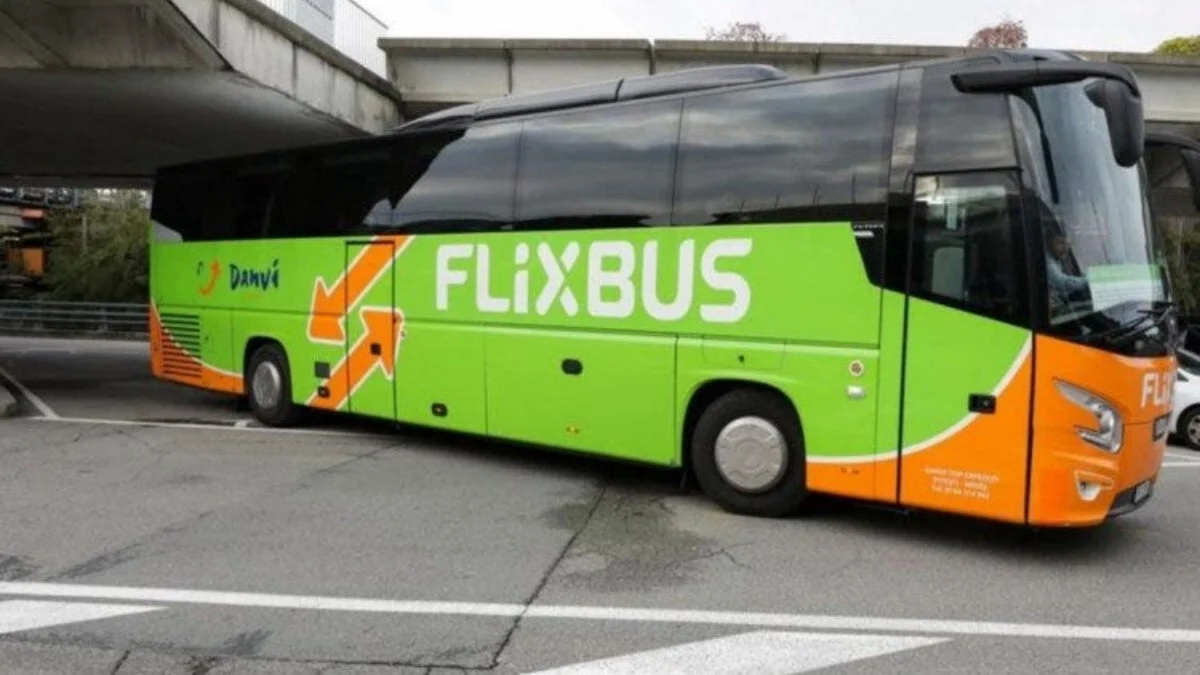
The Peruvian interprovincial transport sector is bracing for a major shift. FlixBus, the German-based global travel-tech giant known for revolutionizing road travel across Europe and the United States, has officially set its sights on the Peruvian market. However, its entry strategy—relying on a strategic partnership with the local conglomerate Grupo Polo—has triggered a fierce debate regarding regulatory compliance, consumer protection, and the nature of market competition.
While FlixBus promises to bring its hallmark digital-first experience to the route connecting Lima, Chimbote, and Trujillo, domestic transport unions are sounding the alarm. The core of the controversy lies in whether this “asset-light” business model is a genuine innovation or a sophisticated mechanism designed to bypass the stringent safety and operational requirements imposed on traditional Peruvian bus companies.
The Strategic Partnership: FlixBus and Grupo Polo
FlixBus’s entry into Peru is not characterized by a massive fleet of proprietary, branded buses. Instead, it follows the model that has fueled its global expansion: the platform acts as the "brand" and the "technology," while the actual heavy lifting—the buses, drivers, maintenance, and day-to-day operations—is outsourced to a local partner.
In Peru, that partner is Grupo Polo, a diversified conglomerate with deep roots in the national transport sector. Among its portfolio is Allin Group, which operates critical infrastructure like the "Corredor Rojo" in Lima. By partnering with a firm that already possesses the necessary operating permits, fleet capacity, and local regulatory clearance, FlixBus aims to enter the market quickly and efficiently.
For the German firm, this is a scalable strategy. For the Peruvian transport sector, however, it is viewed as a "white-label" operation that obscures accountability.
A Chronology of Hurdles: From Rejection to Market Entry
The path to this moment has been far from smooth. FlixBus’s initial attempt to enter the Peruvian market was not a recent development. The company had originally planned to launch by late 2025, betting on a digital-first approach to disrupt the status quo.
- The Initial MTC Rejection (November 2025): The Ministry of Transport and Communications (MTC) initially declared FlixBus’s application to operate the Lima-Ica route as "improcedente." The ministry cited concerns regarding the documentation provided for the fleet.
- The Copropiedad Dispute: When FlixBus provided the necessary legal documentation regarding vehicle ownership, the MTC pivoted its stance. The authorities argued that the legal framework for "co-ownership" of vehicles, which the partnership relied upon, was applicable only to specialized transport services and not to regular interprovincial passenger services.
- The Pivot: By aligning with Grupo Polo, FlixBus appears to have cleared the regulatory hurdles that previously stalled their progress, opting to enter the market under the umbrella of a local operator rather than as a standalone transport entity.
The Controversy: Unions Raise Concerns over "Fronting"
The Confederation of Terrestrial Transporters of Peru (COTRAP) and the Association of Owners of Interprovincial Buses (APOIP) have emerged as the primary critics of this partnership. Their concerns are not rooted in a fear of competition, but rather in what they define as a regulatory gray area.
The Argument Against "Brand-First" Operations
According to representatives from COTRAP-APOIP, the FlixBus model introduces a problematic disconnect between the entity selling the service and the entity providing it.
"There is no transport company entering Peru," the unions stated in a joint press release. "There is a brand that positions itself in front of a Peruvian company to sell tickets as if it were the one doing the transporting. This is not innovation; it is a legal artifice designed to evade the requirements that the law imposes on whoever truly operates a passenger transport service."
The unions argue that the current Peruvian regulatory framework assumes that the entity selling the ticket is the entity liable for the entire operation. They contend that by acting as an intermediary, FlixBus could theoretically decouple its brand reputation from the operational risks and liabilities inherent in high-risk road travel.
Implications for the Passenger: Liability and Security
The most critical point of contention is the ambiguity surrounding consumer rights. When a passenger books a ticket through the FlixBus app, who is ultimately responsible if a tragedy occurs?
Key Questions on Accountability:
- Accident Liability: In the event of a collision or incident on the highway, is the victim seeking compensation from the tech platform or the local operator?
- Operational Failures: Who is responsible for delays, cancellations, or service failures?
- Equipment Standards: While Grupo Polo has promised to display its buses and detail their safety features, unions are demanding to know if these vehicles meet the same rigorous standards required of companies that bear their own name on the side of the bus.
"The passenger has the right to know, before paying, who they are entrusting their safety to," the unions emphasized. They argue that a global brand should not serve as a "facade" for local operators to sidestep strict legal oversight.
The Demand for Transparency and Direct Investment
The conflict has evolved into a call for regulatory clarity. The industry guilds are not asking for a ban on foreign investment, but they are demanding that the MTC clarify the legal standing of such business structures.
Specifically, the unions are requesting public disclosure on:
- Investment Commitments: What is the scope of FlixBus’s direct investment in infrastructure? They are questioning whether the German firm is bringing capital for new fleets and modern terminals, or simply bringing a software platform that exploits existing local infrastructure.
- Operational Responsibility: A clear legal definition of the "shared responsibility" between the digital intermediary and the physical operator.
- Regulatory Equalization: If the business model remains as is, the unions demand that the MTC ensure that both the platform and the operator are held to the same high standard of liability as traditional companies.
Looking Ahead: The Future of Peruvian Interprovincial Transport
As of today, Grupo Polo is scheduled to unveil the buses that will serve the Lima-Chimbote-Trujillo route. This event is expected to be a pivotal moment in the discourse, as it will likely be the first time the public sees how the "FlixBus" branding is applied to the local fleet.
For the Peruvian government, the entry of FlixBus presents a difficult balancing act. On one hand, the country is eager to modernize its transport sector and attract foreign investment to improve efficiency, digital accessibility, and user experience. On the other, the MTC must ensure that the rapid introduction of new business models does not undermine the safety protocols and accountability structures that have been painstakingly built over the last two decades.
A Test Case for Regulatory Modernization
The FlixBus situation serves as a test case for how Peru’s regulatory bodies handle the "platform economy" in physical sectors. As ride-sharing apps and digital marketplaces continue to disrupt traditional industries, the line between an "intermediary" and an "operator" is becoming increasingly blurred.
If the MTC allows this partnership to proceed without additional safeguards, it could set a precedent for other digital giants to enter the market under similar arrangements. Conversely, if the government imposes strict new rules on the partnership, it could signal a more cautious approach to foreign tech firms operating in highly regulated, safety-sensitive industries.
Ultimately, the passenger remains the centerpiece of this debate. The appeal of lower prices, easier booking, and, presumably, a more standardized travel experience is high. However, in the rugged, challenging geography of Peru, safety is not merely a service feature—it is a non-negotiable requirement. Whether the "FlixBus model" can guarantee that safety while navigating the complex, often contentious, legal landscape of Peruvian transport remains the question of the year.
As the industry waits for the first buses to hit the road, one thing is clear: the era of traditional transport in Peru is being challenged, and the outcome of this dispute will reshape how millions of Peruvians travel across the country for years to come.