The landscape of Peruvian mining, once defined by rigid traditions and pervasive superstitions—including the antiquated and harmful belief that a woman’s presence in an operation brought "bad luck"—is undergoing a profound transformation. As the industry evolves into a high-tech, data-driven sector, the role of women is expanding from the periphery to the core of operations. Recent data from Women in Mining Perú (WIM Perú) confirms that the workforce participation of women in the mining sector has climbed steadily from 7.5% in 2021 to 10.7% in 2024, representing approximately 20,000 women currently employed in the industry.
While these figures represent a significant victory for gender equality, they also highlight a lingering challenge: the concentration of female talent in administrative roles rather than the technical and operational "front lines." As the industry approaches a technological revolution, the path forward is defined by digital integration, STEM education, and a concerted effort to break the glass ceiling in executive suites.
A Decade of Change: From Marginalization to Integration
Ten years ago, the inclusion of women in mining operations was an exception rather than a standard. The industry was characterized by a lack of infrastructure for women, inflexible work schedules, and a deeply entrenched corporate culture that favored men.
During the recent celebration of WIM Perú’s 10th anniversary, its president, Nahil Hirsh, reflected on the significant shift that has occurred over the last decade. The organization, which has grown to represent over 4,000 associates, has been the primary engine driving this change.
Chronology of Progress (2021–2024)
The data presented at the anniversary gala underscores a consistent, albeit gradual, upward trajectory:
- 2021: 7.5% participation in the general mining regime.
- 2022: 8.0% participation.
- 2023: 8.5% participation.
- 2024: 10.7% participation.
This growth is not merely numerical. It reflects a fundamental shift in how mining companies recruit and retain talent. According to Hirsh, the barriers that once made it impossible for women to thrive—such as rigid, outdated work shifts and a lack of support systems—are being systematically dismantled. Companies are increasingly adopting policies that prioritize flexibility and inclusivity, recognizing that a diverse workforce is a more productive and innovative one.
The Demographic Divide: Where Do Women Work?
Despite the positive growth, a clear "horizontal segregation" remains. The data reveals that 23% of the workforce in administrative roles is female, and 14% of management positions are held by women. Conversely, participation in technical and operational roles—the heart of the mining process—remains significantly lower.
Historically, the presence of women in engineering and field operations hovered between 3% and 7%. While these numbers are rising, they remain the primary hurdle for the industry. The challenge lies in transitioning women from the back office to the pit, the plant, and the exploration site.
The Skills Gap vs. The Opportunity
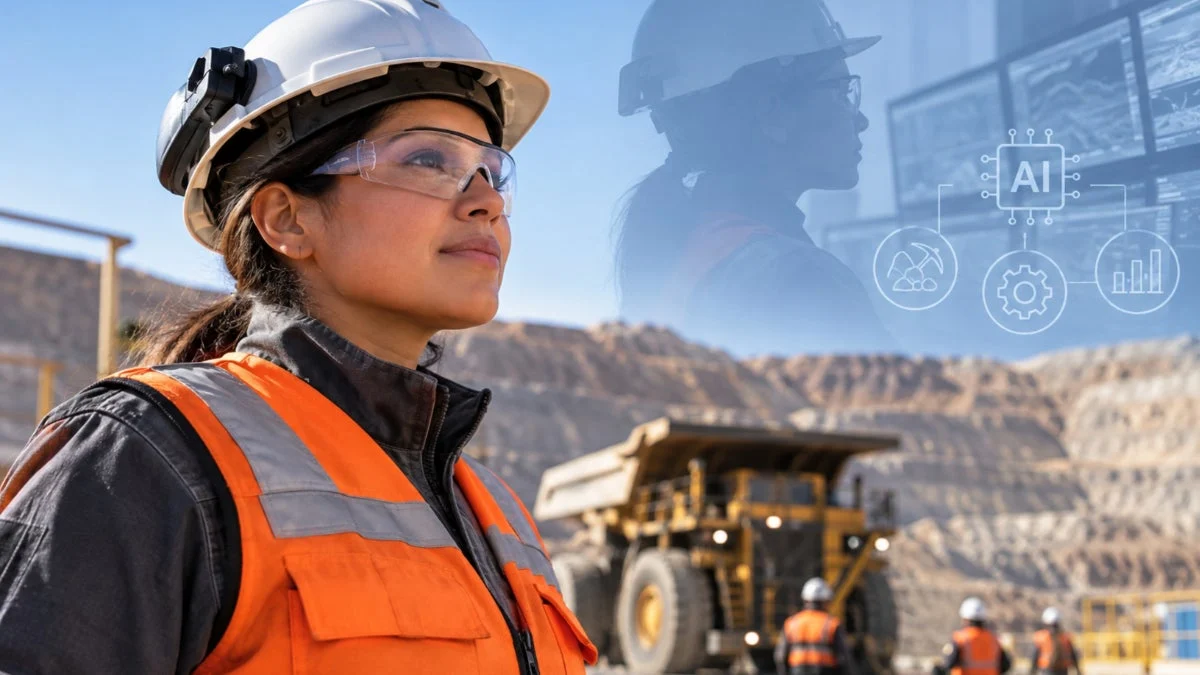
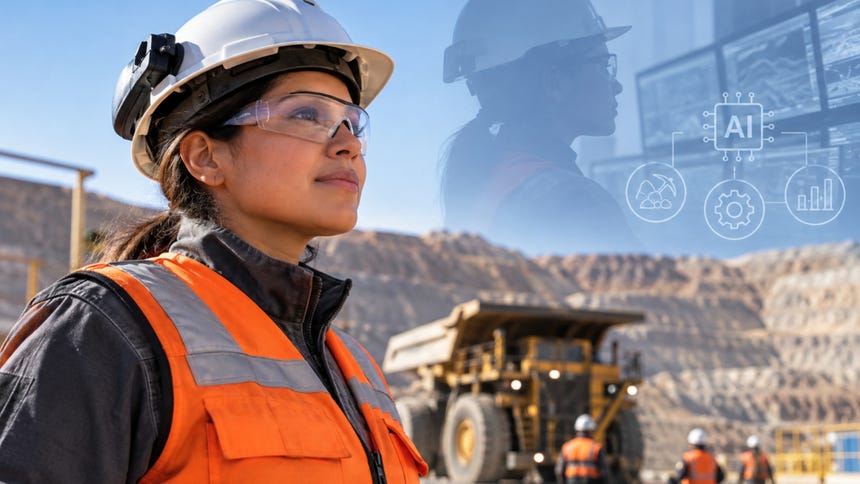
The industry is currently undergoing a "technological leap." The integration of Internet of Things (IoT) sensors, automated trucks, digital twins, and Artificial Intelligence (AI) is changing the nature of mining work. This shift is lowering the physical barriers that once prevented women from entering operational roles. As manual labor is replaced by remote operation centers and analytical monitoring, the physical strength once required for mining is becoming less critical than the cognitive skills required to manage complex systems.
Official Perspective: The Roadmap to 15%
During an interview with RPP, Nahil Hirsh outlined an ambitious roadmap for the next five years. WIM Perú has set a target of reaching 15% female participation by 2029. Achieving this "high-double-digit" goal requires more than just hiring; it requires a systemic change in how women are promoted to decision-making roles.
The Power of "Sponsorship"
WIM Perú is moving beyond traditional "mentorship" to promote "sponsorship." In this model, high-level executives are tasked with actively backing, promoting, and advocating for women in middle management. This ensures that when leadership opportunities arise, qualified women are positioned to seize them.
"The goal is not only to increase the number of women entering the sector," Hirsh stated. "It is to ensure they have a clear, unimpeded path to the boardroom and to executive decision-making positions."
The Digital Frontier: Mining Tech and the Future Workforce
The mining industry of the future will be defined by its ability to integrate data and technology. According to industry projections, 66% of mining employers believe that by 2030, a technological revolution will fundamentally alter the nature of the industry. In Latin America, it is estimated that up to 57% of current working hours could be automated.
This creates a unique window of opportunity for women. AI and digital tools are not exclusive to tech-specialized roles; they are becoming essential for geologists, mining engineers, and environmental consultants.
Initiatives for the Digital Age
To capitalize on this, WIM Perú has launched several key initiatives:
- Mining Tech Circle: An initiative designed to connect women with the digital ecosystem. It focuses on developing digital literacy and visibility for women leading innovation.
- Future Tech Leaders: A program that trains professionals in fields like finance, mining engineering, and geology to identify operational problems and apply technological solutions, such as AI or data analytics, to solve them.
- Startup and Tech Circle: Encouraging women to become founders of mining-tech startups, thereby moving from employees to creators and leaders in the industry’s digital transformation.
Cultivating the Pipeline: The STEM Strategy
WIM Perú recognizes that closing the gender gap cannot begin at the university recruitment stage; it must start in the classroom. The organization is actively engaged in promoting STEM (Science, Technology, Engineering, and Mathematics) disciplines in schools across 15 regions of Peru.
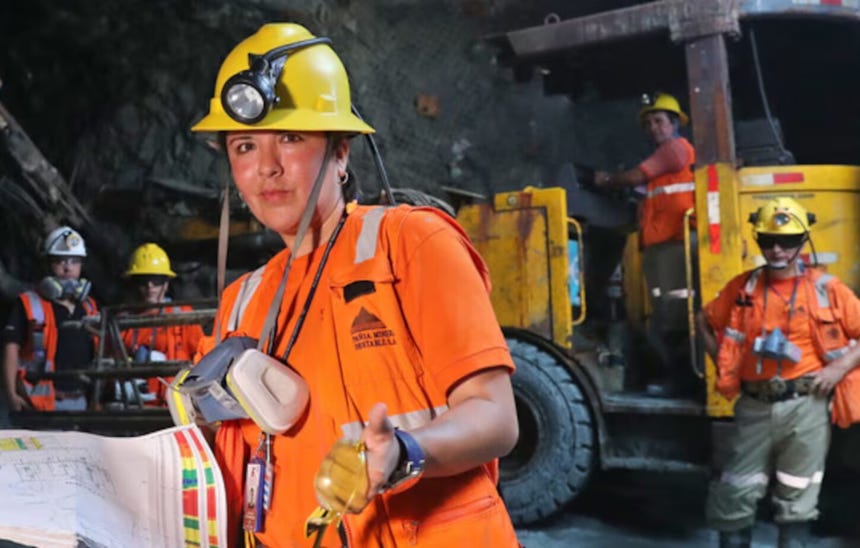
By providing female tutors and role models to students in their third to fifth year of secondary school, the organization aims to challenge the gender biases that steer young girls away from engineering and toward social sciences. The goal is to demystify mining and show that it is a dynamic, high-tech career path for all.
Global Implications and Challenges
When compared to global standards, the Peruvian mining industry is catching up. Globally, women represent between 8% and 17% of the mining workforce. In engineering, that number is roughly 28%, and in AI-specific roles, it stands at 22%.
Peru’s goal of 15% is realistic, provided the industry maintains its commitment to modernization. The transition toward a "smarter" mine—one that is safer, more efficient, and less physically demanding—is the strongest catalyst for diversity.
The "Smarter Mine" as an Inclusive Mine
The shift toward autonomy and remote operations is arguably the most significant driver of gender inclusion. By removing the need for workers to be physically present in hazardous or remote environments for extended periods, the industry makes itself more accessible to caregivers and those seeking a better work-life balance.
However, technology alone is not enough. The industry must continue to address the cultural inertia that still persists in some areas. The "bad luck" superstitions of the past have been largely replaced by professional respect, but the need for a corporate culture that values meritocracy over tradition remains paramount.
Conclusion: A Turning Point
The mining sector in Peru is at a crossroads. As it embraces the Fourth Industrial Revolution, it has the chance to redefine its identity. The rise in female participation from 7.5% to 10.7% in just three years is a testament to the fact that the industry is capable of rapid, positive change.
By investing in STEM, fostering startup innovation, and institutionalizing the sponsorship of female talent, the Peruvian mining industry is not just meeting a quota—it is building a more resilient, innovative, and competitive workforce. As Nahil Hirsh and the members of WIM Perú look toward the next decade, the focus is clear: the future of mining is not just digital; it is inclusive, and it is increasingly led by the women who are redefining the boundaries of what is possible in the heart of the Andes.