
As the clock ticks toward the December 31, 2026, deadline for the current mining formalization regime, the Peruvian government is orchestrating a decisive shift in policy. With thousands of miners still navigating the labyrinthine bureaucratic requirements of the Integral Mining Formalization Registry (Reinfo), the Executive branch is preparing to introduce a transformative piece of legislation: the Law of Artisanal and Small-Scale Mining (MAPE).
This legislative maneuver, scheduled for submission to Congress by October 15, represents a fundamental pivot in how the state addresses one of the most complex socioeconomic challenges in the Andean nation. By replacing the existing, often criticized framework with a streamlined, specialized regime, the Ministry of Energy and Mines (MINEM) aims to offer a viable path toward legality for over 31,000 miners currently trapped in a perpetual state of administrative uncertainty.
The Core Challenge: A Legacy of Stalled Progress
To understand the urgency behind the proposed MAPE Law, one must look at the sobering statistics provided by the Ministry of Energy and Mines. As of April 20, 2026, the Reinfo registry contained 31,610 entries. Of these, 23,861 miners held "active" status, while 7,749 remained suspended.
These numbers, however, mask a deeper systemic failure. Between 2014 and 2025, a span of over a decade, only 2,295 miners successfully completed the entire formalization process. This stark disparity—between tens of thousands of participants and a mere fraction of successful outcomes—highlights the inefficacy of the existing regulatory model. For many, being "registered" in Reinfo became a shield against immediate closure, rather than a bridge to full integration into the formal economy.
Defining the MAPE Law
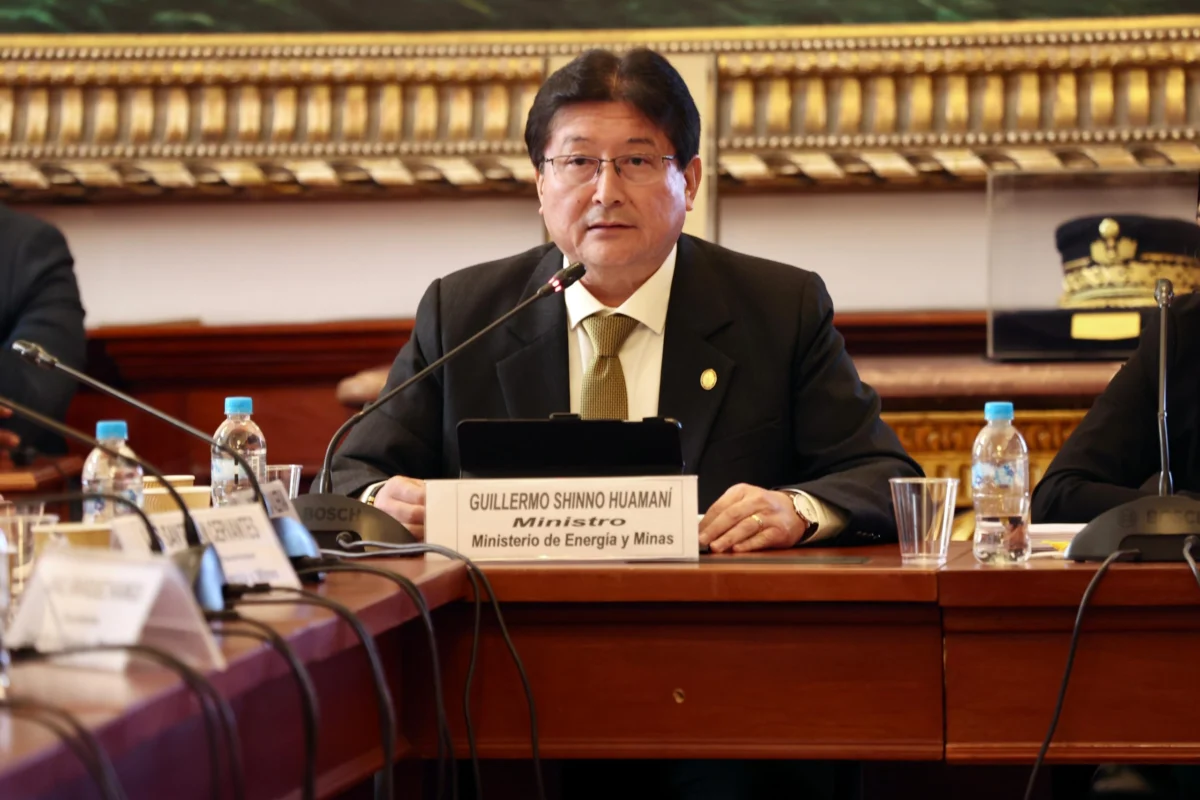
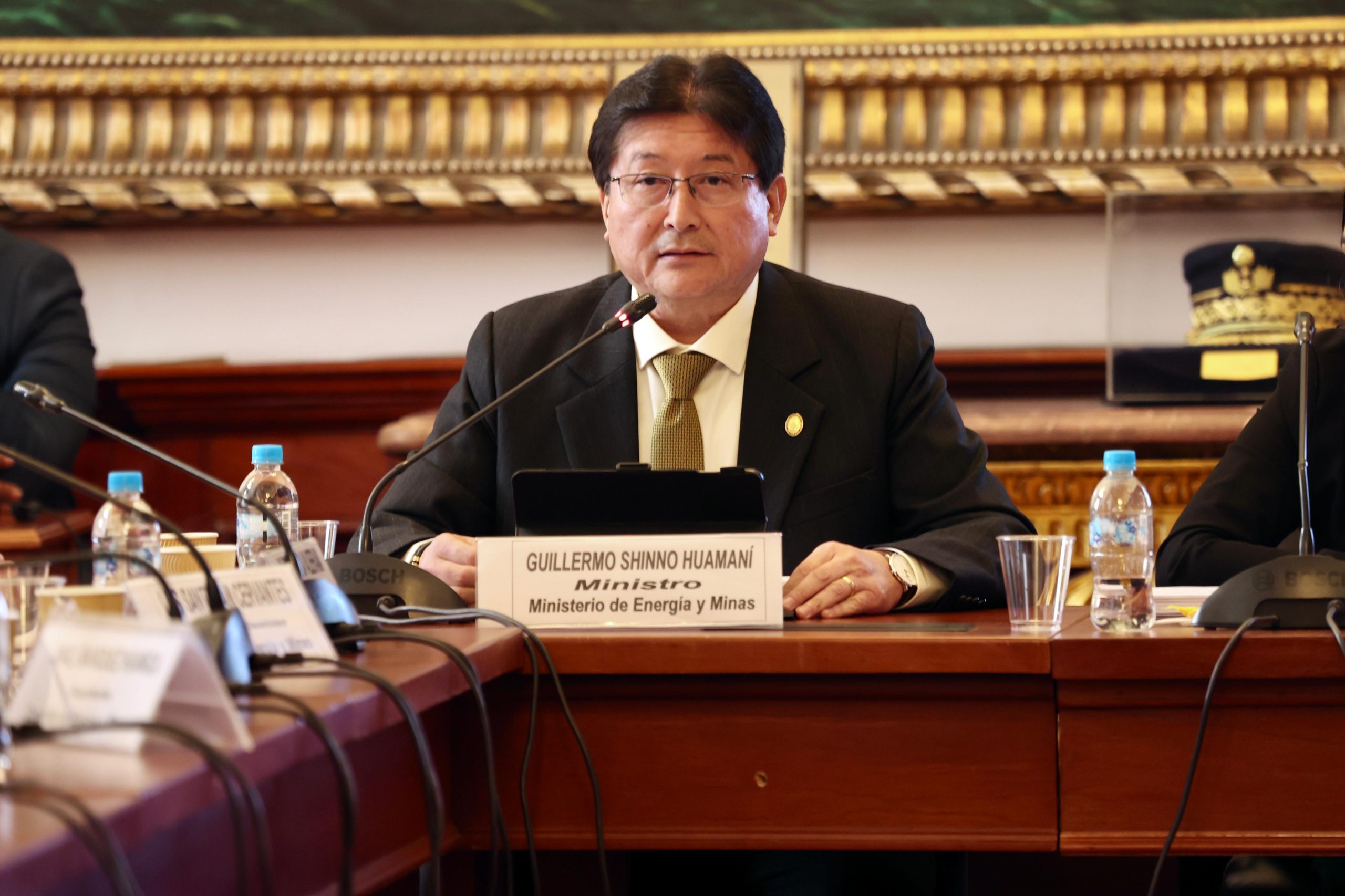
Minister of Energy and Mines, Guillermo Shinno, outlined the vision for this new framework during a critical session before the Congressional Energy and Mines Commission on September 15. The proposed MAPE Law is not merely an extension of the status quo; it is a fundamental redesign.
The core features include:
- Simplified Administrative Requirements: A move away from the complex and often prohibitive IGAFOM (Instrument for Environmental Management and Mining Formalization) towards a more accessible compliance format.
- Geological Zoning: Identifying specific territories with proven geological potential tailored for small-scale and artisanal operations to prevent land-use conflicts.
- Regional Technical Assistance: Empowering local governments to provide hands-on guidance to miners, bridging the gap between theoretical requirements and field application.
- A 2027 Transition: Providing a structured, time-bound path for those who fail to meet the 2026 deadline, moving them into a more rigorous, specialized regulatory environment.
Chronology: From Crisis to Reform
The journey toward the MAPE Law is the result of years of institutional friction and the realization that the "emergency" measures of the past have become a permanent, yet ineffective, fixture.
- 2014–2025: The Stagnation Period: Throughout these years, various attempts were made to encourage formalization. Despite recurring extensions of the Reinfo deadline, the vast majority of miners remained in a legal gray area, unable to navigate the technical and environmental requirements.
- April 2026: The definitive snapshot of the sector shows over 31,000 miners registered, with the vast majority still years away from full compliance.
- September 15, 2026: Minister Guillermo Shinno presents the draft of the MAPE Law to the Congressional Energy and Mines Commission, signaling the government’s intent to end the cycle of short-term extensions.
- October 15, 2026 (Target Date): The Executive branch is committed to delivering the finalized legislative proposal to Congress for debate.
- December 31, 2026: The current expiration date for the existing formalization regime, creating a "hard" deadline for the transition to the new MAPE framework.
Official Perspectives and the Debate on Corruption
The narrative surrounding mining formalization in Peru is deeply polarized, involving economic necessity, environmental protection, and the pervasive threat of organized crime.
The Government’s Stance
Minister Shinno has been clear in his messaging: the government intends to move away from "blanket extensions" that have characterized the last two decades. The goal is to separate those who are genuinely attempting to formalize their operations from those who use the registry as a cover for illicit activity. The proposed law seeks to create a "filtered" environment where compliance is incentivized through technical support, while non-compliance is met with clear consequences.
The Private Sector View
Industry leaders, such as Roque Benavides, President of Expomina Peru 2026, have been vocal critics of the current system. Benavides has repeatedly warned that the lack of effective formalization has allowed illegal mining to proliferate, serving as a primary driver of corruption and environmental degradation.
"The formalization process must be robust," Benavides stated in recent comments. "We cannot continue to provide a sanctuary for illegal actors under the guise of ‘artisanal’ mining. The law must distinguish between the subsistence miner and the illegal operation that destroys our ecosystems and evades taxes." His position reflects a growing consensus among large-scale mining entities that the state must exert stricter control over the supply chain, particularly regarding the origin of gold and other minerals.
Implications: A Real Solution or Another Delay?
The legislative battle ahead in the final months of 2026 will determine whether the MAPE Law becomes a catalyst for real change or merely another bureaucratic reshuffle.
The Challenges of Implementation
Congress faces a daunting task. Within a two-month window, lawmakers must define:
- Scope of Activities: What exactly constitutes "artisanal" versus "small-scale" mining? Creating clear boundaries is essential to prevent large-scale illegal operations from claiming small-scale status.
- Environmental Obligations: How will the government enforce environmental safeguards without making the cost of entry prohibitive for the average miner?
- The Origin of Mineral: A crucial component of the new law must be the traceability of ore. Without this, the formalization of mining will fail to curb the flow of illegal gold into the international market.
- Sanctions: For the law to carry weight, there must be a clear "exit" strategy for those who fail to comply, even under the new, more accessible rules.
The Socio-Economic Impact
The human dimension of this reform cannot be overlooked. For 31,000 miners and their families, these regulations are not just legal hurdles—they are the foundation of their livelihoods. If the MAPE Law is too restrictive, it risks pushing these individuals further into the underground economy. If it is too lenient, it fails to achieve the objective of environmental and social responsibility.
The government’s proposed strategy of "simplified requirements" acknowledges that the previous system was effectively designed for industrial-scale operations rather than the reality of small-scale miners. By adapting the regulations to the scale of the operations, MINEM hopes to bring the majority of the sector into the light, allowing them access to credit, technology, and legal security.
Conclusion: Turning the Page on 24 Years
For over two decades, Peru has navigated a cycle of "formalization" that has largely functioned as a series of repeated stay-of-executions. The proposed MAPE Law marks an attempt to finally break this cycle.
As the Executive prepares its formal submission, the eyes of the nation are on the Congressional Energy and Mines Commission. The challenge is immense: they must craft a policy that is firm enough to root out the criminal elements that exploit the artisanal sector, yet flexible enough to allow the honest, small-scale producer to flourish.
The success of this initiative will be measured not by the number of miners registered, but by the number of operations that achieve full compliance, environmental certification, and integration into the national economy. If successful, the MAPE Law could serve as the cornerstone of a more sustainable, equitable, and transparent mining sector for Peru in 2027 and beyond. If it fails, the cycle of shadow mining and regulatory instability is likely to continue, perpetuating the very challenges that have plagued the industry since the turn of the century.