
Introduction
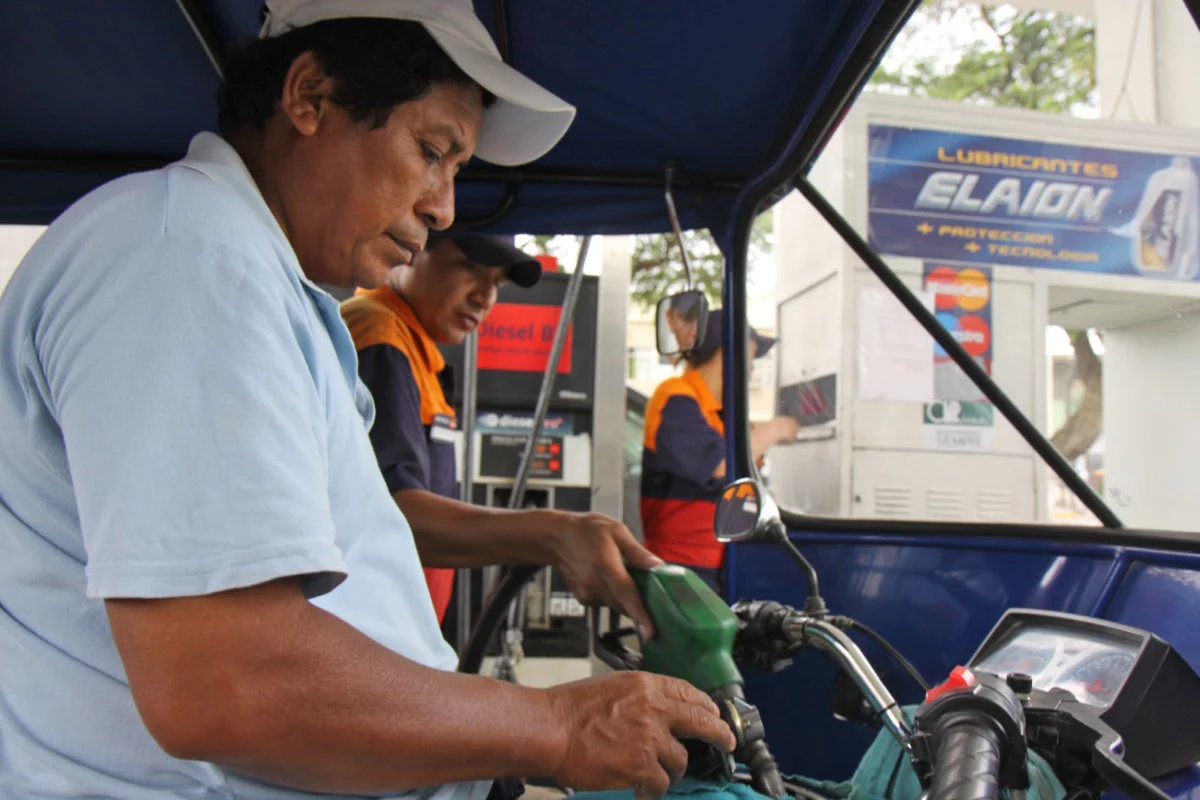
The Amazonian region of Loreto, Peru’s largest and most geographically isolated department, is currently grappling with a severe logistical crisis threatening its energy security. In response to critical navigation constraints on major river arteries, the Peruvian Ministry of Energy and Mines (MINEM), through its General Directorate of Hydrocarbons (DGH), has enacted emergency regulatory relief to ensure the continuity of fuel supplies.
By issuing Directorial Resolution No. 146-2026-MINEM/DGH, the government has temporarily suspended stringent inventory requirements for fuel wholesalers and distributors. This decision is a strategic intervention designed to prevent a total depletion of Regular Gasoline and 84-octane gasoline, which are the lifeblood of transport and commerce in the Iquitos metropolitan area and surrounding provinces.
The Core Crisis: Logistical Bottlenecks in the Amazon
The reliance of Loreto on fluvial transport is both its primary strength and its greatest vulnerability. Unlike the rest of Peru, which relies on an extensive network of paved highways, the connectivity of Iquitos—the world’s largest city inaccessible by road—is entirely dependent on the Amazon, Ucayali, and Huallaga river systems.
The Impact of the "Vaciante" (Low Water Season)
The current crisis is primarily driven by the seasonal phenomenon known as the vaciante, or low-water season. During this period, the river depths drop significantly, rendering traditional transport barges unable to navigate safely. Current data from logistics operators indicate that the capacity for transporting fuel via the Yurimaguas–Iquitos and Pucallpa–Iquitos routes has plummeted by a staggering 75%.
The Role of Environmental and Accidental Factors
The crisis has been compounded by two specific, aggravating events:
- Hydrological Thresholds: The National Service of Meteorology and Hydrology (SENAMHI) has confirmed that the Huallaga River has fallen below the "red threshold," a critical mark that signals hazardous navigation conditions for heavy tonnage vessels.
- Infrastructure Obstruction: On September 2, 2026, the situation reached a breaking point when a private vessel ran aground, effectively blocking a key fluvial passage. This incident triggered a bottleneck that prevented essential supply convoys from reaching the Planta de Ventas Iquitos (Iquitos Sales Plant) in the province of Maynas.
Chronology of Regulatory Intervention
The Ministry of Energy and Mines has maintained a vigilant watch over the fuel inventory levels in the northern Amazon. Below is the timeline of the government’s response:
- August 2026: Monitoring data from the DGH begins to show a downward trend in stock levels at the Iquitos Sales Plant, signaling that the vaciante is affecting supply chains more severely than in previous years.
- September 2, 2026: A vessel runs aground, paralyzing traffic on a vital river artery. The DGH identifies that inventory levels for Regular Gasoline and 84-octane gasoline have reached critical minimums.
- September 4, 2026: The official start date of the emergency measures. The Ministry applies "anticipatory efficacy" to its resolution to ensure that the suspension of requirements covers the period during which the supply gap became unmanageable.
- September 2026 (Ongoing): The DGH implements active monitoring of wholesale distribution to ensure that the release of existing reserves is conducted in a transparent and equitable manner.
- October 2, 2026: The current expiration date for the regulatory relief, subject to extension should hydrological conditions fail to improve.
Regulatory Relief: Understanding Directorial Resolution No. 146-2026
The cornerstone of the government’s strategy is the temporary suspension of Article 43 of the Regulation for the Commercialization of Liquid Fuels and Other Hydrocarbon Derivatives.
What is Article 43?
Under normal circumstances, Article 43 mandates that fuel wholesalers and distributors must maintain a "minimum average monthly existence" of fuel at their sales plants. This is a standard safety protocol designed to act as a buffer against supply chain disruptions, ensuring that local markets do not run dry during minor logistical delays.
The Impact of the Suspension
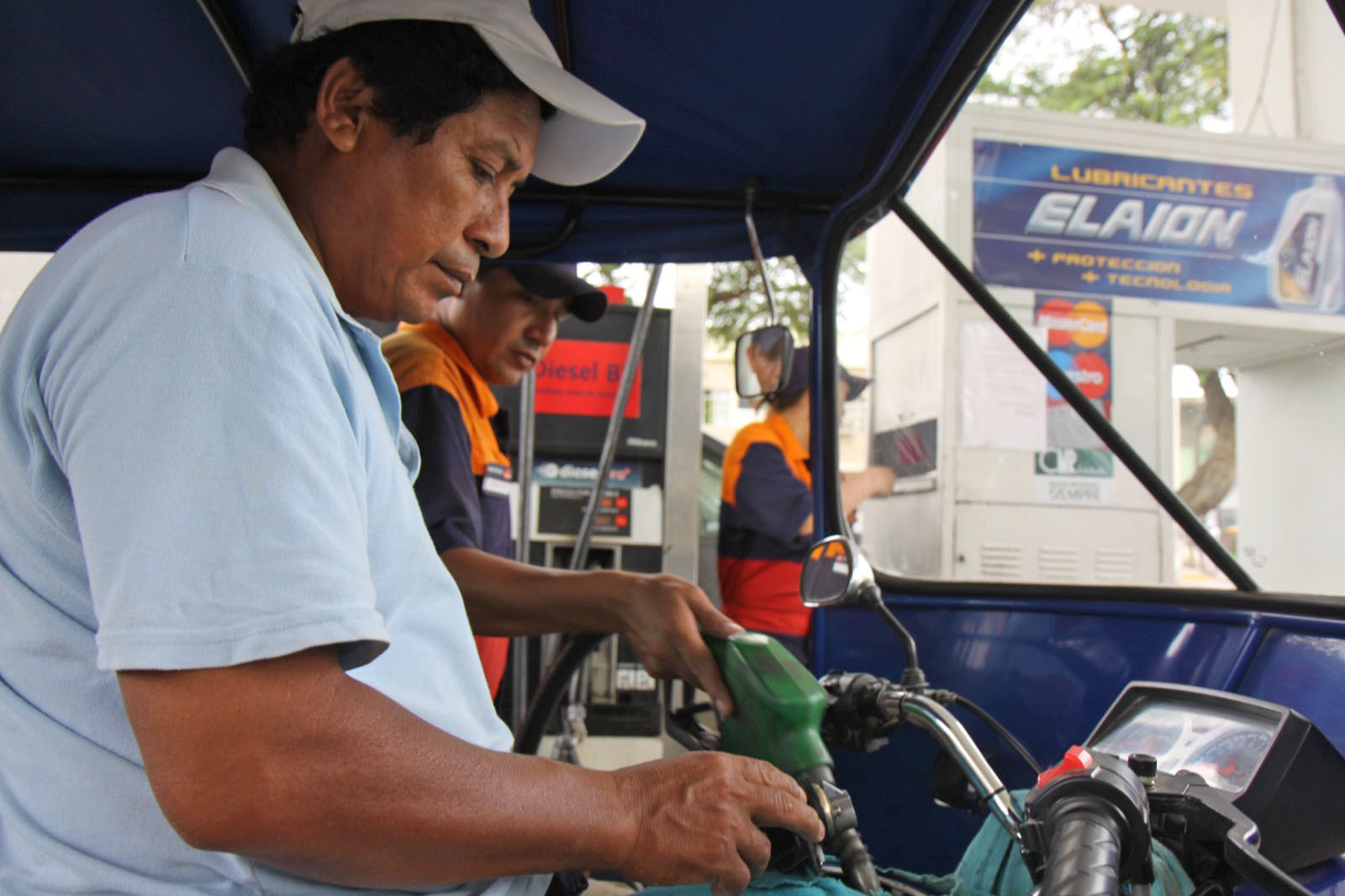
By relaxing this requirement, the MINEM is granting wholesalers the legal flexibility to tap into their mandatory "safety reserves." Essentially, the government is allowing distributors to draw down their stocks to near-zero levels to keep gas stations supplied and vehicles moving. While this increases the risk of a total stockout if the river does not become navigable soon, it is currently the only viable path to avoid an immediate and total halt of economic activity in Loreto.
Official Perspectives and Government Strategy
The Ministry of Energy and Mines has framed this decision not as a deregulation, but as a "transitory and exceptional" measure.
Commitment to Stability
In official statements, MINEM leadership emphasized that the priority is the "stability of the energy supply." By facilitating the availability of fuel at local service stations, the government aims to prevent inflationary spikes in transport costs, which would disproportionately affect the cost of food and basic goods in Iquitos.
Monitoring and Compliance
The DGH has reiterated that it will continue to evaluate the situation in real-time. This includes:
- Coordination with SENAMHI to track river levels.
- Continuous communication with logistics providers to assess the feasibility of reopening blocked routes.
- Audit procedures to ensure that wholesalers are utilizing the relaxed rules to prioritize public supply rather than hoarding or price-gouging.
Economic and Social Implications
The implications of a fuel shortage in Loreto extend far beyond the inconvenience of long lines at gas stations. The region’s economy is deeply intertwined with the mobility of its people and goods.
Impact on Logistics and Commerce
With a 75% reduction in transport capacity, the cost of moving goods from the coast to the interior has risen. If fuel stocks at the Iquitos plant had been allowed to deplete completely, the following consequences were projected:
- Public Transport Collapse: A halt in bus and mototaxi services, which are the primary modes of transport for the population.
- Food Security: Increased difficulty in transporting perishable goods from river ports to local markets.
- Essential Services: Potential disruptions to the operation of power generators that rely on diesel or gasoline in remote jungle communities.
Strengthening Energy Security
This crisis highlights the urgent need for a more resilient energy infrastructure in the Amazon. While the current measures serve as a "stop-gap," the broader conversation regarding the construction of long-term storage facilities and the diversification of transport methods remains a priority for regional authorities and the national government.
Future Outlook: Navigating the Uncertainty
As of mid-September 2026, the situation remains fluid. The effectiveness of the government’s intervention will depend heavily on the meteorological patterns in the coming weeks. If the vaciante continues to persist, or if further navigation obstacles occur, the Ministry may be forced to extend the expiration date of the current resolution beyond October 2.
Conclusion
The situation in Loreto serves as a stark reminder of the complexities inherent in managing energy supplies within the Amazon basin. The proactive stance of the MINEM, characterized by the swift implementation of Resolution No. 146-2026, demonstrates a commitment to preventing a socio-economic crisis. By prioritizing the immediate needs of the population over the strict adherence to administrative inventory mandates, the government has provided a necessary cushion for the region.
Moving forward, the focus must shift toward sustainable logistics and the modernization of fuel supply chains. The resilience of the Loreto region depends on its ability to navigate not just the literal waters of the Amazon, but the volatile conditions of global energy demand and local environmental constraints. For now, the "exceptional and transitory" measures remain the primary shield against the threat of an energy-starved Amazon.