The Peruvian Ministry of Transport and Communications (MTC) has launched an ambitious, large-scale infrastructure initiative aimed at dismantling the geographical barriers that have long hindered economic development in the nation’s interior. By deploying a total investment of S/ 1.074 billion, the government is currently executing 19 strategic road and bridge projects across 12 different departments. This massive undertaking is not merely a construction exercise; it represents a lifeline for over 432,000 citizens, promising to integrate isolated communities into the national economy, improve access to essential services, and streamline the logistics of goods across diverse terrains.
The Scope of the Intervention: A Multi-Regional Strategy
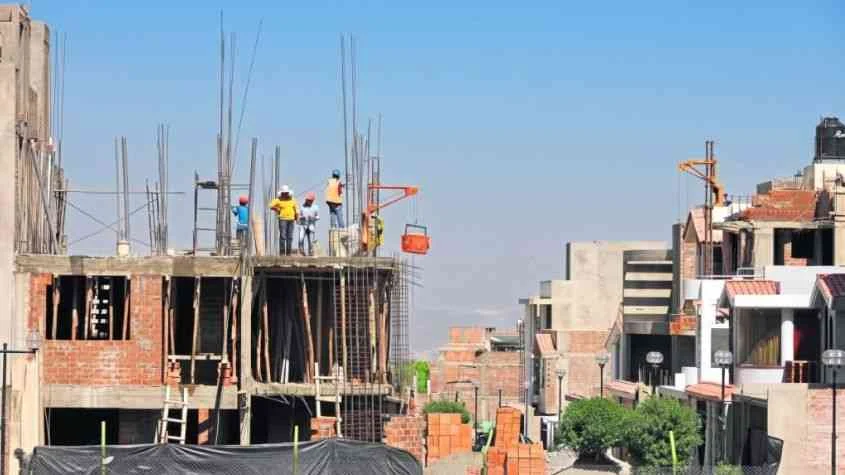
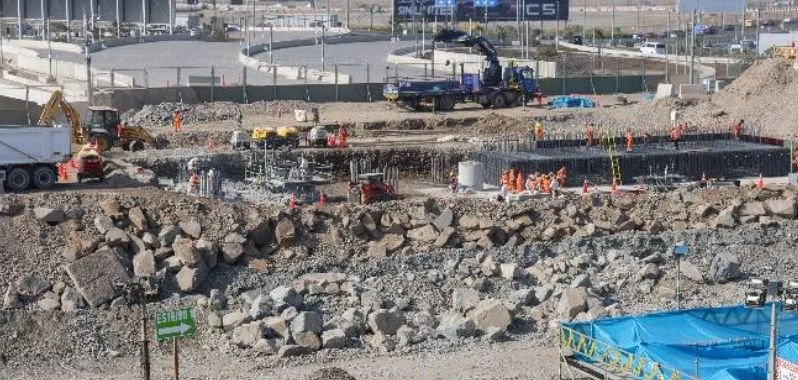
The MTC’s comprehensive plan focuses on two primary categories of infrastructure: the construction and modernization of bridges, and the improvement of road networks. These projects are strategically distributed to ensure that both rural and semi-urban regions, which have historically been neglected, receive the necessary connectivity to thrive.
The portfolio of projects includes eight major bridge structures and 11 critical road improvement works. By focusing on both the connectivity of small, localized networks and larger regional routes, the MTC is addressing the "last mile" problem that often prevents agricultural products from reaching urban markets in a timely and cost-effective manner.
The Role of Bridges in Regional Integration
Bridges serve as the structural backbone of this initiative. With a combined length of 1,140.16 meters, these eight bridges—comprising both modular and permanent structures—are set to revolutionize transit in regions such as Apurímac, San Martín, Arequipa, Lima, Cusco, and La Libertad.

The immediate impact is profound: over 98,000 people will benefit from these structures. Beyond the raw numbers, these bridges mitigate the risks associated with seasonal flooding and difficult geography, ensuring that school children, patients seeking healthcare, and local entrepreneurs have reliable passage throughout the year.
Key Infrastructure Milestones: A Chronology of Progress
Progress across these 19 sites is being monitored with a focus on efficiency and meeting projected deadlines. The following highlights showcase the current trajectory of these critical developments:
- The Tarata Bridge (San Martín): Standing as the flagship project of the current portfolio, the Tarata bridge is a testament to the scale of the MTC’s ambition. Designed to connect the districts of Juanjuí and Pajarillo in the province of Mariscal Cáceres, this 510-meter structure is nearing completion. With an 82% physical progress rate, it stands as a symbol of the progress being made. Upon completion, it will serve 32,500 people, significantly cutting down transit times and boosting the regional economy of San Martín.
- The Picota Bridge (San Martín): Complementing the work in the region, the renovation of the Picota bridge is also well underway, currently recording nearly 60% completion. The simultaneous development of these two major crossings in San Martín highlights a strategic push to create a high-capacity logistics corridor in the eastern part of the country.
- The Quistococha–Zungarococha–Llanchama Road (Loreto): In the Amazonian region of Loreto, connectivity is a significant challenge. The improvement of 11.48 kilometers of road in the district of San Juan Bautista (Maynas province) is currently at a 96% completion rate. This project, which will benefit over 100,000 people, is a prime example of the MTC’s commitment to urban and semi-urban connectivity in the jungle region.
- The Combapata Road (Cusco): In the southern highlands, the improvement of the Combapata road serves as a crucial link for local farmers. With a 78% progress rate and an investment of S/ 50 million, this 25.89-kilometer stretch is set to modernize transit in the province of Canchis.
- The Alcamenca Road (Ayacucho): Serving 1,725 residents in the province of Víctor Fajardo, the 22.53-kilometer improvement project near the Puente Cangallo intersection has reached nearly 70% physical completion.
Economic and Social Implications: Beyond Asphalt and Concrete
The investment of S/ 464 million dedicated specifically to the 11 road projects covers 148.28 kilometers of roads. These are not merely pavement projects; they are catalysts for social mobility. In regions like Loreto, Cusco, Ayacucho, Cajamarca, Tumbes, La Libertad, and San Martín, these roads provide the essential infrastructure to move beyond subsistence-level commerce.
Reducing the "Infrastructural Gap"
Peru’s geography—characterized by the Andes Mountains and the Amazon rainforest—has historically created "pockets of poverty" where the cost of transport renders local production non-competitive. By smoothing out the road network, the MTC is essentially lowering the barrier to entry for local small and medium-sized enterprises (SMEs). When transit times are cut from hours to minutes, the shelf-life of agricultural products is extended, spoilage is reduced, and profit margins for local farmers increase.

Human-Centric Development
The cumulative beneficiary count of 432,000 people is a significant metric, but the human impact is even greater. For residents of rural areas, these roads represent access to:
- Specialized Healthcare: Often located in provincial capitals, reachable only through improved roads.
- Education: Allowing students in remote areas to travel to centralized schools safely and efficiently.
- Emergency Response: In the event of natural disasters or medical emergencies, a paved, stable road can be the difference between life and death.
Official Stance and Administrative Oversight
These initiatives are managed under the stewardship of Provías, the specialized unit within the MTC tasked with the execution of infrastructure projects. The current strategy aligns with the broader governmental objective of decentralization.
In recent press statements, MTC officials have emphasized that the focus is on "closing the infrastructure gap." The administrative philosophy behind these 19 projects is rooted in the idea that public investment must prioritize regions that have been historically underserved. By coordinating with regional and local authorities, the MTC aims to ensure that the completed projects are integrated into a larger national transit plan, rather than functioning as isolated infrastructure islands.
The ministry has also highlighted the importance of transparency in the execution of these funds. With S/ 1.074 billion at stake, rigorous monitoring systems have been implemented to ensure that construction standards are met, materials are sourced according to safety specifications, and deadlines are adhered to despite the challenges of weather and difficult topography.

Future Outlook: Sustaining Momentum
As these projects approach their final stages of completion, the focus will likely shift toward maintenance. Infrastructure decay is a common hurdle in Peru due to the high rainfall and seismic activity of the Andean region. Therefore, the MTC’s commitment to these roads and bridges is the first step of a long-term cycle of maintenance and investment.
The success of the current 19 projects will likely serve as a benchmark for future government spending. If these projects deliver the promised reduction in travel times and the anticipated boost in local trade, it will provide a strong mandate for the continuation of this aggressive infrastructure program.
In conclusion, the current portfolio of works overseen by the MTC is a critical step in the modernization of Peru. By addressing the fundamental need for physical connectivity, the government is laying the groundwork for a more equitable national economy. Whether it is a bridge in San Martín or a road in Loreto, these investments are vital threads in the tapestry of national development, ensuring that no region remains isolated from the progress of the 21st century. Through diligent oversight and a clear vision for regional connectivity, the MTC is not just building roads; it is building a more connected, resilient, and prosperous Peru.