The Peruvian consumer is facing a significant economic blow as the price of sugar—a staple in every household—undergoes a volatile and aggressive surge. In a span of just one month, the cost of this essential commodity has skyrocketed, straining family budgets and creating confusion across the agricultural supply chain. From wholesalers to the small-scale "bodegas" in local neighborhoods, the impact is undeniable, raising urgent questions about market transparency, global commodity dynamics, and the profit distribution between farmers and large-scale industrial processors.
Main Facts: A Sharp Spike in Costs
Data analyzed from the Ministry of Agrarian Development and Irrigation (Midagri) reveals that the surge in sugar prices is not merely a localized fluctuation but a systemic shift occurring across both wholesale and retail channels.
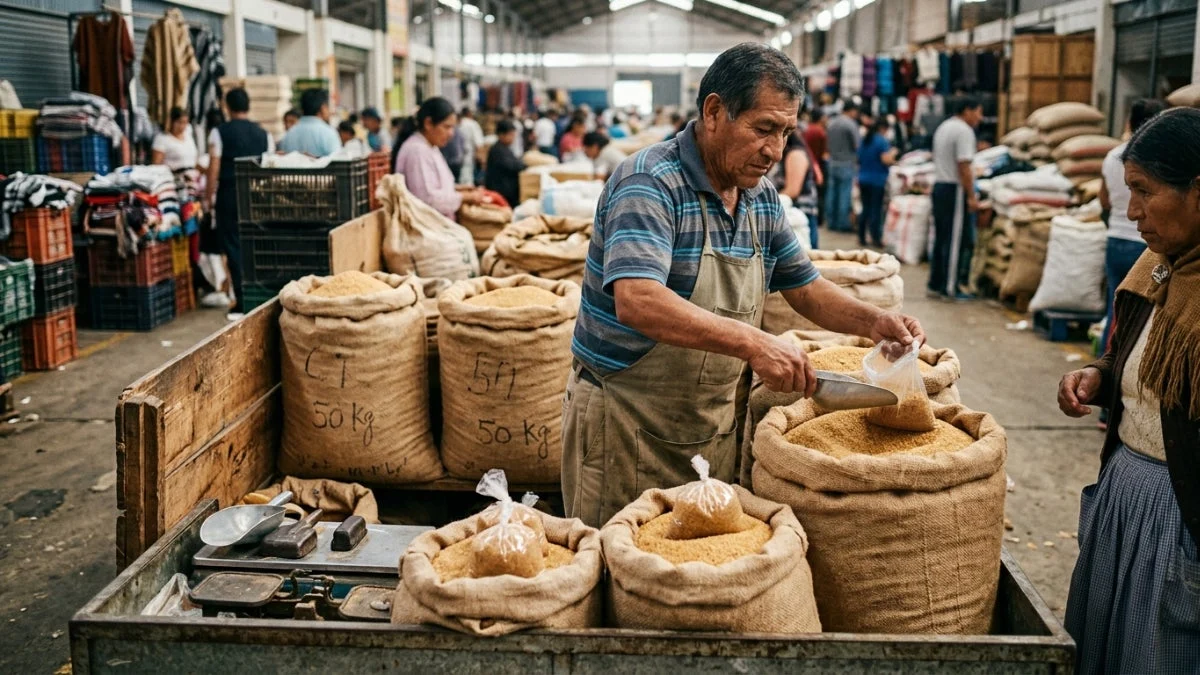
The most alarming increase has been observed in bulk brown sugar. Between August 5 and September 4, the wholesale price of brown sugar jumped by a staggering 45%. Specifically, the cost per kilo surged from S/2.10 to S/3.05. The impact is felt even more acutely when purchasing in bulk; a 50-kilogram sack, which was priced at S/114 just thirty days ago, is now being traded between S/170 and S/190 in various wholesale markets.
This wholesale inflation has inevitably bled into the retail sector. Consumers in Lima and various provinces are now paying roughly 50 centimos more per kilo than they were last month. While white sugar has seen a more moderate trajectory, it has still climbed by 20% at the wholesale level, pushing the price of a 50-kg sack from S/123.50 to S/148.50.
Chronology of the Rise
The timeline of this price hike indicates a rapid acceleration over the last four weeks.
- Early August: Wholesale prices remained relatively stable, with brown sugar hovering around the S/2.10 mark per kilo.
- Mid-August: Merchants began reporting difficulties in acquiring supply at previous rates. The initial whispers of a price correction started circulating in major supply hubs like Santa Anita.
- Late August: The price gap widened significantly. Wholesalers began adjusting their inventories to reflect the rising costs, with the S/114 sack price becoming a memory.
- Early September: The current scenario solidified, with prices hitting the S/170–S/190 range. Commercially, the shift represents an increase of nearly S/56 per sack in less than 30 days, a move that retailers describe as "unprecedented" for this time of year.
Supporting Data: The Disconnect Between Farm and Market
The situation is characterized by a stark disparity between what the end-consumer pays and what the sugarcane producer receives.
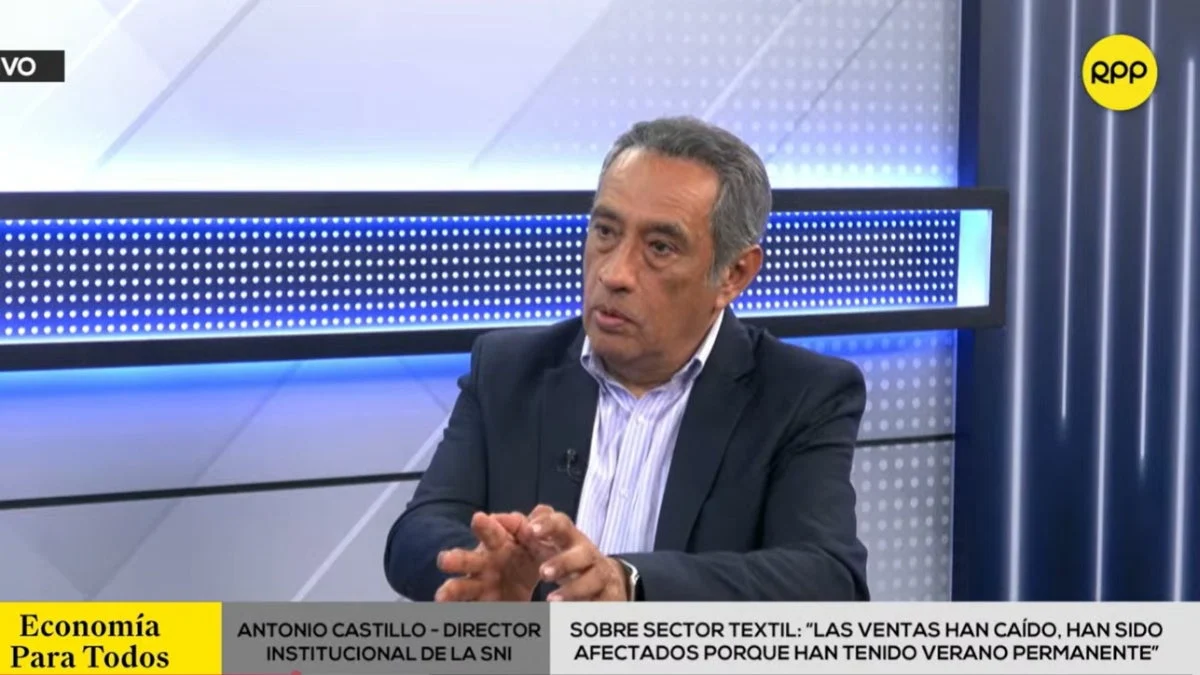
According to Alberto Salinas Barba, president of the Association of Sugarcane Producers, the current farm-gate prices are significantly disconnected from retail realities. Currently, some buyers are offering farmers between S/50 and S/60 per ton of sugarcane.
To put this into perspective, one ton of sugarcane yields approximately 120 kilos of sugar, in addition to byproducts like molasses and bagasse, both of which hold commercial value. If a single 50-kg sack of sugar is now retailing at S/170, the revenue generated from the yield of a single ton of cane is vastly disproportionate to the pittance paid to the farmer. This has led to mounting frustration among growers in regions like Lambayeque, who have begun seeking intervention from the Midagri, arguing that they are not participating in the current profit windfall.
The Role of Global Commodities and Market Concentration
Why is this happening? The answers provided by industry experts and agricultural unions are varied, yet they point to a complex interplay of global and domestic factors.
1. The Global Commodity Benchmark
Luis Cruz Cuadros, general manager of the National Convention of Peruvian Agriculture (Conveagro), explains that sugar is a global commodity. According to the latest FAO report from August, the global food price index reached its highest level since 2022, rising 1.9% in a single month. Within that index, sugar led the pack with an 11.9% increase. While global price movements do not always translate into immediate domestic hikes, they serve as a benchmark for local industrial giants.
2. Market Concentration
A critical factor in the Peruvian market is the high degree of concentration. The Grupo Gloria is estimated to control approximately 80% of the national sugar market. Because of this dominant position, experts suggest that the company’s pricing strategies act as a primary anchor for the rest of the market. When the major player adjusts its prices, the entire supply chain—from distributors to the smallest retailers—follows suit almost immediately.
3. Dispelling the "El Niño" Myth
Contrary to popular belief among some merchants, agricultural leaders have largely dismissed the current El Niño phenomenon as the primary driver of the current price hike. Alberto Salinas Barba noted that, at present, there are no significant disruptions to the current harvest cycle in the northern regions. The cane is ripe, the harvest is proceeding, and there is no physical scarcity of the raw material that would justify a 45% price increase.
Official Responses and Corporate Silence
The public outcry has prompted calls for government oversight, yet concrete answers remain elusive. The Ministry of Agrarian Development and Irrigation (Midagri) has received formal complaints from agricultural associations regarding the price disparity, but regulatory action has yet to be announced.
Furthermore, when asked for comment on the factors driving these price hikes—specifically whether the rise is a reflection of international benchmarks or internal corporate policy—Grupo Gloria did not provide a response by the time of publication. This silence has only fueled speculation among consumers and smaller merchants, who feel trapped between the rising costs of living and a lack of transparency from the industry’s leaders.
Socio-Economic Implications
The implications of this price surge are profound. For the average Peruvian family, sugar is not a luxury; it is a fundamental ingredient in daily nutrition and a primary input for small businesses, such as bakeries, pastry shops, and beverage vendors.
- Inflationary Pressure: As the price of sugar rises, it exerts upward pressure on the broader food basket, potentially contributing to a higher Consumer Price Index (CPI) and eroding the purchasing power of low-income households.
- Small Business Strain: Bakeries and artisanal food producers operate on thin margins. A sudden 50-centavo increase per kilo significantly impacts their operational costs. Many are now forced to choose between absorbing the cost—risking bankruptcy—or passing the increase to the consumer, which risks lower sales volume.
- Public Distrust: The lack of a clear, communicative response from the major market actors creates a vacuum of information, leading to rumors and potential hoarding. When citizens see essential prices jump by nearly 50% without a clear explanation related to supply or production, the sense of economic instability deepens.
Conclusion: A Call for Transparency
The current sugar crisis in Peru is a multi-faceted issue that highlights the vulnerabilities of a market dominated by a single major entity. While global indices provide a backdrop of rising costs, the lack of a clear correlation between the stagnant prices paid to farmers and the skyrocketing prices paid by the public suggests that the problem may be structural.
As the government continues to monitor the situation, the path forward requires a two-pronged approach: an investigation into the transparency of the pricing mechanisms within the sugar industry and a re-evaluation of how profits are shared along the value chain. Until then, Peruvian families will continue to feel the "sugar shock" in their wallets, waiting for a stabilization that remains, for now, out of reach.